Parents seeking gentle, effective relief for baby wind, colic, and gas have a range of UK-friendly options. This guide reviews five popular choices, highlighting what makes each suitable for newborns and infants, plus practical considerations for everyday use. All products are designed to support soothing relief without harsh additives, and several offer sugar-free or alcohol-free formulas. The following sections provide product-specific details and a buying guide to help you choose the best wind relief for your baby.
| Product | Brand | Key Benefit |
|---|---|---|
| Gripe Water, 150ml | KRISP | Natural relief for colic, wind, and gripe |
| Colief Infant Drops (15ml) | Colief | Reduces lactose-related discomfort |
| Nurse Harvey’s Gripe Water 145ml | Nurse Harvey’s | Natural oils for gas and colic relief |
| Frida Baby Windi Gas Passer | Frida Baby | Instant gas relief without ingestion |
| Gripe Water for Babies (150ml) | SterlingSquare | Natural relief with dill seed oil |
Gripe Water For Gentle Relief
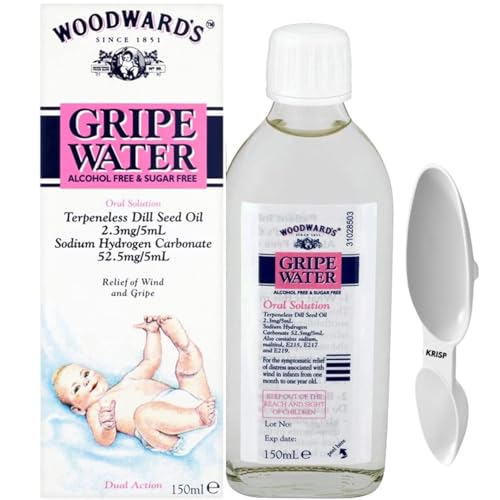
KRISP’s Gripe Water is marketed for natural relief from baby colic, wind, and gripe. The formula is alcohol-free and sugar-free, making it gentle on tiny tummies. Core ingredients include dill seed oil and sodium hydrogen carbonate (baking soda), which are commonly used to soothe digestive discomfort in infants. This product aims to address recurrent wind and crying episodes by supporting digestion and reducing gaseous pressure. Parents should observe dosing guidelines on packaging and monitor for any individual sensitivities. The presence of a double-sided medicine spoon with the package supports measured administration, important for proper dosing in newborns and young babies.
Colief Lactase Drops For Lactose Care

Colief Infant Drops provide a targeted approach to wind relief by supplying lactase enzymes. These enzymes break down lactose in cow’s milk, breast milk, infant formulas, and other dairy sources, helping to reduce lactose-related bloating and crying. The product is positioned as a safe, natural option for babies who are temporarily lactose intolerant or sensitive to dairy residues. Typical usage involves adding a few drops to the baby’s usual milk to make digestion easier. The result can be gentler feeds and calmer intervals between feeds for babies who would otherwise experience digestive discomfort due to undigested lactose.
Nurse Harvey’s Gripe Water For Gas

Nurse Harvey’s Gripe Water combines Dill Oil and Caraway Oil to soothe gas, colic, and general discomfort in babies. The formula avoids sugar, parabens, alcohol, artificial aromas, and colorants, aligning with parents seeking a pure, allergen-conscious option. A notable feature is its design: a specially engineered cap system with a no-spill syringe for precise dosing. This makes administration easier for caregivers, reducing the risk of over- or under-dosing while the product provides gentle relief that supports the baby’s comfort and sleep patterns during episodes of wind and colic.
Frida Windi Gas Passer For Quick Relief

Frida Baby’s Windi Gas Passer is a non-ingestible, all-natural option designed for rapid relief of trapped gas and colic. The device consists of a hollow tube that reaches past the muscle that traps gas, effectively stimulating the sphincter to release gas. It is endorsed by pediatric gastroenterologists for its targeted approach to alleviating discomfort without introducing drops or pills. The Windi is suitable for parents seeking a quick relief method that does not involve feeding changes, making it a practical addition to a newborn’s relief toolkit, especially during sudden bouts of wind.
Gripe Water 150ml Natural Relief

SterlingSquare’s Gripe Water offers another natural relief option featuring dill seed oil and bicarbonate to soothe a baby’s tummy. The product is marketed as suitable for infants and emphasizes a gentle, sugar-free, and alcohol-free formula. It targets colic and wind symptoms by addressing gaseous buildup and digestive discomfort. As with other gripe water products, caregivers should follow dosing guidelines, watch for any adverse reactions, and consider compatibility with any other medications or dietary changes a baby might have. This option presents a standard gripe water approach for families seeking familiar ingredients in a gentle formulation.
Buying Guide: Key Purchase Considerations And Comparisons
When choosing wind relief for babies, consider the following factors to match your baby’s needs and your family’s preferences:
- Active ingredients and purpose: Colief targets lactose digestion; gripe waters use herbal oils and bicarbonate; Windi addresses gas physically. Decide whether you need digestive enzyme support, a soothing blend for gas, or a non-ingestible relief method.
- Age suitability and safety: Check age recommendations and any allergen alerts. For newborns, consider products designed for very young infants and those without added sugar or alcohol.
- Form and administration: Liquid drops, sugar-free formulas, and devices like Windi offer different administration methods. For some parents, a no-spill syringe and measured dosing are crucial for accuracy and ease of use.
- Dietary considerations: Lactase drops suit babies with lactose intolerance or dairy sensitivity; sugar-free formulas reduce additional tummy load. Consider whether the baby’s existing milk or formula should be adjusted.
- Allergen and additive awareness: Review for parabens, artificial colours, and other additives. An allergen-conscious option can be important for sensitive infants or families with allergy histories.
- Practicality and care routines: Some products integrate into milk feeding routines; others function independently for gas relief. Choose according to your feeding plan and daily schedule.
- Consultation and monitoring: If symptoms persist or are accompanied by fever, poor feeding, or dehydration, consult a pediatrician. Some wind or colic symptoms may warrant medical evaluation.
- Alternative approaches: Consider combining gentle infant massage, burping techniques after feeds, or warm compresses as complementary strategies alongside chosen relief products.
In comparing these options, parents should weigh how quickly relief is needed, how the baby tolerates each product, and how it integrates with feeding routines and daily care. The five products highlighted here provide a range of approaches—from digestive enzyme support and natural gripe waters to a gas-passing device—helping families tailor relief to their baby’s comfort and developmental stage. Always follow the product’s dosing instructions and consult healthcare professionals if in doubt about suitability for your child.