When choosing a wallet for bitcoin, the priority is secure offline storage that’s easy to use and access when needed. This guide highlights five wallets that are well-suited for different types of buyers, from beginners seeking straightforward cold storage to advanced users needing multi‑coin support. Each option offers strong offline protection, clear setup, and practical trade-offs. The list also explains who benefits most from each choice and why it’s a solid pick for bitcoin custody today.
| Product | Best For | Why It Stands Out |
|---|---|---|
| TANGEM Pack of 2 – Crypto Wallet | New to crypto, casual storage | Simple tap-to-access keys, no cables, strong back-up options |
| ELLIPAL X Card Crypto Wallet | Offline, seed‑phrase backup users | 100% offline, no batteries, can import existing seeds |
| Ledger Nano X | Multi‑coin portfolio with mobile access | Comprehensive app ecosystem, broad coin support |
| Trezor Safe 3 | Solid security with a clear interface | Secure element, OLED confirmations, thousands of assets |
| Bitcoin Crypto Wallet — Burner Card | Simple, beginner cold storage | Offline, no app or seed phrases required |
TANGEM Crypto Wallet Pack of 2

Best for quick, paperless backups and offline security. This hardware wallet stores private keys inside a tamper-resistant card with military-grade EAL6+ security. It requires no USB cables or Bluetooth, making it a straightforward option for offline storage across 90 blockchains and 14,100+ coins and tokens. A smart backup system lets a second Tangem card restore access, with optional seed phrases for advanced users. Best for users who want robust physical security with simple daily management.
- Pros: Easy single-tap management, no setup hassle, strong key protection inside the chip
- Cons: Limited advanced features compared to full desktop/mobile wallets
Best for: Beginners seeking a simple, highly portable cold storage solution and strong backup options. Limitations include lack of emphasis on seed phrase management for some advanced users.
ELLIPAL X Card Crypto Wallet

Best for users who want a fully offline wallet with seed phrase backup capabilities. The X Card is built to stay offline, with no Bluetooth or USB connections. It can import recovery phrases from other wallets and stores private keys in a secure chip (EAL6+). It acts as a physical twin or backup to an existing bitcoin wallet, NFT wallet, or other crypto holdings, without transferring assets. Ideal for those prioritizing offline operation and seed‑phrase compatibility.
- Pros: True offline operation, seed phrase backup compatibility, no battery or firmware updates needed
- Cons: Setup may be more involved for non-technical users
Best for: Users who want offline-first storage and easy integration with existing wallets. Choose this if you value offline security and seed phrase interoperability; avoid if you require continuous software features or quick mobile access.
Ledger Nano X
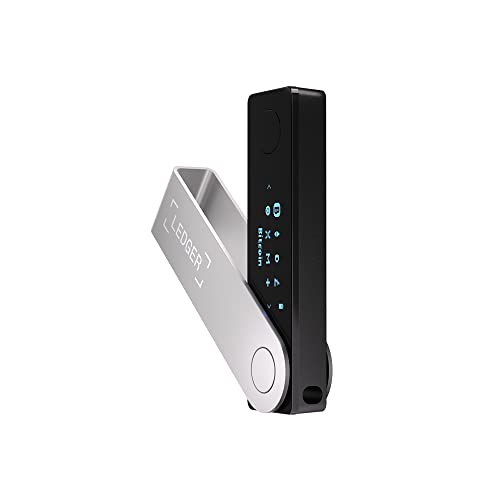
Best for a multi‑coin, mobile‑friendly storage solution. The Ledger Nano X allows you to manage thousands of coins and tokens via the Ledger app, with Bluetooth-enabled access for on‑the‑go usage. It supports buying, selling, swapping, staking, and more from a single dashboard. It’s a strong all‑around pick for users who want broad ecosystem support and a familiar, integrated experience.
- Pros: Broad coin support, user-friendly app, secure backup options
- Cons: Bluetooth introduces a potential attack surface; ensure firmware is kept updated
Best for: Users building a diverse crypto portfolio who want convenient mobile access. Choose this if you need a feature-rich experience; avoid if you prefer strictly offline-only storage.
Trezor Safe 3

Best for transparent, hardware-backed security with a clear on-device confirmation flow. The Safe 3 uses a secure element and a high-resolution OLED screen to confirm transactions, supporting thousands of coins and tokens. It emphasizes a balance of strong security with a user-friendly interface. Quantum-ready architecture adds forward-looking protection for future threats.
- Pros: High-security design, clear transaction confirmations, broad asset support
- Cons: Slightly higher complexity for beginners compared to plug-and-play devices
Best for: Users who want robust security with an easy visual confirmation process. Choose this if you value transparent security; avoid if you need the simplest possible setup.
Bitcoin Crypto Wallet — Burner Card

Best for beginners seeking a straightforward, seed-free offline storage option. This reloadable hardware card stores Bitcoin offline with a dedicated deposit address, avoiding the need for apps, seed phrases, or online exposure. It’s designed for simple storage and gifting, with offline protection from online threats. A practical entry point into cold storage for newcomers.
- Pros: No seed phrase needed, easy loading, offline security
- Cons: Limited to Bitcoin and cold storage use; fewer multi‑coin features
Best for: New users who want a simple, offline Bitcoin solution. Choose this if you prioritize ease of use over multi-asset support; avoid if you need broad coin compatibility or advanced features.
Buying Guide
What should you consider when selecting a bitcoin wallet for cold storage?
- Security level: Look for secure elements (SE) or EAL certifications and tamper-resistant design. The level of protection directly impacts safeguarding private keys.
- Offline operation: A fully offline wallet reduces exposure to online threats. Consider devices that don’t rely on Bluetooth, Wi-Fi, or internet access for key storage.
- Seed phrase vs. backup: Decide whether you want seed phrases, smart backups, or other recovery methods. Seed phrases can provide flexible recovery across devices but require careful handling.
- Coin support: If you hold multiple assets, choose a wallet with broad coin and token support or a clear path to import/export assets.
- Ease of use: For beginners, a straightforward setup and simple daily use matter. For advanced users, look for features like DeFi access, staking, and multi-wallet management.
- Portability: If you travel or store away from home, compact hardware cards or devices with compact form factors can be advantageous.
How to compare these wallets quickly?
- Security architecture: Secure element vs. software-based protection; offline vs. online dependencies.
- Setup complexity: Plug-and-play versus seed import workflows and backup systems.
- Recovery options: Seed phrases, smart backups, or backup keys; ensure you understand the recovery process.
- Future-proofing: Quantum-ready or future-proof security features may matter for long-term holdings.
FAQ
- What is cold storage?
Cold storage keeps private keys offline to minimize online theft risk.
- Is Bluetooth-enabled hardware wallet safe?
Bluetooth adds convenience but introduces potential risk; ensure device firmware is updated and used with caution.
- Should I use a seed phrase?
Seed phrases offer robust recovery but require careful, offline storage and secure handling.
- Can I use multiple wallets for one bitcoin?
Yes, you can split holdings across wallets for redundancy, but manage backups carefully.
- Which wallet is best for beginners?
Wallets with simple setup and clear backup options tend to be easier for newcomers.
- What is a secure element (SE)?
A secure element is a tamper-resistant chip designed to protect private keys from extraction.