Answering the question “what varnish should I use for acrylic paintings?” these top picks offer clear protection, UV resistance, and finish options for a wide range of artists. Best for color-rich finishes, durability, and easy self-leveling application, these products suit students, hobbyists, and professionals alike. Choose based on finish type, drying time, and whether you prefer gloss, satin, or matte protection.
Summary table of selected products:
| Product | Finish | Size | Best For |
|---|---|---|---|
| Liquitex BASICS Gloss Varnish | Gloss | 250 ml | Vibrant final look, mixed finishes available |
| MCTRHG Clear Gloss Varnish | Gloss | Various (as listed) | Crystal-clear, non-yellowing protection |
| Liquitex Professional Satin Varnish | Satin | 237 ml | Soft sheen with archival protection |
| GRANOTONE Clear Coat Varnish | Gloss | 100 ml | High-gloss, crystal-clear finish |
| U.S. Art Supply High Gloss Varnish | Gloss | 32 oz | Large-scale projects with UV protection |
Liquitex BASICS Gloss Varnish, 250ml

Product Highlights: Permanent gloss varnish that protects finished paintings. Gloss finish can be mixed with matte varnish to adjust sheen. Dries to a clear, non-yellowing finish. Best for: artists seeking a bright, high-gloss look with easy blending options. Caution: matte-gloss mixing requires careful testing to achieve the desired final surface.
Clear Acrylic Paint Sealer, High Gloss Varnish
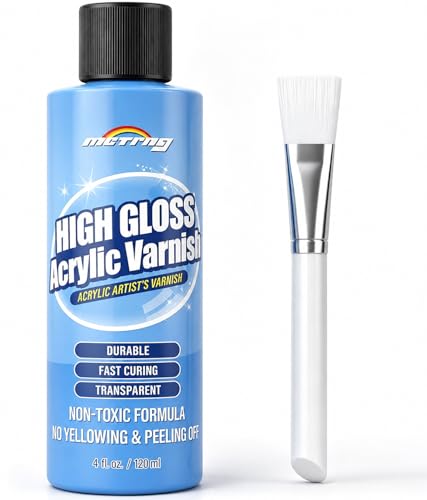
Product Highlights: Crystal-clear wet-look gloss with permanent protection; resists yellowing and UV exposure. Best for: artists wanting a bold reflective shine that enhances color depth without haze. Caution: formula claims self-leveling results, which depends on proper brushing technique and environment.
Liquitex Professional Satin Varnish
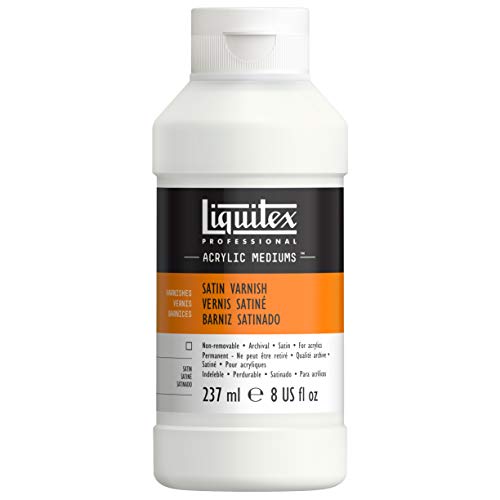
Product Highlights: Archival, permanent, non-removable satin finish. Dries to a non-tacky, hard, flexible surface and remains non-yellowing and water-resistant when dry. Best for: paintings where a softer sheen is preferred without a fully matte appearance. Caution: satin sheen can mute very bright colors slightly compared to gloss.
GRANOTONE Clear Coat Varnish

Product Highlights: High-gloss, artist-grade varnish designed for crystal-clear protection and resistance to yellowing. Best for: glazing and premium finishes on acrylic work to preserve vibrancy. Caution: formulated as a top coat; users with fast-drying paints should apply in a well-ventilated area to avoid dust sticking while still wet.
U.S. Art Supply High Gloss Varnish

Product Highlights: 32 oz professional high gloss acrylic varnish with UV protection. Dries clear to a water-resistant, high-gloss finish. Best for: larger works and projects needing durable, long-lasting gloss protection. Caution: large volume may require longer cure times and careful storage to prevent contamination.
Buying Guide
What finish should you choose? Gloss varnishes maximize color depth and contrast, satin offers a softer look, and matte provides a low-sheen alternative. Consider your painting style and preferred final appearance.
How much varnish do you need? For wall-ready canvases, 250 ml to 473 ml bottles are common for small to medium works; larger pieces benefit from 32 oz options. Always check coverage estimates and recoat frequency.
What about UV protection and yellowing? Look for terms like “non-yellowing” and “UV resistant.” These features help preserve colors over time and reduce color shift in sunlight or indoor lighting.
Is brush technique important? Yes. Use even, quick strokes to minimize brush marks, especially with gloss and self-leveling formulas. Thin coats and drying time between passes improve results.
What about safety and compatibility? Ensure the varnish is designed for acrylics and suitable for your painting surface. Work in a well-ventilated area and follow manufacturer instructions for layering and curing times.
FAQ
What is the difference between gloss and satin varnish?
Gloss provides the brightest colors and a shiny surface, while satin offers a softer sheen with less reflectivity.
Can I mix gloss and matte varnishes?
Yes, you can mix to achieve intermediate sheens, but test on a sample area first to confirm the final look.
How long does varnish take to dry?
Drying times vary by product and environment, but most acrylic varnishes dry tack-free within hours and cure fully over days.
Will varnish protect against UV light?
Many varnishes provide UV resistance or protection; check product specifics to confirm.
Can varnish cause color changes?
Some gloss finishes may slightly deepen colors; testing on a small area helps predict results.
Is this suitable for mixed media?
Most clear acrylic varnishes are suitable, but verify compatibility with any non-acrylic mediums used.