Best value sleeping bags provide reliable warmth, compact design, and durable materials without breaking the bank. This guide highlights five affordable options that suit different needs—from solo hikers to families seeking extra space. Each pick is evaluated for who it’s best for, why it stands out, and potential limitations to consider.
Summary table of chosen products:
| Product | Best For | Temperature Range | Weight | Key Benefit |
|---|---|---|---|---|
| MalloMe Sleeping Bags (Adults & Kids) | Budget-conscious hikers and families | 50°F–77°F | ~3 lbs | Ultralight, kid-friendly colors |
| TETON Celsius Regular (0 Degree) | All-weather warmth seekers | 0°F | Light for its warmth | Double-layer, draft tubes |
| Coleman Dunnock 20°F (Big & Tall) | Tall adults, cold-weather trips | 20°F | Mid-weight | Flannel liner, machine washable |
| BORULL Double Sleeping Bag Queen (2-Person) | Couples and kids sharing a bag | 40°F–65°F (comfort), 30°F limit | Large | 2-person versatility, splits into two bags |
| Coleman Heritage Big & Tall (10°F) | Oversized adults in cold weather | 10°F | Tall-friendly | Holofill insulation, no-snag zipper |
MalloMe Sleeping Bags for Adults & Kids

This MalloMe model targets a broad audience with year-round usability and kid-friendly options. The bag is rated for 50°F to 77°F, making it suitable for mild to cool nights. It fits a 6-foot adult and weighs around 3 pounds, balancing warmth with portability. Its waterproof hex-tech shell and 3D inner synthetic fill boost insulation against moisture and drafts. Best for hikers who want one bag that covers all seasons and for families who need versatile options for kids.
Who it’s best for: solo travelers seeking a compact bag and families needing colorful, kid-friendly gear. Why chosen: strong all-around performance at a reasonable price and a design that adapts to adults and children alike. Caution: not ideal for extreme winter camping beyond the indicated range.
TETON Celsius Regular, 0 Degree Sleeping Bag

This TETON bag emphasizes comfort with a soft poly-flannel lining and ample space to stretch out. It’s designed to keep you warm in chilly conditions through innovative fiber fill and double-layer construction with draft tubes to minimize heat loss. Best for campers who prioritize a plush feel and reliable warmth, especially on cool nights or shoulder-season trips. Caution: may be bulkier to pack compared to ultralight models.
Coleman Dunnock 20°F Big ‘n Tall Sleeping Bag

This Coleman model is designed for adults up to 6’4″ with a 20°F comfort rating. It features a cotton-cover fiberlock construction and a soft cotton flannel liner that adds warmth and coziness. Best for tall sleepers who need extra length and a machine-washable interior. Caution: may be heavier than compact backpacking bags due to the lighter fabric and extra warmth.
BORULL Double Sleeping Bag Queen Size

This oversized two-person bag measures 92″x63″ and unfolds into a camping blanket or splits into two individual bags. It’s best for couples, families, or adults sharing space on car camping trips. The 3-season design handles temperatures from 40°F to 65°F, with a lower limit around 30°F for occasional cooler nights. Caution: not ideal for extreme cold or light backpacking due to its bulk and size.
Coleman Heritage Big & Tall 10°F
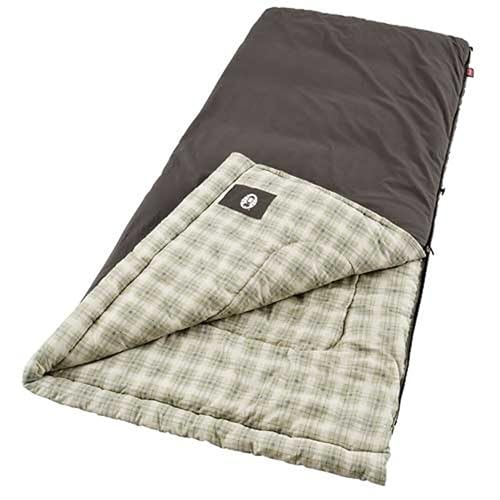
This Coleman Heritage Big & Tall model is designed for adults up to 6’7″ with a 10°F cold-weather rating. It uses Holofill insulation to retain body heat and features a no-snag zipper and FiberLock to prevent insulation shifting. Best for taller campers who need extra length in cold conditions. Caution: bulkier packing profile may reduce backpacking convenience.
Buying Guide: Key Considerations For Value Sleep Systems
What warmth rating do you need? Temperature ratings guide expected comfort in different environments. For milder climates, 50°F–77°F bags offer versatility. For cold nights, look for 20°F or lower ratings with draft protection. Consider how often you’ll camp in cold weather and whether you’ll need extra layers.
Is the bag the right size for you? Individuals over 6 feet tall should prioritize long or XXL cuts and ensure sufficient footbox space. For families and couples, two-person or convertible designs can save space and cost, but packing practicality matters on longer trips.
What about weight and packability? Ultralight designs favor hikers and backpackers who must conserve weight. Heavier bags may provide more insulation and durability, but require larger packs. A compression sack or stuff sack helps reduce volume and improve carry efficiency.
Material and construction: Look for water-resistant shells, durable linings, and reliable zippers. Double-layer constructions and draft tubes help minimize heat loss. For kids, bright colors and kid-friendly features can improve comfort and safety.
Maintenance and durability: Machine-washable liners are convenient for families and frequent campers. Consider how often you’ll need to clean the bag and whether the shell can withstand damp conditions and repeated use.
FAQ
- What is the best value sleeping bag for all-season use? A bag with a mid-range comfort rating (around 50°F–77°F) and a durable shell balances warmth and portability for varied seasons.
- Are two-person sleeping bags worth it for couples? Yes, they save space and allow shared warmth, but ensure you’re comfortable with the size and lack of individual temperature control.
- Should I prioritize weight over warmth? For backpackers, weight matters. For car campers or families, durability and internal space may take precedence over weight.
- How important is a liner and zipper design? A soft liner improves comfort, while snag-free zippers reduce frustration and help maintain insulation.
- Can kids use adult sleeping bags? Yes, but choose bags with kid-friendly colors and sizes, ensuring proper fit and safety during use.
- What is the advantage of a convertible or two-in-one bag? It offers flexibility for different group sizes and camping setups, especially for car camping and indoor sleepovers.