Looking for the best value in OLED TVs combines standout picture quality with a reasonable price. This guide highlights five budget-conscious OLED models that balance performance, features, and price. Ideal buyers include movie lovers seeking cinema-like contrast, gamers who want smooth response, and general viewers chasing deep blacks without paying premium. Below, each product is evaluated for who it’s best for, why it’s selected, and any notable limitations. A quick buying table follows to help you compare at a glance.
| Product | Best For | Why It Stands Out |
|---|---|---|
| LG OLED65C6PUA | Home theater enthusiasts | Bright visuals, Perfect Black, AI upscaling |
| Samsung 77S84F | Large rooms and gaming | Advanced AI processing, 4K clarity |
| LG OLED65B6GUA | Balanced value | AI processing, Dolby Vision/Atmos |
| LG OLED55C6PUA | Compact living rooms | Bright visuals, strong processing |
| Sony XR-48A90K | Premium OLED compact option | Cognitive Processor XR, strong contrast |
LG 65-Inch Class OLED evo AI 4K C6 Series
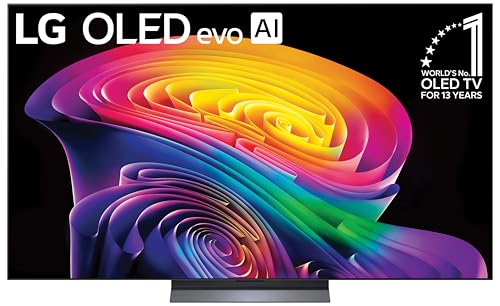
The LG OLED65C6PUA is designed for home cinema fans who want premium OLED picture with AI-driven upscaling. It features Brightness Booster powered by the a11 AI Processor Gen 3, plus Perfect Black and Perfect Color with over 8.3 million self-lit pixels. Best for dark-room viewing and cineasts who value image accuracy and fast processing. A caution: peak brightness may be lower than some LCD TVs in very bright rooms.
Samsung 77-Inch Class OLED S84F Series
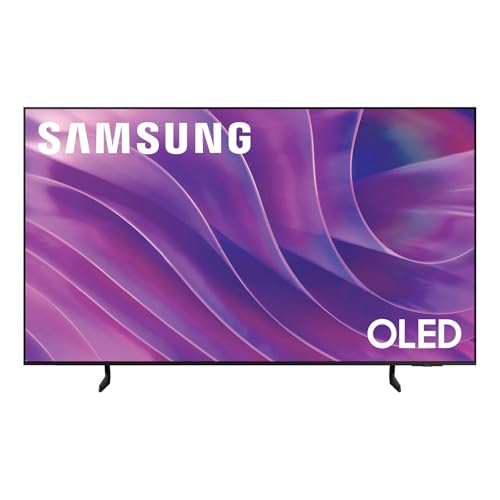
The Samsung S84F 77-inch OLED offers AI-enhanced 4K clarity and optimized sound, making it a strong choice for large living rooms and gaming setups. It emphasizes dynamic brightness and contrast through self-illuminating pixels, with an eye toward delivering vivid HDR content. Best for buyers who want a large OLED with strong AI processing; consider its size if space is limited.
Samsung 65-Inch Class S90H OLED 4K
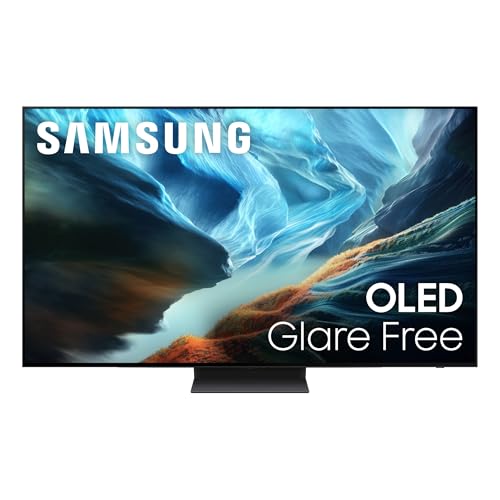
The Samsung S90H OLED 65-inch combines OLED HDR+ with glare-free performance and an AI-driven 128-neural-network processor. It’s best for buyers who value deep blacks and fast, responsive visuals for streaming and gaming. A potential limitation is its mid-range brightness in very sunny rooms, where reflections could impact perceived contrast.
LG 65-Inch Class OLED AI 4K B6 Series

The LG OLED65B6GUA focuses on strong image quality with Perfect Black and Perfect Color, driven by the a8 AI Processor Gen3. It supports Dolby Vision and Dolby Atmos, plus Filmmaker Mode with Ambient Light Technology. Choose this if you want a balanced LG OLED experience with cinematic features at a value position. Caution: some advanced gaming features may be less emphasized than higher-tier models.
LG 55-Inch Class OLED evo AI 4K C6 Series

The LG OLED55C6PUA offers Brightness Booster with the a11 AI Processor Gen 3 and Perfect Black/Perfect Color. This model is well-suited for smaller living spaces or bedrooms where a 55-inch screen provides immersive viewing without overwhelming the room. Best for budget-conscious buyers who still want flagship OLED benefits. Limitation: slightly smaller screen may reduce immersive impact for some setups.
Buying Guide
What should you consider when choosing an OLED value model?
- Screen size vs. room size: Larger screens deliver more cinematic impact but require more space and may cost more.
- Bright room performance: OLEDs excel in contrast, but very bright rooms may benefit from brightness features like Booster; evaluate your lighting.
- Processing power: AI upscaling and motion handling improve everyday content and gaming; look for processors like LG’s a11 or Samsung’s AI engines.
- HDR formats: Dolby Vision and HDR10+ provide richer color; ensure your content and sources support the format you choose.
- Gaming features: Variable refresh rate, low latency, and support for technologies like G-SYNC/FreeSync improve gaming smoothness.
- Smart features and ecosystem: Consider voice assistant compatibility and app availability aligning with your devices.
What is the difference between OLED evo and standard OLED?
OLED evo is LG’s branding for enhanced brightness and efficiency on certain model lines. It aims to deliver brighter highlights with deep blacks, while maintaining OLED’s core benefits: perfect blacks and wide viewing angles.
How important is HDR performance for OLED?
HDR greatly benefits OLED by delivering brighter highlights and more nuanced color in scenes with high dynamic range. Look for models with Dolby Vision support to maximize contrast and color richness.
Is Sony’s XR processor better for OLED than LG or Samsung?
Sony’s Cognitive Processor XR focuses on simulating human perception to optimize detail and contrast. It’s strong for mixed content, though the advantage varies by model and content type. Compare specific processors across models for your use case.
Should I pay more for a larger OLED TV?
A larger screen can enhance immersion, especially for home theater and gaming. However, the price-to-size value depends on the room, seating distance, and budget. Balance screen size with viewing distance and room lighting.
How do I choose between “C” and “S” series OLEDs from LG and Samsung?
LG’s C-series typically emphasizes a balance of picture quality and features, while Samsung’s S-series often prioritizes processing power and gaming features. Consider your priorities: cinema-like color accuracy or high-refresh gaming performance.
What is Filmmaker Mode and why is it useful?
Filmmaker Mode preserves director intent by turning off certain image-processing effects, providing a more authentic viewing experience for movies and original shows.
Are there any notable caveats with OLED value models?
OLED displays are susceptible to image retention if static images linger, though modern models include techniques to mitigate this. Bright-room glare and viewing angles in very bright spaces can also affect perceived picture quality.
Frequently asked questions
- Q: Which OLED model is best for gaming on a budget? A: Look for models with robust AI upscaling, low input lag, and a strong motion processor, such as newer C-series or S-series OLEDs.
- Q: Do OLED TVs need special calibration for best results? A: Basic calibration improves contrast and color; advanced users can apply professional picture settings, but many OLEDs ship with strong default modes.
- Q: Is anti-reflective glare important for OLED? A: Yes, glare-free or glare-reducing features help in bright rooms for better perceived contrast.
- Q: How long does an OLED panel typically last? A: OLED lifespan is generally long for typical consumer use, with no fixed expiration, but wear patterns can occur with static images if left on for extended periods.
- Q: Can I wall-mount OLED TVs safely? A: Yes, most OLED models are designed for wall mounting; follow manufacturer mounting guidelines and use appropriate hardware.