Direct answer: The best underwater cameras for scuba diving combine durable waterproofing, reliable image stabilization, and easy sharing options. This guide highlights five models well-suited for divers, snorkelers, and underwater enthusiasts. The top picks range from budget-friendly action cams to rugged compact cameras, each chosen for water resistance, image quality, and ease of use in underwater contexts. Suitable buyers include casual divers seeking everyday reliability, photographers pursuing crisp 4K footage, and travelers who want compact, all-in-one kits. A concise comparison table follows to help you decide at a glance.
Quick Overview
| Product | Best For | Waterproof Depth | Notable Benefit |
|---|---|---|---|
| AKASO EK7000 | Budget divers and beginners | 131 ft | 4K, EIS stabilization |
| AKASO EK7000 Pro | Advanced hobbyists | 131 ft | Pro-level stabilization, touch screen |
| SeaLife Micro 3.0 | Underwater photographers | unlisted in data | High-end image sensor, RAW options |
| OM System Tough TG-7 | Resilience-focused divers | 50 ft | Rugged design, macro versatility |
| DJI Osmo Action 5 Pro | Vloggers and dynamic shooters | waterproof (underwater use) | Advanced stabilization, low-light |
AKASO EK7000 4K Waterproof Action Camera

The AKASO EK7000 is an entry-level underwater camera designed for divers who want solid 4K footage without a high price. It records 4K at 30fps and 2.7K at 30fps with 20MP photos, and it includes built-in electronic image stabilization (EIS) for steadier videos. It suits new divers, snorkelers, and travelers who value value and a simple user experience. Best for casual underwater exploration where light-weight gear is preferred.
Who it’s best for: beginners or budget-conscious divers who want reliable 4K footage and easy sharing. Why selected: strong core features—4K recording, EIS stabilization, and 131ft waterproof housing—offer dependable underwater performance at a low entry price. Limitation: image quality and low-light performance can lag behind premium models in deeper or shadowed scenes.
AKASO EK7000 Pro 4K Action Camera

The EK7000 Pro builds on the basic EK7000 with enhancements like a touch screen and upgraded stabilization, while maintaining 4K/30fps and 20MP imagery. This model is well-suited for intermediate divers and water sports enthusiasts who want a more intuitive interface and better framing control. Best for divers who want quick framing feedback and smoother footage in action-packed underwater moments.
Who it’s best for: intermediate hobbyists and travel divers who value a more interactive display. Why selected: improved stabilization and a touch screen improve usability in dynamic underwater scenes. Limitation: still a compact action camera, so low-light performance may lag behind dedicated underwater housings for high-end rigs.
SeaLife Micro 3.0 64GB Underwater Camera
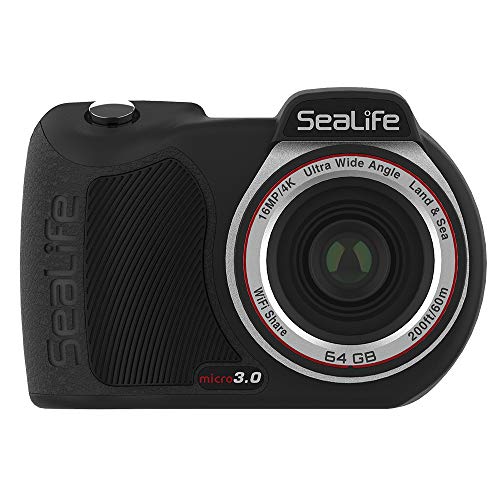
The SeaLife Micro 3.0 is a marine-focused compact camera with a 16MP sensor and 4K 30fps video, plus a 2.4-inch high-resolution LCD for real-time composition. It emphasizes underwater color correction and easy setup, making it a strong choice for serious underwater photographers who want flexible color control and RAW options. Best for divers who prioritize color accuracy and RAW editing potential.
Who it’s best for: underwater photographers and enthusiasts seeking robust color management. Why selected: high-resolution imaging, easy color adjustments, and RAW support for post-processing. Limitation: built-in depth performance details are less explicit, so users should verify compatibility with their preferred housings for deeper dives.
OM System Tough TG-7 Red Underwater Camera

The OM System Tough TG-7 is built for rugged conditions, featuring waterproofing to 50 feet, dustproof, and crushproof construction. It offers advanced macro capabilities, multiple macro modes, and a bright F2.0 lens. This camera is ideal for divers who value reliability in harsh environments, macro underwater shots, and a sturdy, weather-ready design. Best for technical divers or photography-focused travelers who need a tough, all-weather companion.
Who it’s best for: divers who require a rugged camera with strong macro options. Why selected: extreme durability and versatile macro capabilities make it a standout for challenging underwater environments. Limitation: shallower waterproof depth than many action cams, so it’s less suited for deep dives without additional protection.
DJI Osmo Action 5 Pro Essential Combo

The DJI Osmo Action 5 Pro Essential Combo brings pro-grade imaging with a 1/1.3″ sensor, strong dynamic range, and advanced stabilization to underwater and above-water scenes. It emphasizes focused framing, horizon-level stability, and reliable color in variable lighting. Best for divers who want high-quality video with strong stabilization and who also plan to vlog or stream their dives.
Who it’s best for: divers and creators who need robust stabilization and flexible shooting modes. Why selected: top-tier stabilization, dynamic range, and versatile framing features suit action-packed underwater storytelling. Limitation: premium features come with a higher price point and potentially more complex setup.
Buying Guide
What to consider before buying an underwater camera
- Waterproof rating and depth: match the deepest planned dive; check if additional housings are required.
- Image stabilization: essential for handheld footage in choppy water or while swimming.
- Sensor size and image quality: larger sensors usually deliver better color and low-light performance.
- Video resolution and frame rate: 4K at 30fps is common; higher frame rates improve slow-motion underwater footage.
- Color control: cameras with underwater color correction or RAW options support post-processing to maintain natural hues.
- Ease of use: consider touchscreen usability, quick-access controls, and battery life for long dives.
- Accessories and compatibility: bundled cases, floats, mounting options, and spare batteries add value for divers.
- Connectivity: built-in Wi-Fi or Bluetooth helps with quick sharing from the water.
How to choose between models
- Budget vs. performance: entry-level options provide essential capabilities; premium models offer better stabilization, color accuracy, and sensors.
- Depth needs: if you frequently dive deep, choose models with rugged housings or deeper-rated cameras.
- Macro vs. wide-shot focus: macro-friendly bodies are preferable for small reef life; wide-angle is better for landscapes and schools of fish.
- Portability: compact cameras are easier to carry on tropical trips, while bulkier setups may offer more control.
Maintenance and care tips
- Rinse cameras with fresh water after saltwater use and dry thoroughly to prevent corrosion.
- Inspect seals and gaskets regularly to avoid leaks during dives.
- Store with batteries partially charged and avoid high heat to extend life.
- Test cameras in shallow water before deeper dives to confirm operation.
FAQ
- Q: Do underwater cameras require additional housings? A: Some models are waterproof to certain depths and include built-in housings; others may require external housings for deeper dives.
- Q: Is 4K necessary for underwater footage? A: 4K provides crisp detail, but 1080p can be sufficient for casual sharing, especially with strong stabilization.
- Q: Which feature improves underwater color the most? A: Color correction options and RAW capture enable better post-processing of underwater tones.
- Q: What depth can these cameras withstand without housing? A: Depth ratings vary by model; check spec sheets for exact numbers and depth limits.
- Q: Are these cameras good for macro underwater photography? A: Some models offer macro modes and accessories that facilitate close-up shots, while others focus on wide-angle capabilities.