Is tinted sunscreen a good pick for acne-prone skin? Yes. The best options combine mineral or non-comedogenic formulas with a light tint that helps even skin tone without clogging pores. This guide highlights five tinted sunscreens designed for acne-prone or sensitive skin, explaining who they’re best for and why they stand out. The buyer’s table below briefly compares key aspects to help you decide quickly.
| Product | Key Benefit | Best For | Shade Range |
|---|---|---|---|
| EltaMD UV Clear Tinted SPF 46 (1.7 oz) | Oil-free, non-comedogenic, Niacinamide for tone | Acuate-oil or acne-prone skin | Transparent tint |
| CeraVe Tinted Mineral SPF 30 (Medium) | Mineral-based, hydrating with Hyaluronic Acid | All skin types seeking light mineral protection | Medium |
| La Roche-Posay Anthelios Tinted Mineral SPF 50 (Light) | Strong mineral protection, blendable tint | Sensitive and reactive skin | Light |
| Eucerin Sun Age Defense Tinted SPF 50 (2.5 oz) | Antioxidants, hydrating with gentle tint | Daily wear with anti-aging focus | Universal tint |
| EltaMD UV Daily Tinted SPF 40 (1.7 oz) | HYALURONIC ACID hydration, broad spectrum | Dry to combo skin needing moisture | Medium-light |
EltaMD UV Clear Tinted Face Sunscreen SPF 46

Best for: acne-prone, sensitive, and normal skin types seeking a non-greasy finish. This tinted sunscreen uses transparent zinc oxide for broad spectrum SPF 46 and a non-comedogenic formula designed to prevent breakouts while offering gentle Niacinamide for improved tone. Best for daily use under makeup or alone to reduce visibility of blemishes without clogging pores.
Why selected: It combines oil-free texture with a mineral-based shield, making it easier to wear on oily or breakout-prone skin. Caution: It may feel lightweight and require reapplication with sweating or swimming.
CeraVe Tinted Sunscreen for Face Mineral SPF 30 — Medium

Best for: all skin types, including acne-prone or sensitive, who want a sheer mineral tint with hydrating feel. This mineral sunscreen uses iron oxides for a natural tint and includes Hyaluronic Acid to help retain moisture, delivering a non-greasy, comfortable finish.
Why selected: The mineral formula reduces white cast, and the tinted moisturizer approach makes it a practical primer under makeup. Caution: The tint may be subtler on deeper skin tones; choose the shade that best matches your undertone.
CeraVe Tinted Sunscreen for Face Mineral SPF 30 — Light

Best for: light skin tones seeking a sheer mineral tint with a natural glow. The Light shade helps offset white cast while maintaining a breathable, non-greasy feel ideal for acne-prone skin.
Why selected: Similar mineral approach as the Medium version, with a focus on a lighter tint to suit fair complexion. Caution: Shade availability may vary by region.
La Roche-Posay Anthelios Tinted Mineral SPF 50 — Light

Best for: sensitive or reactive skin needing strong mineral protection with a subtle tint. This product emphasizes a lightweight feel and a smooth base for makeup, using Cell-Ox Shield Technology and 100% mineral filters.
Why selected: High SPF with a gentle mineral approach reduces potential irritation while offering a natural tint. Caution: Mineral formulas can sometimes leave a slight whiteness on deeper skin tones without proper blending.
Eucerin Sun Age Defense Tinted SPF 50

Best for: daily wear with anti-aging focus; suitable for all skin types, including acne-prone. It blends a universal tint with antioxidants to support skin health while delivering broad spectrum SPF 50 coverage.
Why selected: The antioxidant blend adds protective benefits beyond sunscreen, and the universal tint reduces the need for additional makeup. Caution: Tint may appear more noticeable on very fair or very dark skin tones; test for blend before full-day wear.
EltaMD UV Daily Tinted SPF 40
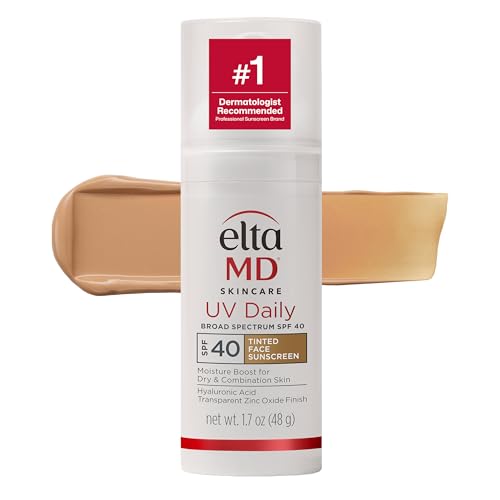
Best for: daily moisturization with sun protection for dry to normal skin types. Hyaluronic Acid helps retain moisture, reducing the appearance of fine lines while providing a tinted, non-whitening finish.
Why selected: Combines hydration and sun protection in a tinted formula, making it a solid choice for those who want a daily moisturizer with coverage. Caution: May feel heavier on very oily skin or in hot climates; consider a lighter option if shine is a concern.
Buying Guide: Key Purchase Considerations
- Skin type and concerns: Acne-prone skin benefits from oil-free or non-comedogenic formulas (e.g., EltaMD UV Clear). For dry skin, look for hydrating components like Hyaluronic Acid (Hyaluronic Acid) or ceramides (as in CeraVe products).
- Sun protection strength: SPF 30–50 covers everyday exposure. Mineral formulas tend to be gentler on sensitive skin, while chemical filters can feel lighter for some users.
- Tint intensity and shade range: Check whether the tint blends with your skin tone. Mineral tinted sunscreens often offset white cast with iron oxides; testers recommended for deeper complexions when possible.
- Finish and wearability: Non-greasy, matte finishes pair well with makeup, while hydrating formulas help reduce dryness but may require blotting in warmer weather.
- Versatility: Some products work as moisturizers or primers in addition to sunscreen, offering multi-tasking benefits for busy routines.
FAQ
- What makes tinted sunscreen good for acne-prone skin? Answer: Non-comedogenic, oil-free or mineral-based formulas reduce the risk of clogged pores while providing sun protection and a light tint to even tone.
- Do tinted moisturizers with SPF replace foundation? Answer: They can substitute for light coverage, but for more coverage you may layer a non-comedogenic foundation on top.
- Is mineral sunscreen better for sensitive skin? Answer: Often yes; mineral filters (zinc oxide, titanium dioxide) are typically gentler and less likely to irritate sensitive or reactive skin.
- Can I wear tinted sunscreen under makeup? Answer: Yes. Many tinted formulas are designed to serve as primers or bases for makeup application.
- How do I choose shade if I have very fair or very deep skin? Answer: Look for products explicitly offering shades labeled as fair/light or deep/medium. If uncertain, test on jawline or ask for color-matching samples when possible.
- How often should I reapply tinted sunscreen? Answer: Reapply every two hours when outdoors, after sweating, swimming, or towel drying, following product-specific guidance.