When choosing a tent for bikepacking, look for ultralight weight, fast setup, and reliable weather protection. The top picks below target solo riders and small crews who want compact packing, quick pitching, and dependable shelter on mixed terrain. This guide highlights five tents that balance portability with interior space, so riders can sleep comfortably after long rides. Each option is suited for different riders—from ultralight soloists to two-person setups with bikes in mind.
Product Comparison at a Glance
| Product | Best For | Weight (Trail/Pack) | Key Benefit |
|---|---|---|---|
| Clostnature 1 Person Tent for Backpacking | Ultra-light solo riders | Trail weight ~1.35 kg / 2.97 lb | Very light, compact pack with easy setup |
| Naturehike Bikepacking 1 Person Tent | Weather-ready solo riders | Lightweight; free-standing design | Waterproof, windproof with quick setup |
| Big Agnes Copper Spur HV UL3 Bikepacking Tent | Bikepackers needing room | Lightweight with two doors and two vestibules | Spacious interior and bike-friendly features |
| Big Agnes Copper Spur HV UL1 Bikepacking Tent | Compact solo trips | Very light with efficient footprint | Excellent for solo riders seeking minimal weight |
| Montiro Wander Hawk 1-2 Person Backpacking Tent | Versatile two-person option | Trail weight around 3 lb 14 oz | Balanced space and portability for bikes and gear |
Clostnature 1 Person Tent for Backpacking

The Clostnature single-person tent is designed for ultralight backpacking and bikepacking. It weighs around 2.97 lb (1.35 kg) in minimum gear form, with a total pack weight near 4 lb. The tent uses a PU 5000-coated rain fly and bathtub-style floor for weather resistance, and factory-sealed seems to keep moisture out in mixed conditions. Best for solo riders who prioritize weight savings and a quick setup after a long day of riding. A potential limitation is the compact interior, which may feel snug for larger gear carries inside the tent.
Naturehike Bikepacking 1 Person Tent

The Naturehike 1-person tent is built for three-season use with waterproof and windproof protection. It uses PU4000mm coated 20D nylon with silicone, and taped seams to keep you dry in rain and damp conditions. Freestanding with two aluminum poles, it’s easy to pitch and pack, and includes a footprint. This tent stands out for riders who ride in variable weather and want a quick, user-friendly setup. It’s best for solo riders needing reliable storm protection without a heavy footprint.
Big Agnes Copper Spur HV UL3 Ultralight Bikepacking Tent

The Copper Spur HV UL3 is designed for bikepackers who want two doors and two vestibules for gear and bikes. It features a 4-way hub design for strength, lightweight nylon double rip-stop fabric for durability, and a DAC Featherlite NSL pole system. The tent packs compactly and offers substantial interior space for a three-season ride. Best for riders who want more room without adding excessive weight, though the extra space comes with a bit more setup time than a strictly ultralight solo model.
Big Agnes Copper Spur HV UL1 Ultralight Bikepacking Tent
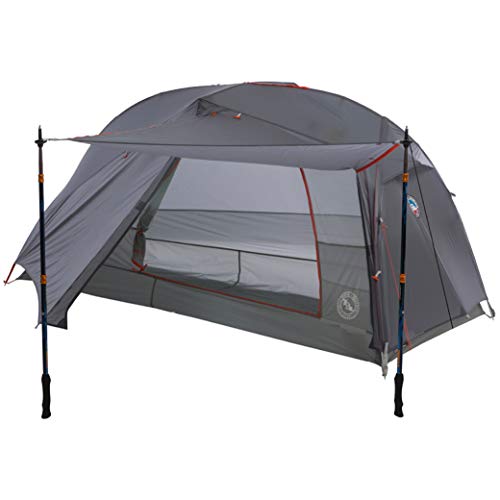
The UL1 version targets solo riders seeking minimal weight with notable bikepack features. It shares the same bike-friendly design language as the UL3 but prioritizes a lighter footprint and compact interior. The two-door, two-vestibule arrangement supports gear storage and bike access, while the tapered pole system supports quick setups. Choose this if you ride solo and want a streamlined, lighter shelter for long-day rides, but be mindful of interior space if you carry a larger pack.
Montiro Wander Hawk 1-2 Person Backpacking Tent
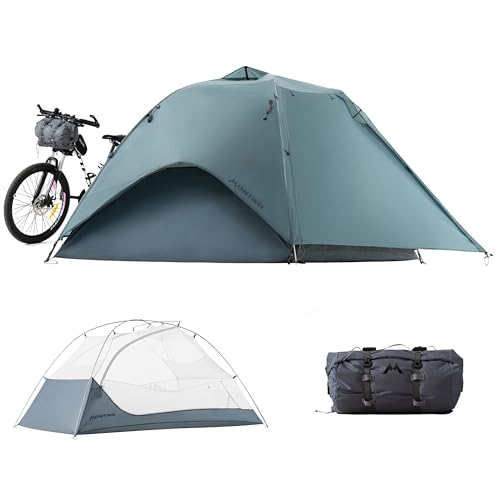
The Wander Hawk offers a versatile 1- to 2-person configuration with a compact trail weight around 3 lb 14 oz and a total package around 5 lb with a footprint. It uses 20D ripstop nylon and 7001 aluminum, delivering a practical balance of space and portability. Best for riders who may switch between solo and two-person setups or need a flexible shelter for longer bikepacking trips, though it may feel tighter for two in bad weather compared with single-person models.
Buying Guide
What to consider when picking a bikepacking tent
- Weight and packability: Aim for a trail weight under 3.5 lb for solo use; for two-person setups, balance space with weight.
- Weather protection: Waterproof ratings, taped seams, and floor bathtub design improve dryness in rain and moisture-heavy climates.
- Pitch and setup: Freestanding designs with aluminum poles speed up pitching and takedown, especially in wind or uneven ground.
- Interior space: Consider headroom and gear storage. Two-door, two-vestibule models offer easier bike access and gear organization.
- Durability: Look for tear-resistant fabrics (ripstop nylon) and robust pole systems that tolerate rough terrain and frequent staking.
- Footprint inclusion: A groundsheet or footprint helps extend tent life and protects against damp or rough ground.
- Seasons and climate: Three-season tents handle sun, wind, and light rain; four-season variants are heavier but support harsher conditions.
Frequently Asked Questions
- Q: Are freestanding tents better for bikepacking? A: Freestanding tents are often preferred for bikepacking because they pitch quickly on varied ground and don’t require staking in all conditions.
- Q: Should I choose a two-door tent for bikepacking? A: Yes, two doors provide convenient entry and better ventilation, plus easier gear access when sharing space with another rider or keeping bikes outside.
- Q: Is a footprint necessary? A: A footprint protects the tent floor and can extend its life on rough or damp surfaces, especially during long trips.
- Q: How important is weight versus space? A: For solo riders, weight is usually the priority; for two-person setups, space and comfort become more important, even if it adds weight.
- Q: Can these tents withstand strong winds? A: Many models use aluminum poles and reinforced seams to improve wind resistance, but setup on stable ground and proper staking remain essential.
- Q: Do all bikepacking tents include rainflies? A: Most three-season and bikepacking tents include rainflies, but it’s good to verify coverage and sealing details in product specs.