When choosing sunscreen for vitiligo, the goal is reliable UVA/UVB protection without leaving a white cast or irritating sensitive skin. The top products below are selected for people with very fair, reactive, or depigmented skin who burn easily and may be more prone to hyperpigmentation. These options balance high protection, skin-friendly formulas, and ease of use for both face and body.
| Product | Best For | Key Benefit |
|---|---|---|
| La Roche-Posay Anthelios Melt-In Milk SPF 100 | Very fair or sun-sensitive skin | Highest SPF for strong protection |
| Neutrogena Ultra Sheer Dry Touch SPF 100+ | Active days with oily skin | Non-greasy, quick-dry finish |
| EltaMD UV Clear SPF 46 (Tinted) | Acne-prone or sensitive skin | Tinted, lightweight with zinc oxide |
| EltaMD UV Daily SPF 40 | Daily use with hydration | Hyaluronic acid for moisture |
| CeraVe Hydrating Mineral SPF 50 Body | Body protection for dry skin | Mineral filters with hydrating formula |
La Roche-Posay Anthelios Melt-In Milk SPF 100

This high-SPF option is designed for face and body, with a melt-in milk texture that absorbs quickly without a heavy feel. It is free from oxybenzone and octinoxate, reducing irritation risk for sensitive skin often associated with vitiligo. Best for: those who want maximum protection against UVA and UVB rays in a non-greasy finish. Limitation: very high SPF may feel slightly heavy if reapplication is frequent in hot weather.
Neutrogena Ultra Sheer Dry Touch SPF 100+
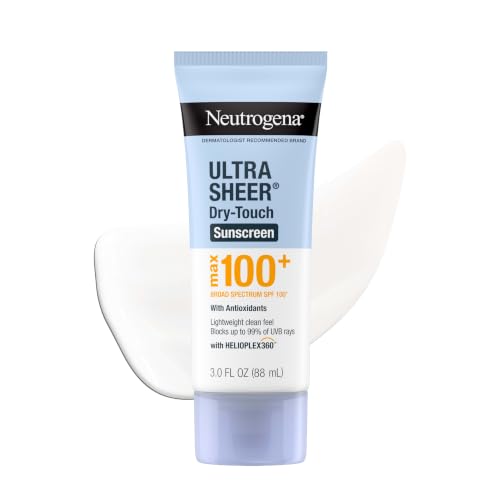
Best for: readers seeking a feather-light feel with strong protection and a non-greasy finish. The Heliopex360 formula combines UVA/UVB protection with antioxidants to help defend against blue light. Caution: product claims of 99% UVB coverage are a general estimate; apply evenly and reapply as directed to maintain protection, especially after sweating or swimming.
EltaMD UV Clear Tint SPF 46

Best for: users with sensitive, acne-prone skin who want light coverage and clarity. This tinted formula uses zinc oxide for broad spectrum protection and includes Niacinamide to help even skin tone. Limitation: tinted finish may not suit those who prefer a completely matte or completely unpigmented look, though it blends well for many skin tones.
EltaMD UV Daily Untinted SPF 40

Best for: daily wear with hydration for dry or combination skin types. This untinted daily moisturizer sunscreen uses zinc oxide and hyaluronic acid to moisturize while delivering broad spectrum protection. Caution: may leave a subtle white cast on very dark skin tones if applied thickly; apply a small amount first and layer gradually as needed.
CeraVe Hydrating Mineral SPF 50 Body

Best for: body protection with a hydrating mineral base. This 100% mineral sunscreen uses zinc oxide and titanium dioxide and is Hawaii-compliant, avoiding oxybenzone. It’s ideal for large areas or sensitive skin on the body. Limitation: mineral sunscreens can require more thorough rubbing to avoid chalky, white cast on very dark skin tones.
La Roche-Posay Anthelios Melt-In Milk SPF 60

Best for: daily use on face and body with a velvety, fast-absorbing texture. This broad spectrum SPF 60 formula features Cell-Ox Shield technology and antioxidant protection. Caution: discuss suitability for very sensitive skin if you have reaction-prone areas, as with any chemical filter formulations.
Supergoop! Unseen Sunscreen SPF 50

Best for: those who want a completely invisible finish that doubles as a makeup primer. This weightless, scentless gel provides broad spectrum protection without a visible residue. Limitation: some users may prefer a tinted option for extra evening-out of skin tone, especially in overcast conditions or under makeup.
Buying Guide: Key Considerations For Vitiligo Skin
- SPF Level: For highly sun-sensitive skin, consider SPF 50–100+. Higher protection reduces UV exposure that can trigger pigment changes.
- Filter Type: Mineral (zinc oxide, titanium dioxide) filters are often gentler on sensitive or reactive skin, while chemical filters may offer lighter textures but can irritate some users.
- Finish And Texture: Look for non-greasy, quick-absorbing formulas to prevent rubbing off when applying makeup or clothing, especially important for vitiligo areas.
- Tinted vs Untinted: Tinted sunscreens can help even skin tone, but ensure a natural look and avoid heavy white residue on depigmented patches.
- Hydration: For dry or normal skin, hydrating bases (with hyaluronic acid or ceramides) help maintain skin comfort throughout the day.
- Body vs Face: Choose water resistance for outdoor activities and consider larger sizes for body coverage if needed.
- Allergens and Sensitivities: Check for fragrance-free options when possible to minimize irritation.
Frequently Asked Questions
- What SPF is best for vitiligo-prone skin? — SPF 50+ provides strong protection; higher SPF like 100 offers extra protection on very sun-sensitive skin, especially during peak sun hours.
- Should I use mineral or chemical sunscreen for vitiligo? — Mineral sunscreens with zinc oxide or titanium dioxide are often favored for sensitive or reactive skin, though many users tolerate well-formulated chemical options too.
- Can tinted sunscreen help with uneven skin tone from vitiligo? — Yes, tinted sunscreens can provide a subtle color correction and reduce visible contrast between depigmented patches and surrounding skin.
- How often should I reapply sunscreen if I’m outdoors all day? — Reapply every two hours or after swimming, sweating, or towel drying, regardless of SPF level.
- Is it okay to use sunscreen on the lips? — Use a lip sunscreen or SPF-containing lip balm to protect the lips, as they are also prone to sun damage.
- Do I need sunscreen on cloudy days? — Yes. Up to 80% of UV rays can penetrate clouds, so daily protection remains advisable.