Hyperpigmentation can be aggravated by sun exposure, making the right sunscreen essential in a balanced skincare routine. The products below are formulated to protect skin from UVA/UVB rays, help prevent dark spots, and support an even complexion over time. This UK-focused guide covers options suitable for different skin types, sensitivities, and daily wear. Read on to compare features, textures, and benefits to find the best everyday protection.
| Product | Brand | SPF / Type | Key Benefit |
|---|---|---|---|
| Eucerin Sun Face Pigment Control Sun Fluid SPF 50+ | Eucerin | SPF 50+, UVA/UVB, HEVIS light defence | Reduces and prevents sun-induced dark spots |
| La Roche-Posay Anthelios UVMune 400 Ultra-Light Invisible Fluid SPF50+ | La Roche-Posay | SPF 50+, water/sweat/sand resistant | Lightweight, suitable for sensitive skin |
| The INKEY List Polyglutamic Acid Dewy Sunscreen SPF 30 | The INKEY List | SPF 30, UVA/UVB | Hydrating, non-greasy daily protection |
| RoC Soleil Protect SPF50 | RoC | SPF 50, UVA/UVB | Brightening with vitamin C for tone unification |
| Dermatica SPF 50 Photodamage Defence | Dermatica | SPF 50, UVA/UVB | Anti-ageing, anti-pigmentation, fragrance-free |
Each product below is evaluated for its suitability in managing pigmentation concerns while delivering reliable sun protection. The sections focus on practical usage, skin compatibility, and notable features, helping you choose a sunscreen that fits your routine and preferences.
Eucerin Pigment Control Fluid
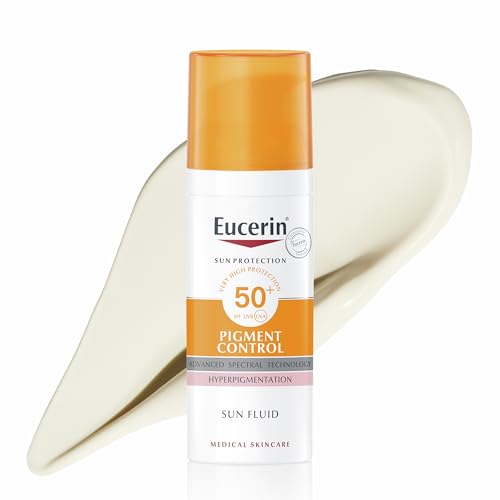
Eucerin Sun Face Pigment Control Sun Fluid SPF 50+ is designed to defend against sun-induced hyperpigmentation. The formula emphasizes a very high UVA/UVB protection level and HEVIS light defence, which can be important for skin exposed to light pollutants and visible light. The texture is described as light and fast-absorbing, making it suitable for all skin types, including sensitive skin, and it aims to leave no sticky residue. This product targets dark spots by both blocking sun exposure and helping to prevent new pigmentation from forming, supporting a more even complexion over time. For daily wear, it can be layered under makeup as part of a broad skincare routine.
Features referenced include Advanced Spectral Technology, broad UVA/UVB coverage, and a gentle, non-greasy feel. The product is suitable for a range of skin types, including sensitive skin, and it has a formulation approach that prioritises both protection and comfort in everyday use. While not a miracle cure, it provides strong protection against photoageing and pigmentation triggers in a daily routine aimed at managing hyperpigmentation.
La Roche-Posay Fluid SPF 50+

La Roche-Posay Anthelios UVMune 400 Ultra-Light Invisible Fluid provides a non-perfumed, ultra-light experience suitable for sensitive skin. It adheres well around the eyes and features anti-eye-stinging properties, making it practical for daily use. The product is highly resistant to water, sweat, and sand—beneficial for active days outdoors. SPF 50+ protection helps shield skin from UVA/UVB damage that can contribute to pigmentation changes, while the invisible fluid texture helps prevent a white cast and keeps application discreet under makeup or in natural look skin routines.
Key advantages include comfort, high protection, and suitability for sensitive skin. The formula supports a weightless finish while maintaining reliable sun defence, which aligns with a pigmentation-conscious routine that requires consistent daily protection.
INKEY List Dewy Sunscreen SPF 30

The INKEY List Polyglutamic Acid Dewy Sunscreen SPF 30 is positioned as a daily primer that protects skin and prepares it for makeup. It includes 8% hydration boosters—polyglutamic acid, glycerin, and squalane—to lock in moisture and deliver a dewy finish. The product is described as lightweight and non-greasy, making it suitable for all skin types, including sensitive skin. It aims to provide broad-spectrum UVA/UVB protection while ensuring the skin remains hydrated, which is important for preventing dryness-related texture changes that could accentuate pigmentation. Fragrance-free formulas are a plus for sensitive individuals and those prone to irritation.
Usage considerations include layering under makeup, the potential for a radiant finish, and the balance between hydration and sun protection. The product’s vegan and dermatologically tested notes support a broad audience seeking a daily, gentle sunscreen that still contributes to a more even skin tone by preventing sun-triggered dark spots.
RoC SPF 50 Unifying Fluid

RoC Soleil Protect Sun Cream Unifying Fluid SPF 50 is enriched with vitamin C aimed at reducing brown spots and unifying skin tone for a brighter appearance. The broad-spectrum protection helps shield skin from UVA/UVB rays that contribute to pigmentation and premature ageing. The texture is described as ultra-light and fast-absorbing, leaving a moisturised feel without a white residue, which is particularly advantageous for daily wear on all skin types, including sensitive skin. The product blends well with makeup and suits those seeking a daily step that also targets tone evenness along with protection.
From the pigmentation management perspective, the Vitamin C component contributes to skin brightness and tone balance, while the sunscreen delivers reliable protection, making this a practical choice for daytime routines aimed at reducing the visibility of dark spots over time.
Dermatica Photodamage Defence SPF 50

Dermatica SPF 50 Photodamage Defence Sunscreen is marketed as an anti-ageing and anti-wrinkle option with a fast-absorbing, lightweight cream texture. It’s fragrance-free, which benefits sensitive skin or those seeking products with minimal irritants. The formula aims to protect against UVA/UVB rays that drive ageing and pigmentation, combining hydration with protective properties. The hydrating components, including glycerin, panthenol, and vitamin E, are positioned to support skin resilience and reduce the appearance of fine lines, which can accompany pigmented areas and sun damage.
For longevity and pigmentation concerns, this option emphasizes protection, hydration, and an anti-pigmentation approach, making it a comprehensive choice for those seeking a robust daily sunscreen with added anti-ageing benefits.
Buying Guide
- SPF level and UVA/UVB protection: Look for broad-spectrum formulations with SPF 50+ for stronger day-to-day defense, especially if you have visible pigmentation or are outdoors regularly.
- Texture and finish: If you wear makeup, choose a lightweight, non-greasy, or invisible fluid that leaves no white cast and layers well with other products.
- Sensitive skin considerations: Fragrance-free or minimal irritants help prevent irritation that could worsen pigmentation. Eye-friendly formulas are useful for near-eye application.
- Hydration and skincare synergy: Sunscreens with humectants or emollients (glycerin, squalane, hyaluronic acid) help maintain skin moisture, which supports a smooth texture and can reduce the appearance of dry, pigmented patches.
- Antioxidants and brightening ingredients: Some options include vitamin C or other brighteners that may complement pigmentation goals, but sunscreen should remain the primary protective step.
- Water resistance and daily activity: For outdoor work or sports, water- and sweat-resistant formulations can be advantageous to maintain protection.
- Cost and accessibility: Consider products that fit your budget and daily routine, while ensuring availability in the UK market for consistent use.
Choosing a sunscreen for hyperpigmentation involves balancing protection, skin type compatibility, and the daily habit of reapplication. For best results, apply a broad-spectrum sunscreen every morning, reapply during extended outdoor exposure, and combine with a targeted skincare routine that addresses pigmentation through gentle exfoliation, barrier support, and hydration. If skin concerns persist, consult a dermatologist for personalised advice and potential treatment options that complement sun protection.