Yes, a sunlight alarm clock can wake you gradually with light and sound, aligning your morning with natural rhythms. This guide highlights top options for different sleepers—from heavy sleepers to light sleepers and couples sharing a room. Each product is chosen for how well it simulates sunrise, accommodates dual alarms, and supports natural wake-ups. The table below compares the five picks to help you decide quickly.
| Product | Brand | Best For |
|---|---|---|
| JALL Full-Screen Wake Up Light | JALL | Heavy sleepers seeking full-screen light and integrated sounds |
| Odokee Sunrise Alarm Clock White Noise Machine | Odokee | Budgets shoppers wanting built-in Bluetooth and multiple sounds |
| REACHER Wood Grain Sunrise Alarm Clock | REACHER | Nightlight with 8-color options and wide dimming range |
| Wkzay Sunrise Alarm Clock | Wkzay | Soft wake-up with brightness controls and room-friendly sound options |
| Philips SmartSleep Wake-up Light | Philips | Clinically supported sunrise/sunset with reliable radio and snooze |
JALL Full-Screen Wake Up Light Sunrise Alarm Clock

Best for heavy sleepers who need broad, even light coverage. JALL’s full-screen sunrise simulation brightens gradually over 10–60 minutes, covering the entire front panel for a less jarring wake. It includes 25 natural sounds and FM radio, plus dual alarms with a customizable snooze. Bluetooth sync helps keep accurate time without manual resets. A 76–108 MHz FM radio option can double as an alarm tone without needing a phone. Caution: the feature set is broad, but the brightness and sound levels may be less intuitive if you prefer a minimalistic setup.
Odokee Sunrise Alarm Clock White Noise Machine

Best for people who want a calm, multi-sensory start with strong sleep-aid options. Odokee offers a gradual light ramp before the alarm with 25 soothing sounds, including white, pink, and brown noise, plus natural options. A 5W Bluetooth speaker supports streaming music or podcasts. The 5–60 minute sunrise window pairs with a broad sound library, making it suitable for light sleepers and those who enjoy ambient noise. Limitation: the product relies on Bluetooth for some features; if you must use non-Bluetooth devices, plan accordingly.
REACHER Wood Grain Sunrise Alarm Clock
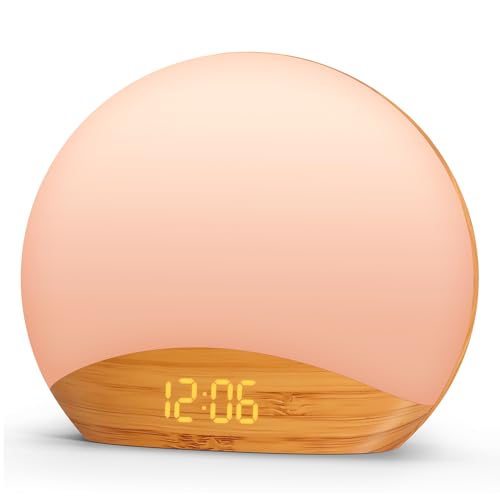
Best for bedroom ambiance and flexible lighting. REACHER’s clock imitates a gentle sunrise from 1% to 100% over 5–60 minutes, accompanied by 26 soothing sounds and a 5–180 minute timer to automatically turn off audio and lights. 0–100% dimmable display and eight night-light colors help tailor brightness for reading or late-night use. Caution: the wide feature set may require a longer initial setup to optimize your preferred wake-up routine.
Wkzay Sunrise Alarm Clock With Sound Machine
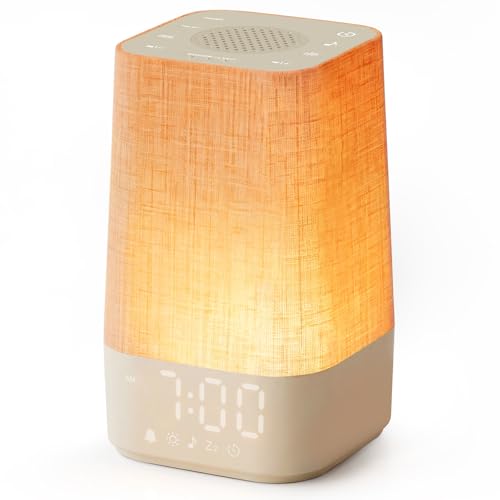
Best for light sleepers who favor a gentle, customizable wake. Wkzay offers 10–60 minute sunrise with 32-level volume adjustments and 13 brightness levels. The soft lighting setup aims to reduce disruption for partners or roommates while maintaining a consistent morning routine. It pairs a calm wake with room-light management to prevent abrupt awakenings. A limitation is that the feature range may require more fiddling to lock in the ideal brightness and volume mix.
Philips SmartSleep Wake-up Light

Best for clinically informed wake routines with sunset and sunrise. Philips offers structured sunrise/sunset simulations and 5 natural sounds plus FM radio. It includes tap snooze and an automatically dimmable display. This model is well-suited for those who want a clinically guided approach and reliable radio as part of the wake process. Limitation: Philips features a premium feel, which may come at a higher price point compared to budget models.
Vivilumens Sunrise Alarm Clock With Sound Machine
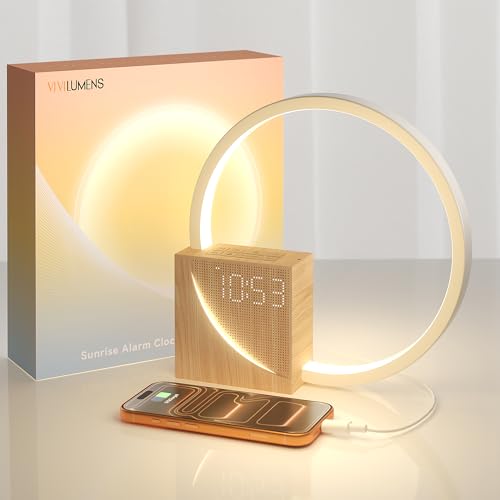
Best for sleepers who want a soothing blend of sunrise visuals and white-noise options. Vivilumens emphasizes a gradual sunrise with 10 soothing sounds and a USB charging port for convenience. The dual-alarm capability helps households with different schedules. Caution: ensure the brightness and sound combinations suit your room size, as larger rooms may require higher brightness settings for optimal effect.
Sunrise Alarm Clock With Sound Machine – Thybro
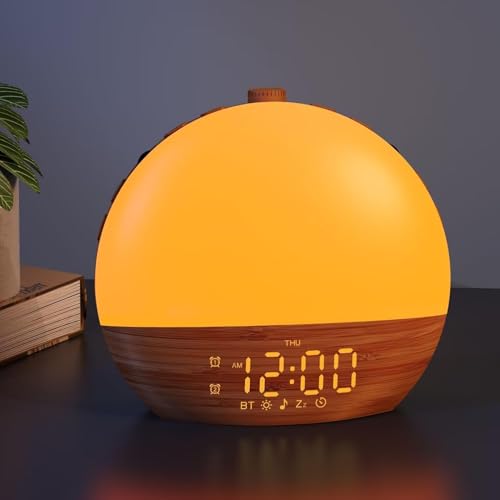
Best for a feature-rich, multi-sensory wake-up. Thybro delivers a 20–30 minute gradual sunrise, Hi-Fi audio with customizable volume and many dimming levels. The device supports a broad range of light and sound adjustments, intended to minimize abrupt awakenings. Caution: marketing-heavy claims about distortion and sleep benefits should be interpreted as feature emphasis rather than clinical outcomes. Choose this if you want deep customization for both wake and wind-down routines.
Buying Guide: Key Purchase Considerations
- Sunrise duration and intensity: Longer sunrise often helps heavy sleepers rise more gradually. Look for adjustable minutes and brightness.
- Sound options: Decide if you want built-in nature sounds, white noise, FM radio, or Bluetooth streaming.
- Alarms and schedules: Dual alarms and weekday/weekend configurations suit shared bedrooms or variable routines.
- Display and night-light: A fully dimmable display and multiple color options reduce eye strain at night.
- Smart features: Bluetooth syncing, USB charging, and sunset simulations can enhance routine consistency.
- Room compatibility: Consider panel size and light distribution if you have a smaller room or heavy blackout curtains.
FAQ
- Do sunlight alarm clocks actually reduce morning grogginess? They aim to ease wakefulness by gradually increasing light, which can help reduce abrupt awakenings for many users.
- Is Bluetooth necessary for these clocks? Not always; several models work with or without Bluetooth for alarms or sounds.
- Can I use these clocks for kids? Yes, many models offer gentle light and soft sounds suitable for children, with adjustable brightness.
- Do these clocks replace traditional alarm clocks? They can, but some people still prefer a backup beeping alarm in case of power or light failures.
- Are there models with sunset modes? Yes, several options support sunset fading to help with sleep onset.
- What should I consider for couples sharing a bed? Look for dual alarms and independent brightness control to avoid disturbing the partner.