Finding a sub 250g drone that fits casual flying, travel, and simple filming needs is easier than ever. The top picks here are lightweight, mostly registration-free for recreational use, and designed for steadier footage with compact design. This guide helps buyers choose between popular models, including 4K camera capabilities, wind resistance, flight time, and ease of use. It’s ideal for first-time pilots, hobbyists, and travelers who want a light, portable drone without sacrificing key filming features.
Quick product snapshot for fast comparison:
- DJI Mini 4K Camera Drone Combo — Best for complete kits and longer flights
- DJI Mini 4K — Best for compact, everyday carry
- SKYROVER X1 — Best for obstacle avoidance and versatile shots
- DJI Mini 3 — Best for true 4K footage in a tiny frame
- DJI Neo — Best for pocketable, controller-free flights
Product Comparison Table
| Product | Key Strengths | Best For |
|---|---|---|
| DJI Mini 4K Camera Drone Combo | 4K camera, 3-axis gimbal, long flight time | Travelers who want a ready-to-fly kit |
| DJI Mini 4K | Ultra-light design, stable footage | Everyday carry with high-quality video |
| SKYROVER X1 Drone | 4K/60fps, 360° obstacle avoidance, long flight time | Outdoor adventures and safer flights |
| DJI Mini 3 | 4K UHD imagery, vertical shooting | Creative social-ready footage |
| DJI Neo | Palm takeoff, controller-free, lightweight | Casual shoots on the go |
DJI Mini 4K Camera Drone Combo

Best for: Travelers who want a complete flying kit. This combo includes multiple features that support extended flights and cinematic footage. The drone weighs under 249 g and offers 4K Ultra HD capture with a 3-axis gimbal for smooth results.
Why selected: It combines a high-quality camera system with a lightweight form and reliable flight characteristics, making it a strong all-around option for beginners and hobbyists.
Caution: Be aware of local airspace rules and always verify registration requirements if flying beyond recreational use limits.
DJI Mini 4K
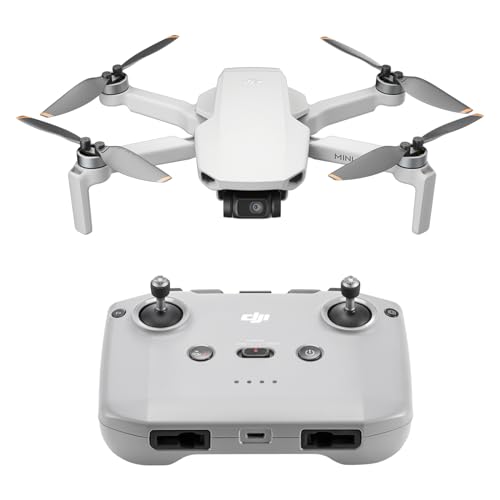
Best for: Everyday carry with 4K capability. This model emphasizes a compact footprint while maintaining strong camera performance in varied light conditions.
Why selected: A streamlined option that emphasizes portability without sacrificing 4K video quality, ideal for quick captures during travel or daily explorations.
Caution: Like all ultra-light drones, smaller frames can be more susceptible to gusts; fly in calm conditions for best results.
DJI Mini 4K Fly More Combo

Best for: Users who want extra endurance and flexibility on longer shoots. This Fly More kit typically adds extra batteries to extend flight time.
Why selected: The extended flight time is beneficial for travelers and content creators who need more capture opportunities without frequent stops to swap power.
Caution: Battery management becomes more important; carry spare batteries in accordance with travel and airline guidelines.
SKYROVER X1 Drone with Camera

Best for: Outdoor enthusiasts who want robust obstacle sensing and reliable video capture. It features 360° obstacle avoidance and a long transmission distance.
Why selected: The 360° sensing helps with confident flights in varied environments, supporting more dynamic aerial shots during hikes or travels.
Caution: Higher feature set may require more setup; ensure firmware updates and GPS alignment before first flights.
Drone with 4K Camera for Adults – B16 GPS Under 250g

Best for: Beginners who prioritize GPS positioning and automatic return features. This model weighs under 249 g and emphasizes safety and stability in outdoor settings.
Why selected: The dual GPS/optical flow positioning provides precise hovering and automatic return functions, helpful for new pilots.
Caution: Indoor GPS functionality is limited; outdoor use is recommended for optimal stability and lock.
Buying Guide
What to consider when choosing a sub 250g drone:
- Registration and flight rules: Most drones under 250 g have reduced regulatory requirements for recreational use, but rules vary by country and activity. Check your local aviation authority for Remote ID and registration rules.
- Camera quality and stabilization: A 4K camera with a 3-axis or better gimbal yields steadier footage in varied lighting. Consider sensor size and HDR capabilities for better dynamic range.
- Flight time and batteries: Sub-250 g models balance portability with modest flight times. Kits with extra batteries extend shooting opportunities but weigh your packing plan.
- Wind handling and propulsion: Brushless motors and wind resistance ratings help maintain stability in outdoor conditions. Higher wind tolerance generally means steadier footage.
- Obstacle avoidance and safety features: 360° sensing, Return-to-Home, and precise GPS positioning reduce crashes and loss risk during flights in unfamiliar areas.
- Portability and carry options: Compact foldable designs fit in a small bag. Consider whether you want a Fly More kit for longer shoots or lighter single-battery travel.
- Intended use: For travel and casual filming, prioritize light weight and ease of use. For hobbyists seeking more cinematic control, 4K quality and advanced stabilization matter more.
Frequently Asked Questions
- Are sub 250g drones legal to fly without registration everywhere?
Regulations vary by country and airspace. In the U.S., recreational pilots should follow FAA guidelines; some models may not require Remote ID for basic hobby flying, but localized rules apply.
- What is the main advantage of a 3-axis gimbal on these drones?
A 3-axis gimbal stabilizes pitch, roll, and yaw to deliver smoother footage, especially during movement or in windy conditions.
- Is 4K better for all travelers?
4K offers higher detail and flexibility for cropping in post-production, but it also consumes more storage and may require stronger processing power for editing.
- Should I buy extra batteries?
Yes, if you plan longer shoots or repeated flights, as extended flight time reduces downtime between captures and increases total footage gathered.
- What is the best drone for beginners with safety features?
Models with return-to-home, GPS positioning, and obstacle sensing are typically better for beginners, reducing the risk of loss or crashes during learning.
- Can I fly these indoors?
Indoor flight is possible for some models, but GPS and outdoor stability features are optimized for outdoor use. Check each model’s indoor suitability and local space constraints.