Answering the question many parents ask: which spray sunscreens for kids combine gentle formulas, broad protection, and easy application? The top picks below cover a range of skin types, from sensitive to more active outdoors. They’re chosen for tear-free formulas, mineral or chemical protection, and convenient spray formats that help kids stay sun-safe during play, swimming, and outdoor adventures. Best for families who want quick reapplication, flexibility for body and face, and reliable UVA/UVB coverage.
| Product | Best For | Protection | Notes |
|---|---|---|---|
| Banana Boat Sport Kids SPF 50 (6 oz, 2 Pack) | Active kids with sensitive skin | SPF 50+ | Mild formula; pediatrician tested |
| Coppertone Kids SPF 50 (5.5 oz, Pack of 2) | Family use; easy spraying | Broad Spectrum SPF 50 | Lightweight mist; no dyes or certain chemicals |
| Blue Lizard Kids Mineral SPF 50+ Spray (5 oz) | Mineral protection fans | Zinc oxide mineral | Non-chemical, dermatologist trusted |
| Neutrogena Beach Defense Kids SPF 70 (6.5 oz, 2 Pack) | Water-related activities | SPF 70 | Helioplex technology; fast-absorbing |
| Sun Bum Kids SPF 50 Clear Spray (6 oz) | Clear, easy-to-apply for active kids | SPF 50 (clear) | Water resistant; kid-friendly scent |
Banana Boat Sport Kids Sunscreen Spray SPF 50

Banana Boat Sport Kids SPF 50+ uses PowerStays technology to stay effective on active skin. The formula is described as mild and gentle for kids’ sensitive skin and is pediatrician tested. It sprays on lightweight and absorbs quickly without sting, making it suitable for busy families who need to reapply between activities. Best for: children with sensitive skin or parents seeking a tear-free, quick-absorb spray for active days outdoors. Caution: reapply as needed after swimming or sweating; ensure even coverage for protected areas.
Coppertone Kids Sunscreen SPF 50 (Pack of 2)
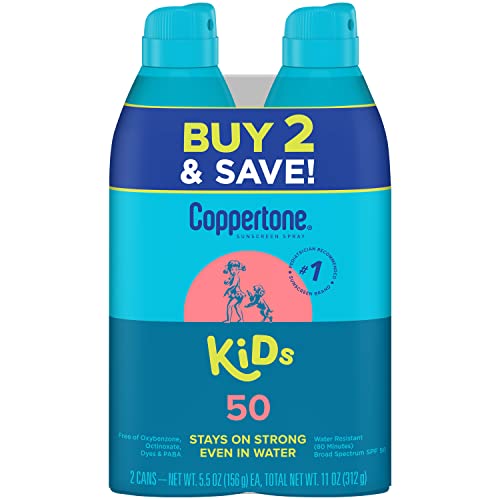
Coppertone Kids SPF 50 is marketed as lightweight and easy to spray, with UVA/UVB broad-spectrum protection. The formula is dermatologically tested and formulated without dyes, PABA, octinoxate, or oxybenzone. Best for: households that want a straightforward spray for quick coverage on kids. Choose this if you value a pediatrician-recommended brand and minimal additives. Caution: those with sensitive skin should verify absence of other allergens and test a small area first.
Blue Lizard Kids Mineral Sunscreen Spray SPF 50+

Blue Lizard offers a zinc oxide mineral protection spray designed for kids, with broad-spectrum coverage and water resistance. The mineral formula avoids chemical actives and rubs in clear, providing a non-greasy feel. Best for: families seeking mineral-based sun protection and a product trusted by dermatologists for over 20 years. Caution: mineral sprays can sometimes require more effort to rub in fully for a transparent finish, especially on very fair skin.
Neutrogena Beach Defense Kids SPF 70 Spray

Neutrogena Beach Defense Kids SPF 70 combines fast absorption with high protection. It uses Helioplex technology for broad-spectrum UVA/UVB defense and is designed to be lightweight and easy to apply, reducing delays for kids to return to play. Best for: families who want robust protection during water activities or long sunny days. Caution: higher SPF sprays may still require reapplication every two hours or after swimming or towel drying as per directions.
Sun Bum Kids SPF 50 Clear Sunscreen Spray

Sun Bum Kids SPF 50 Clear Spray provides a transparent finish that rubs in easily, with water resistance and a candy-shop-like scent that kids may enjoy. The formula is formulated to be clear on skin, avoiding a white cast. Best for: families wanting a clean, non-greasy finish and fragrance-free after application. Caution: spray away from face when applying; avoid direct inhalation and apply in a well-ventilated area.
Buying Guide: How To Choose The Right Kids Spray Sunscreen
- Active outdoor routines: If your child loves water sports or running around outdoors, look for water resistance (80 minutes is common) and easy reapplication.
- Skin type: For sensitive or reactive skin, consider mineral (zinc oxide) formulas or fragrance-free options. Avoid dyes and certain chemical filters if sensitivities exist.
- Coverage philosophy: Mineral sunscreens tend to rub in slower but offer robust protection without chemical actives. Chemical sprays often apply quicker but may require more thorough rubbing to ensure even coverage.
- Application practicality: For younger kids, a non-tear-free spray or a mist that’s easy to control helps reduce stress during application. Face application can be challenging; choose products with clear directions for facial use.
- Scent and feel: Some kids prefer a light scent or a drier, non-greasy finish. If fragrance sensitivity is a concern, check product notes and ingredients carefully.
- Allergies and additives: Review ingredient lists for common allergens. Some brands advertise being vegan, reef-friendly, or free from oxybenzone, octinoxate, and parabens.
Frequently Asked Questions
- What SPF level is best for kids?
SPF 50 or higher is typically recommended for extended outdoor activity, with water resistance suitable for swimming or sweating.
- Are mineral sprays better for sensitive skin?
Mineral (zinc oxide) sprays are often gentler for sensitive skin since they don’t rely on chemical filters.
- How often should kids reapply sunscreen?
Reapply every two hours or after swimming, sweating, or towel drying, following the product’s instructions.
- Can I use sunscreen on the face and body?
Yes, most sprays are formulated for both face and body, but avoid direct face spraying; apply to hands and then spread on the face.
- Is a higher SPF necessary for babies?
For infants under six months, consult a pediatrician; for older babies and children, SPF 50+ is generally advised for protection.
- What should I consider when choosing a spray sunscreen?
Look for broad-spectrum protection, water resistance, skin sensitivity notes, and whether the formula is mineral or chemical based to match your family’s needs.