Answering the common buyer question, these spot treatments target individual pimples quickly while fitting into a daily skincare routine. They are best for people dealing with occasional breakouts, as well as those with oily or acne-prone skin seeking fast reduction in size and redness. The top five selections here are chosen for clear ingredient rationale, ease of use, and potential effectiveness across varied skin types. The following quick-reference table highlights who each product suits best.
| Product | Best For | Why Pick It |
|---|---|---|
| Neutrogena Rapid Clear Stubborn Acne Spot Treatment Gel | Stubborn pimples | High 10% benzoyl peroxide for fast action |
| AcneFree Terminator 10 Acne Spot Treatment | Severe or persistent acne | Maximum strength 10% benzoyl peroxide |
| Neutrogena On-The-Spot Acne Spot Treatment Cream | Daily, lighter use | Gentle 2.5% benzoyl peroxide, lightweight |
| La Roche-Posay Effaclar Salicylic Acid Treatment | Oil-prone, pore-clogged skin | Salicylic acid with Niacinamide and Procerad |
| Differin Acne Spot Treatment | Quick reduction with strong therapy | 10% benzoyl peroxide, multi-action |
Neutrogena Rapid Clear Stubborn Acne Spot Treatment Gel

This treatment uses 10% benzoyl peroxide to penetrate pores and rapidly target stubborn pimples. It is designed for daily morning and evening use to maintain ongoing improvement for acne-prone facial skin. Best for those who need a strong, fast-acting spot treatment without a prescription. Caution: higher benzoyl peroxide may cause dryness in dry or sensitive skin; consider patch testing first.
AcneFree Terminator 10 Acne Spot Treatment
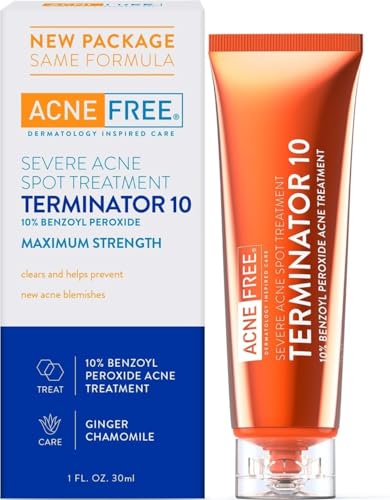
This is a dermatologist-developed maximum-strength spot treatment with 10% benzoyl peroxide. It targets severe acne and helps prevent new breakouts. It is oil-free and fragrance-free, making it a viable option for sensitive or oily complexions. Best for users needing a potent, non-irritating solution, but may require buffering for very dry skin.
Neutrogena On-The-Spot Acne Spot Treatment Cream
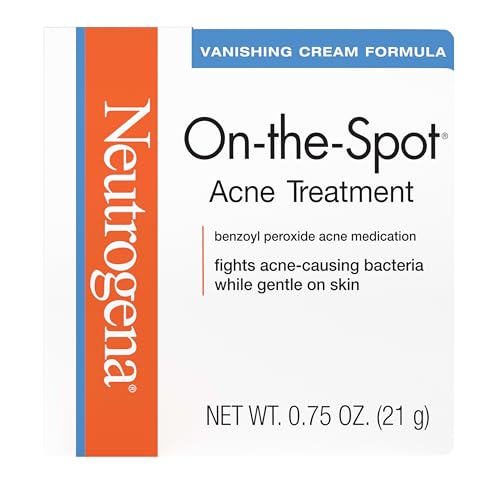
This spot treatment uses a gentler 2.5% benzoyl peroxide formula with a vanishing cream texture that absorbs quickly and remains invisible. It supports daily use for typical acne-prone or dry skin and is notable for minimizing over-drying. Best for users who want a discreet, daily-use option with reliable pore penetration and fast-acting effects.
La Roche-Posay Effaclar Salicylic Acid Treatment

This targeted salicylic acid spot treatment penetrates deeply to address blemishes and prevent new breakouts. It includes Niacinamide and Procerad to help protect against post-acne marks and refine skin texture. It is best for users with oily or combination skin who want visible improvements in under a day, and it supports longer-term clarity over weeks. Limitation: results can vary by skin sensitivity to salicylic acid.
Differin Acne Spot Treatment

Max-strength 10% benzoyl peroxide provides rapid reduction in size and redness after a single use. It functions as a four-in-one treatment addressing imperfections, preventing new acne, targeting bacteria, and improving skin texture. It suits users who need a decisive boost against visible breakouts, though those with sensitive or very dry skin should use cautiously and monitor irritation.
Buying Guide: Spot Treatments for Acne
Key considerations help select the right product for different skin types and acne patterns. Focus on active ingredients, concentration, skin sensitivity, and usage frequency. For stubborn pimples, higher benzoyl peroxide concentrations can work faster but may cause drying; salicylic acid helps with pore unclogging and oil control, often with fewer dryness concerns. Choose oil-free formulas if you have oily skin; fragrance-free options suit sensitive skin. Consider layering with a gentle cleanser and moisturizer to minimize irritation.
What ingredient should I prioritize?
If you need rapid reduction of a single pimple, benzoyl peroxide spot treatments are effective. For more occasional blemishes and oil control, salicylic acid can be gentler and help prevent future breakouts. Niacinamide or calming extracts can reduce post-inflammatory marks over time.
How often should I apply these products?
Most spot treatments are applied once or twice daily to affected areas. Start with once daily and increase if your skin tolerates it. If you experience excessive drying or irritation, reduce frequency or switch to a lower concentration.
Who should avoid certain formulas?
People with very sensitive or dry skin may want lower concentrations or formulations that emphasize hydration and minimal irritation. Those with very reactive skin should test on a small area first and consider fragrance-free options.
How do I use them with other acne products?
Use a gentle cleanser, then apply the spot treatment to the affected areas. If you use a moisturizer or sunscreen, apply after the treatment dries. Avoid layering multiple strong actives in one area to reduce irritation; alternate days if needed.
How quickly will I see results?
Visible improvements can occur within a day to a few weeks, depending on the product and skin type. Some formulas report reduced redness or size within hours, while others show gradual improvement with continued use.
FAQ
- What is the best spot treatment for stubborn pimples? – A formulation with a high benzoyl peroxide concentration (e.g., 10%) can be effective for stubborn pimples, but patch testing and skin compatibility are important.
- Are salicylic acid spot treatments suitable for all skin types? – They work well for oily and combination skin, helping unclog pores, but may cause dryness for very dry or sensitive skin.
- Can I use spot treatments on all facial areas? – Generally yes, but avoid sensitive areas like around the eyes. Follow product directions for any area-specific warnings.
- Do these products require a prescription? – Most listed spot treatments are OTC and do not require a prescription; consult a dermatologist if acne is severe or persistent.
- Should I use moisturizer with spot treatments? – Yes, to support skin barrier and reduce dryness; choose non-comedogenic moisturizers compatible with acne products.
- When should I switch products? – If irritation, excessive dryness, or no improvement after several weeks, consider trying a different active or consult a clinician.