Answer: For campervans, high-efficiency, compact, and durable solar panels that tolerate roof movement and shade are essential. Top picks include high-efficiency N-Type panels, bifacial designs for extra power, and portable options for flexible setups. This guide highlights five panels well suited for RV, van life, and off-grid use, with buyer-friendly notes on who each is best for and potential limitations.
Summary at a glance: the five evaluated products below are chosen for campervan use, focusing on efficiency, size, and reliability. The table below compares key points to help quick decisions.
| Product | Best For | Key Benefit | Notable Limitation |
|---|---|---|---|
| HQST 400W Solar Panel | Medium-to-large campervans | High efficiency, long life with 30-year service expectation | Requires adequate roof space |
| Callsun N-Type 16BB 400W | RVs, vans needing reliability | Bifacial, anti-shade, high efficiency | Heavier due to dual-module build |
| Callsun N-Type 16BB 200W Bifacial | Smaller vans, limited roof space | Compact bifacial design, shade tolerance | Lower wattage per panel |
| AeternaSol 200W Bifacial | Rigs needing efficiency in tight spaces | 18BB design, IP68 waterproof, bifacial | Premium price tier |
| TWELSEAVAN 200W Portable | Temporary setups, rental vans, or add-on power | Foldable ETFE, multiple ports for charging | Not permanently mounted on roof |
HQST 400W Solar Panel
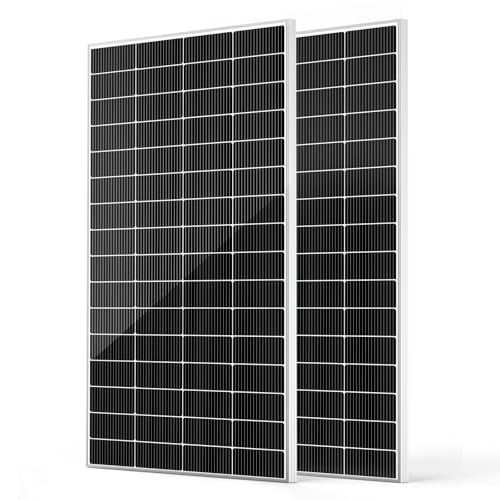
Features: Next-gen N-Type cells with 16BB configuration deliver up to 25.4% efficiency. The panel uses 16BB Grade A+ cells and an anti-reflective coated glass to boost energy capture. It is designed for long-term outdoor use with a corrosion-resistant aluminum frame and EL-tested to minimize hidden defects. The panel’s compact footprint aims to fit on many RV rooftops while delivering strong daytime power.
Best for: Campervans with moderate to ample roof space seeking consistent output and long-term reliability. Why selected: high efficiency and a long service life reduce total system cost over time. Caution: installation requires appropriate mounting hardware and wind-load considerations for your vehicle’s roof.
Callsun N-Type 16BB 400W

Features: Dual 200W modules with N-Type 16BB cells offer up to 25.6% efficiency. The bifacial design captures light from both sides, increasing total energy output by up to 30% under ideal conditions. TwinCell Anti-Shade technology divides the panel into two independent halves, maintaining output when one half is shaded. This panel is built for RV roofs and off-grid usage with stable performance in various conditions.
Best for: Van owners who want high total power with shading tolerance on larger roofs. Why selected: bifacial and anti-shade design maximize harvest when roof orientation or obstructions reduce direct sun. Caution: heavier and may require stronger mounting points and better weight distribution.
Callsun N-Type 16BB 200W Bifacial

Features: 16BB N-Type cells with 25.6% efficiency. Bifacial design with rear-side energy capture and a dual-module parallel layout that preserves output under shading. The design aims to provide reliable power for RV battery systems and off-grid use.
Best for: Smaller campervans or as a supplementary panel to a larger system. Why selected: compact size and shading resilience make it a flexible addition to modest roof spaces. Caution: lower wattage means longer time to replenish larger battery banks.
AeternaSol 200W Bifacial

Features: High-efficiency N-Type 18BB cells, 25.6% efficiency with 18 busbars for reduced resistance. IP68 waterproofing provides protection against water intrusion. Bifacial design captures sun from the front and rear to boost output up to 15% in ideal conditions. The panel is designed for RV and outdoor use with low degradation and durable construction.
Best for: Campers needing peak efficiency in tight spaces and exposure to weather. Why selected: robust waterproofing and bifacial gains help maximize power where roof space is limited. Caution: higher upfront cost compared to non-bifacial models.
TWELSEAVAN 200W Portable Solar Panel

Features: 24% efficiency with ETFE laminated case for improved energy capture. Includes a 5-in-1 MC4 connector and three DC adapters for compatibility with popular power stations. USB-C PD60W and QC3.0 ports enable charging of devices directly from the panel. IP65 waterproofing helps withstand outdoor conditions.
Best for: Vanlifers who want a portable, easy-to-deploy power source or quick off-roading add-on power. Why selected: portability and broad device compatibility make it a versatile option for temporary setups or as a supplemental charging source. Caution: not a permanent roof-mount solution; care needed to protect the panel during travel.
Buying Guide
What matters most on a campervan roof
- Wattage and space: Larger vans can accommodate more watts; smaller vans benefit from compact, high-efficiency panels.
- Efficiency and technology: N-Type cells and 16BB/18BB busbars offer higher efficiency and durability, particularly in heat.
- Durability: Look for corrosion-resistant frames, strong junction boxes, and weatherproofing (IP65/IP68).
- Shade tolerance: Anti-shade designs and bifacial panels help maintain output when part of the panel is shaded.
- Installation type: Permanently mounted vs. portable; consider roof weight, mounting hardware, and wiring.
How to compare panels for RV use
- Compare wattage per panel and total rooftop capacity to ensure you meet daily energy needs.
- Assess shading scenarios on your travel routes and choose shading-tolerant designs if necessary.
- Evaluate reliability and service life expectations if you plan extended off-grid life.
- Consider maintenance: sealed backs and water-resistant junction boxes reduce risks in harsh weather.
System considerations
- Charge controller compatibility: Ensure the controller supports the panel’s voltage/current and your battery type.
- Battery pairing: Match panel output to battery capacity and charging profile for optimal performance.
- Wiring and fusing: Use appropriately rated cables and fuses to handle the expected current.
FAQ
Q: What is the advantage of bifacial panels for vans?
A: Bifacial panels capture light from the rear as well as the front, increasing overall energy harvested under suitable conditions.
Q: Are N-Type cells better for RV use?
A: Yes. N-Type cells typically offer higher efficiency and better performance in high-temperature environments, which RVs encounter on sunny days.
Q: Can I install a portable panel on a van?
A: Yes. Portable panels provide flexibility for temporary setups or supplementary charging when parked, but they are not a permanent roof solution.
Q: How much roof space do I need?
A: It depends on your daily energy needs and target wattage. Larger vans can fit multiple panels; smaller spaces benefit from compact, high-efficiency modules.
Q: Do these panels require special mounting?
A: Most mounted panels need roof-compatible brackets and proper sealing to prevent leaks. Follow manufacturer instructions and consider professional installation if unsure.