For buyers seeking reliable, portable power from a diesel engine, this guide highlights top options suitable for emergencies, job sites, and remote locations. The selections prioritize diesel or diesel-capable units for longer runtimes and robust output. Best for contractors needing steady power on the job, homeowners seeking a durable emergency backup, and travelers who camp or work off-grid.
| Product | Power Type | Best For |
|---|---|---|
| Generac 6864 XD5000E | Diesel | Emergency backup, remote job sites |
| Energypac Systems 6KW Diesel Generator | Diesel | Industrial backup, small business outages |
| Westinghouse iGen8200TFc | Gas/Propane/Natural Gas (Tri-Fuel, inverter) | Home backup, quiet operation, transfer-ready |
| WEN DF475T | Gas/Propane (dual fuel) | Portable backup, simple switching fuels |
| WEN DF680iX | Gas/Propane (dual fuel) | RV backing, home power during outages |
Generac XD5000E 5000-Watt Diesel Generator
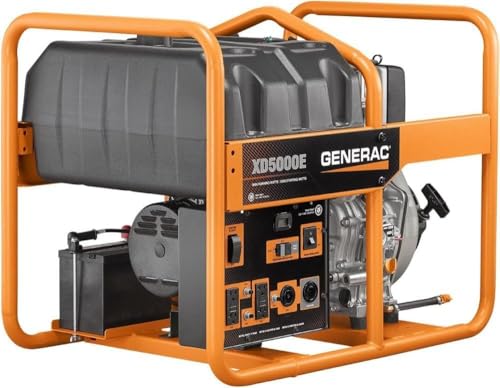
This diesel-powered unit offers a sturdy steel frame with an integrated lifting eye for easy transport and secure placement on worksites. It provides clean, smooth power with 6% total harmonic distortion, ensuring compatibility with tools, appliances, and sensitive electronics. A 12-gallon fuel tank supports up to 32.4 hours at 50% load, reducing refueling frequency for extended operations. Best for contractors and homeowners who need reliable, prolonged runtime in remote locations. Limitations: heavier than gasoline-only counterparts; consider truck or trailer capacity for transport.
Energypac Systems 6KW Diesel Generator
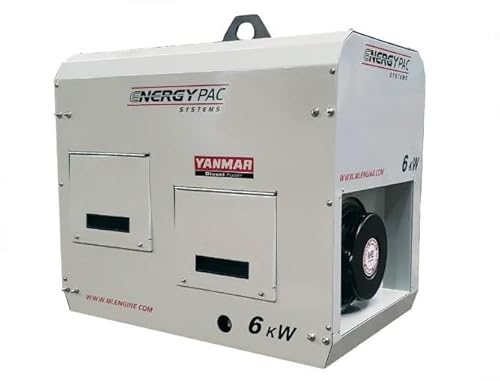
This model emphasizes rugged diesel power in a compact, rollable package. It includes a robust engine, generator end, and a frame designed for field use with a roll bar skid and key components that support quick on-site setup. Best for small business backups or on-site construction where continuous diesel supply and dependable AVR regulation matter. Caution: ensure fuel availability and proper ventilation when operating in enclosed spaces; verify local emissions requirements for diesel units.
Westinghouse iGen8200TFc Tri-Fuel Inverter

Westinghouse delivers inverter technology across gasoline, propane, and natural gas fuels with a 50A transfer-ready configuration. It offers all the benefits of inverter power—clean, stable electricity with lower noise and better fuel economy—while maintaining multi-fuel flexibility. Best for home backup and small workshops where quiet operation and the ability to switch fuels cheaply are priorities. Limitation: not a diesel unit; if diesel is mandatory, consider other diesel-specific models.
WEN 4,750-Watt Dual Fuel Portable Generator (DF475T)

Switch between gasoline and propane with a simple dial, and transition between 120V and 240V output for emergencies and transfer switches. Electric start adds convenience for quick activation. Best for homeowners who want flexibility in fuel choice and need a portable generator for occasional outages. Better for light-to-moderate power needs rather than heavy, continuous use; check fuel availability and run-time expectations for longer outages.
WEN 6,800-Watt Dual Fuel RV-Ready Inverter (DF680iX)

This dual-fuel inverter handles heavier load with 6,800 surge watts and 5,100 running watts on gasoline, and 6,000 surge/4,500 running watts on propane. Its bonded-neutral 240V configuration supports Level 2 EV charging and essential home electronics. Best for RVers and homes needing flexible fuel and quiet operation. Caution: as a dual-fuel unit, efficiency and noise can vary with fuel type; plan for fuel-specific run times and maintenance intervals.
Buying Guide: Small Diesel Generator Considerations
What will you power? List essential loads and peak wattage to match a generator’s running watts and surge watts. For diesel units, consider longer runtimes per tank and better fuel efficiency, especially for frequent outages.
Fuel type and availability
Diesel is favored for longer runtimes and durability. If diesel isn’t available, dual-fuel options provide flexibility with gasoline or propane but may compromise efficiency.
Power output and runtime
Choose a model that meets or exceeds your continuous running watts plus a safety margin. Look at tank size and run-time ratings at 50% load for realistic outages.
Portability and durability
Portability matters for job sites or camping. A sturdy frame, lifting points, and wheeled kits improve mobility; consider enclosure noise levels for residential use.
Power quality and safety features
Inverter-based models deliver cleaner power suitable for electronics. Look for low THD, oil/warning sensors, CO shutdown, and automatic voltage regulation for safe operation.
Setup and maintenance considerations
Assess fuel-handling needs, oil changes, and air filters. In diesel units, ensure proper ventilation and compliance with local emission standards.
FAQ
- Do diesel generators run longer than gasoline models? Yes, diesel engines generally offer longer runtimes per gallon and greater durability under heavy use, making them suitable for frequent outages.
- Are tri-fuel or dual-fuel generators worth it for home use? They provide fuel flexibility and cost benefits where multiple fuels are available, but efficiency and maintenance can vary by fuel type.
- Is inverter power better for electronics? Inverter technology produces cleaner, stable power with lower total harmonic distortion, protecting sensitive devices.
- What is peak vs running watts? Running watts power ongoing loads; peak watts cover brief startup surges. Choose a unit with surge wattage above your largest startup requirement.
- What safety features should I look for? Look for low-oil shutdown, CO shutdown, and proper wiring/transfer switch readiness for safe operation.
- Can I run these indoors? Diesel generators should be used outdoors in well-ventilated areas to avoid carbon monoxide hazards.