Transitioning from a bottle to a cup is a key milestone for bottle-fed babies and early toddlers. The right sippy cup supports easy drinking, reduces spills, and helps little ones gain confidence with self-feeding. Below you’ll find a curated selection of winner products designed to ease the switch, featuring soft spouts, durable materials, and convenient handles. Each option emphasises leak resistance, age-appropriate design, and dishwasher safety to fit busy family life in the United Kingdom.
| Product | Capacity | Why It Stands Out |
|---|---|---|
| Munchkin Gentle Transition Cup (2 Pack) | 10 oz / 296 ml | Removable handles and non-spill design suit 9+ months and up, great first transition |
| Tommee Tippee Transition Spout Cup (2 Pack) | 150 ml | Natural feel spout and two-piece valve for mess-free sips |
| Oberni Baby Sippy Cup | 270 ml / 9 oz | Weighted straw design with leak-proof valve for drinking in any direction |
| Munchkin Mighty Grip Cups (3 Pack) | 10 oz / 296 ml | Three cups with soft spout and removable handles for early training |
| Nuby Grip N Sip Beaker | 240 ml / 8 oz | First sippy cup with soft silicone spout and no-spill design |
Gentle Transition Cup For Toddlers

The Munchkin Gentle Transition Baby Cup in a two-pack provides 10 oz capacity per cup, making it suitable for little hands learning to sip independently. Each cup includes a soft spout and a lid, which helps reduce spills during the transition away from bottles. The set features removable handles, supporting early grasp development and encouraging a move toward a traditional toddler cup. BPA-free material and dishwasher-safe construction align with safety and convenience for UK households. This option is particularly well-suited for babies over 9 months, offering a gentle path from bottle feeding or breastfeeding to a simple cup.
Key features include a non-spill design and a sturdy silicone cup that can be cleaned easily in domestic dishwashers. The removable handles are a practical aid for developing motor skills, and the 296 ml capacity ensures hydration without constant refills. Parents often appreciate the bright color palette as a visual cue for mealtime transitions. The overall design focuses on ease of use, hygiene, and long-term usability as children grow out of the bottle phase.
Transition Spout Cup For Weaning

Tommee Tippee’s Transition Spout Cup is designed to feel natural for little mouths starting on a cup. The 150 ml capacity is appropriately sized for early sips, reducing the risk of spills while the child learns. A natural feel bite-resistant spout helps replicate the sensation of breastfeeding or bottle feeding, aiding the switch. The two-piece valve effectively seals to prevent leaks, making it a reliable option for busy households. The hinged cap keeps the spout clean when tucked away in bags, which is particularly useful for family days out in the UK. This cup suits infants around 4 months and older, offering a gentle progression from bottle to cup with a familiar feel.
Safety and practicality are central: the materials are BPA-free and endure everyday use. Cleaning is straightforward, and the compact design travels well. The design prioritises durability and a leak-proof experience, addressing common parental concerns about spills and mess during the crucial transition period.
Versatile Sippy Cup With Handle
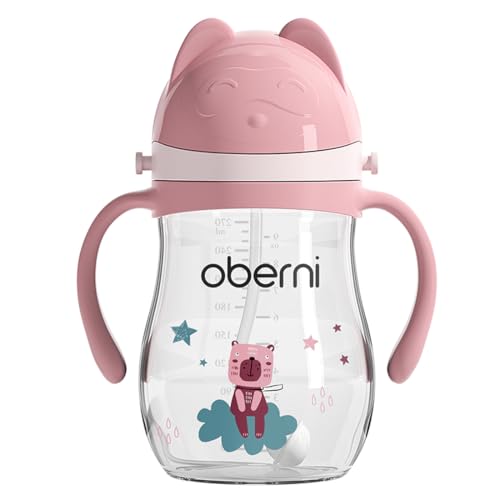
The Oberni Baby Sippy Cup combines weighted straw drinking with a leak-proof valve system designed for use in multiple positions. This makes it suitable for babies who can sit, stand, or lie down while drinking. The V-shaped double-sealing spout helps prevent leaks, enabling on-the-go use in prams or bags. Made from BPA-free Tritan, the cup is both durable and transparent, allowing caregivers to monitor liquid levels easily. The 270 ml capacity provides ample hydration for toddlers during playtime or outings, and the included strap adds portability for travel and day trips around the UK.
With 6-12 month suitability as a baseline and continued use through early toddlerhood, this cup is a practical choice for families seeking a robust sippy cup that reduces spills without compromising on ease of cleaning. It balances the needs for safe materials, reliable performance, and a design that grows with the child’s developing drinking skills.
Mighty Grip Training Cups

The Munchkin Mighty Grip Cups come in a 3-pack, featuring 10 oz capacity cups designed for toddlers aged 9 months and up. The set includes vibrant blue and green colours, helping to engage children during meal times and travel. The cups use a soft silicone spout and a non-spill design to support confident sipping while minimizing messes. Removable handles are user-friendly for small hands, allowing parents to gradually reduce support as the child learns to hold the cup independently. This trio provides a practical, economical way to ensure you always have a clean cup on hand for busy households or daycare settings.
Maintenance is straightforward in UK households, with dishwasher-safe parts for easy cleaning. The design prioritises safety, with BPA-free materials and a focus on durability. For families seeking multiple cups for different rooms or carers, Mighty Grip offers reliable performance and a straightforward transition from bottle to cup with added stability from the handles.
Grip N Sip First Sippy Cup

The Nuby Grip N Sip Water Bottle offers a sturdy first sippy experience with a no-spill, easy-grip design aimed at 4 months plus. The twin-handle setup provides confident early learning and helps little ones master independent sipping. The 240 ml capacity is a practical size for both fresh and semi-fluid drinks, especially during the teething stage where a soft silicone spout is gentler on developing teeth. This beaker is dishwasher-safe and designed for regular use, with a focus on user-friendly cleaning for UK families balancing busy daily routines.
In summary, these five options cover a range of features—from removable handles and soft spouts to leak-proof valves and sturdy materials. They are suitable for different age ranges and transition paces, helping parents select a cup that matches their child’s development and family lifestyle.
Buying Guide: Key Factors For Your Sippy Cup Purchase
When choosing the best sippy cup to transition from a bottle, consider the following factors to ensure the cup fits your child and lifestyle in the UK market:
- Age and stage: Look for cups labeled for 4 months, 6 months, or older depending on your child’s development. For early transitions, soft spouts and smaller capacities reduce overwhelm.
- Spout design: A soft, flexible spout mimics bottle feeding and encourages natural sipping. Spouts that are bite-resistant are beneficial for teething and longer use.
- Leak resistance: A robust valve system and secure caps prevent spills during travel or playtime, reducing mess and wasted liquids.
- Handles and grip: Removable or fixed handles help with fine motor development and provide stability for new drinkers.
- Materials and safety: BPA-free materials, durability, and dishwasher-safe parts matter for hygiene and convenience in everyday UK use.
- Size and capacity: Cups range from 118 ml to 296 ml. Choose a size appropriate for your child’s age and daily hydration needs.
- Cleaning and maintenance: Dishwasher-safe components save time and ensure thorough cleaning, an important factor for busy households.
- Portability: For families on the go, consider a compact design, secure lids, and straps that prevent loss during outings.
- Price and value: Multi-packs offer cost efficiency and ensure you have spares for daycare or travel, while higher-end cups may offer extended usability as your child grows.
All selected options provide reliable transition support with a mix of first-time and ongoing use. For households prioritising spill prevention, comfortable handles, and child-friendly designs, these choices offer varied approaches while maintaining safety and practicality for daily UK routines.