Choosing the right footwear is essential for nursing students who spend long shifts on their feet. The best shoes combine support, slip resistance, and durability, while also offering comfort for days filled with clinical placements and lectures. This guide highlights five top options available on Amazon UK, each designed to handle hospital corridors, kitchens, and busy ward rounds with minimal fatigue. Below, you’ll find quick product insights and a buying guide to help compare features like toe protection, hygiene-friendly materials, and fit considerations.
Summary at a glance: the selected shoes emphasize slip resistance, easy on/off design, and durability in clinical environments. The list includes trusted brands with steel-toe options for extra protection, breathable uppers for all-day wear, and maintenance-friendly fabrics suitable for healthcare settings. Use the table to quickly compare core attributes before reading deeper product details.
| Product | Brand | Key Feature | Link |
|---|---|---|---|
| Skechers Sure Track Work Shoes | Skechers | Slip-on, soft lining, all-day wear | View |
| Blackrock Slip-On Safety Shoes | Blackrock | Steel toe, self-cleaning anti-slip sole | View |
| Blackrock Lace-Up Safety Shoes | Blackrock | Steel toe, machine washable, anti-slip | View |
| LARNMERN Slip-On Safety Shoes | LARNMERN | Slip-on, breathable mesh, shock reduction | View |
| SPIEZ Non Slip Kitchen Shoes | SPIEZ | Non-slip, ultra-light, microfiber upper | View |
Skechers Sure Track Slip-On Work Shoes
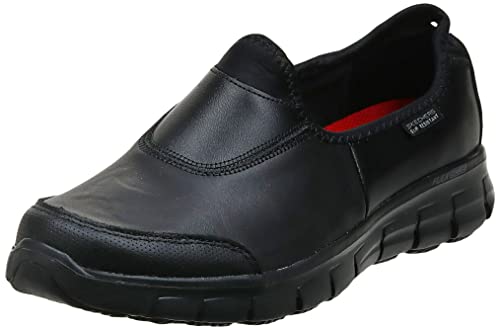
The Skechers Sure Track Work Shoes are designed for daily hospital and clinical use, featuring a slip-on design for quick changes between shifts and classrooms. The soft fabric lining enhances comfort for long periods of standing, while a flexible sole provides a stable base on varied flooring. These shoes suit nursing students who prioritise convenience without compromising support. The lightweight construction reduces fatigue during long rounds and rounds out with a practical everyday wearable aesthetic suitable for clinical settings and campus life.
Key points to consider include the ease of wear, maintenance, and how the interior supports prolonged standing. While not a steel-toe model, they offer reliable cushioning and a secure feel for routine activities, such as patient care simulations or clinical lab work. For students who are often on the move between lectures and placement, these shoes offer a balance of comfort and practicality that aligns with UK hospital policies on footwear in many wards.
Blackrock Slip-On Safety Shoes (Steel Toe)

These Blackrock safety shoes prioritise protection and hygiene, featuring a steel toe cap to guard against impact and compression. The model is specifically marketed for cleanroom environments and food preparation areas, making them relevant for nursing students working in clinical kitchens or sterile departments. A key advantage is the 40°C machine-washable construction, which helps maintain high hygiene standards in healthcare settings. The self-cleaning, anti-slip dual-density PU/PU sole enhances grip on wet or oily floors, reducing slip risks during rotations in busy wards or catering-related clinical areas.
Consider the balance between protection and ease of cleaning. The steel toe provides robust protection, but users should ensure a comfortable fit for all-day wear. The durability designed to resist fuel oil and stains helps maintain hygiene over extended periods of clinical training, especially in hospital kitchens or pharmaceutical cleanrooms often encountered during nursing placements in the UK.
Blackrock Lace-Up Safety Shoes (Steel Toe)

This lace-up variant from Blackrock offers the same steel toe protection with a traditional fit that can suit wider foot shapes. Its durability is reinforced by machine-washable fabric and a self-cleaning anti-slip dual-density PU/PU sole, designed to resist stain and grease buildup. The design makes it suitable for environments where hygiene and foot protection are essential, such as clinical labs, hospital wards, and kitchen areas within healthcare facilities. The lace-up closure allows personalised adjustment for comfort during long shifts and practical placements.
For nursing students, the combination of toe protection, hygiene-friendly cleaning, and reliable slip resistance makes these shoes a practical choice for both hospital corridors and clinical training settings. Consider trying them with orthotic-friendly insoles if additional arch support is needed for extended standing hours.
LARNMERN Slip-On Safety Shoes

These slip-on safety shoes from LARNMERN emphasise easy wear and breathable comfort, with a mesh upper designed to enhance air circulation during long shifts. The slip-on design saves time, while a PU sole with an air cushion heel offers shock reduction to minimise fatigue. The shoes aim to balance lightweight comfort with essential protection, making them suitable for healthcare settings where quick changes and mobility are common. They are a practical option for nursing students who navigate between lectures, labs, and clinical placements without compromising safety.
Key considerations include fit and foot width, as slip-ons may require careful sizing to ensure a snug, secure feel. The breathable materials help manage heat during busy shifts, though users who require broader toe boxes may want to evaluate sizing to avoid crowding during a full day of activities.
SPIEZ Non Slip Kitchen Shoes

The SPIEZ kitchen shoes are SRC-certified for non-slip performance, specifically designed for wet and greasy floors common in hospital kitchens or care home facilities. The ultra-light construction, at approximately 230g per shoe, helps reduce fatigue during long shifts. The microfiber upper is soft and flexible, while the breathable interior maintains foot comfort in warm environments. The outsole is engineered to provide solid grip, enabling confident movement on slippery surfaces during procedures, patient transport, or food service tasks during training placements.
When choosing SPIEZ, consider the size guidance to ensure the best fit, as many users find going a size or half size larger yields a more comfortable wear for extended periods. These shoes are well-suited to nursing students who require reliable traction and ease of transition between indoor clinical tasks and kitchen-focused training.
Buying Guide: Key Purchase Considerations
- Foot protection: If your clinical rotations involve physical tasks or equipment handling, a steel-toe or reinforced toe model can offer extra protection. For classroom or lab settings, cushioned, slip-resistant shoes may be sufficient.
- Slip resistance: Look for SRC or anti-slip soles with tread designed for wet or oily surfaces. Non-slip ratings are particularly important in kitchens and hospital wards.
- Hygiene and cleaning: Machine-washable uppers or easily wipe-clean materials help maintain hygiene in healthcare environments. Consider how often you’ll need to clean footwear between placements.
- Fit and comfort: Slip-ons are convenient, but lace-ups often provide a more secure fit for wider or high-arched feet. Check return policies and sizing guidance, especially if you’re between sizes.
- Breathability and weight: Lightweight shoes with breathable uppers help prevent overheating during long shifts. Padding and arch support contribute to overall comfort for standing and walking.
- Durability and maintenance: Durable materials that resist staining and are easy to clean suit intensive use. Consider whether the sole compound offers long-lasting grip and resistance to common workplace contaminants.
- Regulatory considerations: Some healthcare facilities have footwear policies regarding colour, style, or toe protection. If you have clinical placements, confirm compliance with your institution.
Choosing the right footwear involves balancing protection, comfort, and practicality for daily nursing student life. The options listed provide a range of features—from slip-on convenience and breathable uppers to steel-toe protection and high-traction soles—so you can align footwear with your rotation needs, campus schedule, and hygiene standards.