Finding the right footwear for healthcare settings involves balancing slip resistance, support, and easy cleaning with long shift comfort. The following selection highlights popular, practical options from trusted brands that UK professionals often rely on. Each product is evaluated for durability, grip, and overall comfort to help you choose footwear that keeps you on your feet through long shifts in hospital wards, clinics, and care homes.
| Product | Brand | Key Features |
|---|---|---|
| Skechers SURE TRACK ERATH – II | Skechers | Soft mesh upper, slip-on design, flexible outsole |
| Crocs Unisex Bistro Clogs | Crocs | Lightweight, non-slip outsole, healthcare-focused design |
| Skechers 76536ec Work Shoes | Skechers | Slip-on, soft lining, all-day wear |
| Skechers Nampa Beja Work Shoes | Skechers | Slip-resistant, memory foam insole |
| Crocs Unisex Sandals | Crocs | Enclosed toe/heel option, relaxed fit with arch support |
Across the sector, comfort and hygiene are paramount. The selections below prioritise slip resistance, supportive insoles, and materials that are straightforward to clean between patients. Whether you’re on your feet in a busy emergency department or moving between wards, these shoes are designed to help reduce fatigue and support steady footing.
Skechers Sure Track Erath II Review
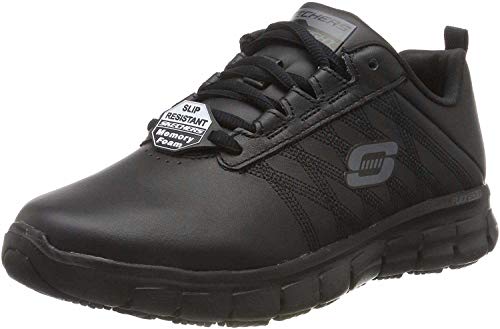
The Skechers Sure Track Erath II offers a soft mesh knit upper with a bungee-laced front for a snug, adjustable fit. Its slip-on sporty design provides convenient on/off functionality for healthcare environments where frequent shoe changes may be needed between rooms. The flexible rubber traction outsole contributes to reliable grip on wet or polished floors, helping to minimise slips in busy settings. Suitable for daily healthcare tasks, the shoe combines comfort with practicality, making it a good option for long shifts that demand consistent support and easy cleaning.
Crocs Bistro Clogs For Busy Kitchens

Crocs Bistro Clogs are designed with food service, hospitality and healthcare workers in mind. The clogs are light and supportive enough to sustain long shifts, with a dual-density sole aimed at comfort and grip. While their closed-toe design aligns with workplace safety standards, Crocs’ swappable insoles and easy-to-clean materials make them a practical choice for environments where hygiene and cleanliness are critical. They’re particularly well-liked by staff who value quick drying times and straightforward maintenance between patients and departments.
Skechers 76536ec Work Shoes
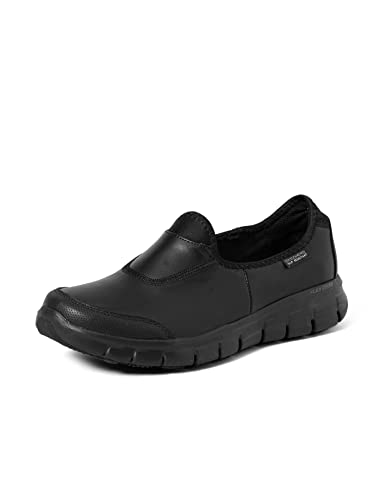
These Skechers work shoes combine a slip-on design with a soft fabric lining, enhancing comfort during long shifts. The easy on/off feature is convenient for hospital routines that require rapid transitions between patient rooms or labs. The overall emphasis on light-weight construction and everyday practicality makes them a reliable option for staff who prioritise comfort without sacrificing essential support for standing and walking throughout the day.
Skechers Nampa Beja Work Shoes
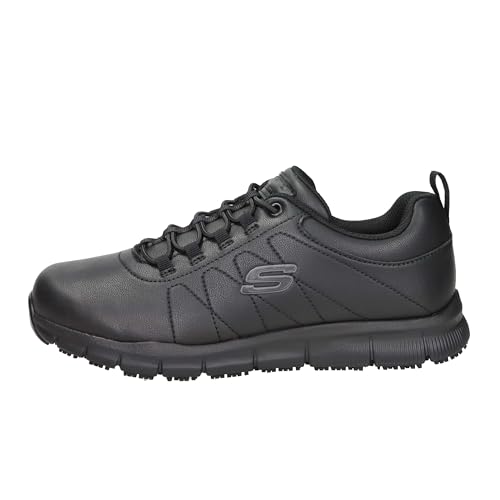
The Skechers Nampa Beja model features a bungee slip-resistant athletic trainer design with a memory foam insole for enhanced comfort. The slip-resistant outsole is geared toward safe footing on varied hospital surfaces, including linoleum and wet areas. Memory foam helps alleviate fatigue during long shifts, and the bungee-lace approach provides an adjustable fit without sacrificing speed when donning shoes between patient interactions.
Crocs Unisex Sandals For Warm Environments

These Crocs sandals provide a relaxed fit with an enhanced arch support profile, aligning with needs for situations where closed shoes are not mandatory, or for post-shift comfort. While not a standard option for all healthcare settings, their easy cleaning and lightweight design can be appropriate in non-clinical areas or for staff who transition between clinical and non-clinical duties. The sandals offer a breathable alternative for warmer hospital environments, while still maintaining basic support and comfort.
Buying Guide: Key Considerations For Healthcare Footwear
- Slip resistance: Look for outsoles with tread designed for wet or polished floors. A heel-to-toe grip helps prevent slips during patient transfers or clean-up tasks.
- Support and cushioning: Memory foam insoles or contoured footbeds reduce fatigue during long shifts. Consider arch support if you have flatter feet or specific foot pain.
- Fit and adjustability: Slip-on styles with secure lacing or adjustable straps can balance convenience with a secure fit. Ensure there is enough room to accommodate thick socks in colder months.
- Hygiene and cleaning: Materials that withstand frequent washing or quick wipe-downs help maintain infection control standards. Non-porous uppers and removable insoles can aid cleaning routines.
- Durability and material: Durable uppers that resist stains and easy-to-clean linings extend the life of work shoes in demanding healthcare environments.
- All-day comfort: Consider weight, breathability, and cushioning. Lightweight designs reduce fatigue, especially when standing for hours.
- Size consistency: If switching brands, check UK/EU size conversions. Some Crocs models follow US sizing on the sole, so consult the size chart before purchasing.
- Foot health considerations: For workers with foot conditions or previous injuries, prioritise stability features and orthopedic-friendly insoles. Some models offer memory foam or shock absorption to ease strain on the feet, ankles, and knees.
Healthcare professionals should select footwear that aligns with their work environment, personal comfort, and the required cleanliness standards. The highlighted products blend grip, comfort, and practicality, providing options across closed-toe clogs, slip-resistant trainers, and practical slip-on styles. When evaluating candidates, consider the specific duties, shift length, and floor conditions you commonly encounter to tailor your choice for optimal performance and foot health.