Answering your search for upholstery-ready sewing machines, this guide highlights five reliable options tuned for heavy fabrics like leather and canvas, plus heavy-duty features for durable results. Ideal buyers include home DIY upholsterers, hobbyists tackling furniture projects, and small shops needing consistent performance. Below you’ll find each model’s strengths, who it’s best for, and practical considerations to help you decide.
| Product | Best For | Why It Stands Out |
|---|---|---|
| SINGER 4411 (Grey) Heavy Duty | Home crafters with tough fabrics | High-powered motor; 69 stitch options; speeds up to 1100 SPM |
| 550W SHATUOA Industrial | Professional upholstery and drapery shops | Low-noise 30dB motor; automatic threading; adjustable stitch distance |
| Brother XM2701 | Beginners and intermediate crafters | 27 stitches; auto needle threader; drop-in bobbin and 6 feet |
| SINGER 4452 Holiday Bundle | Quilting and decor projects with extension work | Heavy-duty build; large extension table; multiple bonus presser feet |
| Consew Upholstery Walking Foot | Professional upholstery and leather work | Walking foot for even stitching on layers; table included; versatile material support |
SINGER 4411 (Grey) Heavy Duty Sewing Machine

The SINGER 4411 Grey is designed for tough fabrics with a motor offering 50% more power than standard machines. It handles denim, canvas, and leather while remaining versatile for lighter fabrics. With 69 stitch applications and a top speed of up to 1,100 stitches per minute, it supports both basic seams and decorative work. Best for: home upholsterers who need a robust machine that can tackle thick materials without slowing down. Limitation: may require careful needle and foot selection for certain leather edges.
550W Industrial Upholstery Sewing Machine Set

This industrial set emphasizes a low-noise, high-speed motor with automatic threading for quick setup and less eye strain. It supports stitching up to 3,500 SPM, a level of speed suited for professional upholstery and drapery work. Best for: shops and serious hobbyists who demand speed with reliability. Caution: data notes indicate it’s powerful; ensure appropriate workspace and safety practices for high-speed operation.
Brother XM2701 Portable Sewing Machine

The Brother XM2701 is a versatile, beginner-friendly option with 27 built-in stitches, including decorative and stretch options. Its auto needle threader and jam-resistant top bobbin help simplify setup, while six included feet support a range of applications. Best for: aspiring upholsterers who want an affordable, easy-start model that can grow with skill. Limitation: fewer heavy-duty features compared to dedicated upholstery machines may slower through thick leather or multiple layers.
SINGER 4452 Holiday Bundle Heavy Duty
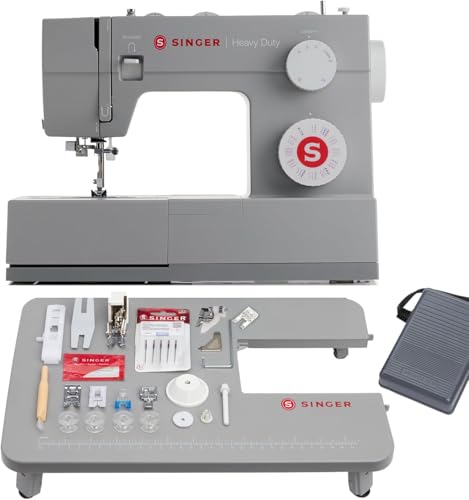
The SINGER 4452 Holiday Bundle combines a heavy-duty sewing machine with a large extension table and a set of presser feet for diverse tasks, including blind hems and appliqué. The extended workspace is ideal for quilts, home decor, and larger upholstery projects. Best for: decorators and upholsterers who need extra surface area and a full accessory kit. Caution: bundled accessories require proper storage to prevent loss or misplacement.
Consew Upholstery Walking Foot Industrial Machine
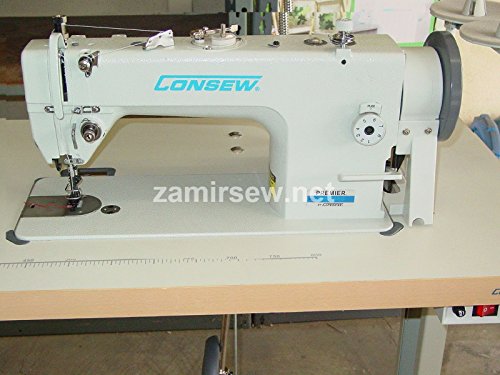
The Consew walking-foot machine is designed for furniture, leather, auto, and canvas work. It supports sewing light to heavy-weight materials with a table included for stable, even stitching. Best for: professional upholsterers who need a dedicated unit capable of handling layered fabrics with consistent feed. Limitation: might be heavier and require more space and setup than portable machines.
Buying Guide: Upholstery Sewing Machine Essentials
Key questions to guide your choice:
- What fabrics will you primarily sew? Thick leathers and multiple layers demand a heavy-duty or industrial model with strong motor and walking foot capability.
- Do you need speed versus control? Higher stitch speeds accelerate projects but may require steadier hands and precise foot control for flawless seams.
- Is workspace size important? Large extension tables aid with quilts and big upholstery pieces; portable machines suit smaller spaces.
- What foot options are essential? Presser feet such as blind hem, walking feet, and zipper feet expand project versatility.
- Is threading ease a priority? Automatic threading and drop-in bobbins reduce setup time for frequent projects.
- What’s your skill level? Beginners may prefer models with auto needle threaders and clear guides, while professionals might prioritize motor power and durability.
Practical Comparisons
- Power: Industrial and heavy-duty machines generally offer greater torque for thick fabrics; home machines like the SINGER 4411 balance power with user-friendly features.
- Stitch options: More stitches provide design flexibility; however, for upholstery, emphasis on strong straight and satin stitches with a reliable feed is key.
- Foot compatibility: Ensure the machine supports specialty feet needed for furniture work, such as walking feet, blind hem feet, and edge guides.
Frequently Asked Questions
- What features matter most for upholstery sewing? A strong motor, walking foot capability, sturdy frame, large extension table, and compatible presser feet.
- Can I use a standard sewing machine for leather? Lightweight leather can be feasible with a heavy-duty machine, correct needle types, and proper stitch settings; treat thicker layers with care.
- Is an industrial machine necessary for home upholstery? Not always; for occasional projects, a heavy-duty home machine often suffices, but frequent or large-scale work benefits from an industrial model.
- Do automatic threading features help with upholstery work? Yes, they reduce setup time and fatigue, especially when switching threads and fabrics often.
- What maintenance is recommended? Regular cleaning, oiling as per manufacturer guidelines, and timely needle and presser foot changes sustain performance on thick fabrics.
- Which machine is best for beginners? The Brother XM2701 offers approachable features, guided threading, and a variety of stitches suitable for learning on upholstery-related tasks.