Direct answer: for leather projects, you want a heavy‑duty machine or a dedicated leather sewing tool that can handle thicker materials and dense stitches. The top picks below balance power, versatility, and value for American buyers. They’re suitable for sewists working with leather wallets, bags, shoes, belts, and small upholstery projects. If you’re a hobbyist, choose a machine with accessible accessories and a robust motor. For professionals, prioritize speed, stitch variety, and durability. The table below compares five strong options to help you decide quickly.
| Product | Best For | Key Benefit |
|---|---|---|
| SINGER 4411 Heavy Duty | Heavy fabrics including leather | 50% more power and up to 1,100 SPM |
| SINGER 4432 | Thick fabrics and fashion projects | 60% stronger motor, 1100 SPM, 110 stitches |
| SINGER Super Bundle HD500 | All-around durability with case | Heavy duty frame with 23 stitches and included case |
| ColouredPeas Cobbler Machine | Leather, shoes, bags | Upgraded spindle and smoother operation |
| DODOQ Manual Leather Sewing Machine | On‑the‑spot repairs and small leather items | Versatile direction and compatibility with leather items |
Note: each option has its own strengths. The following sections describe why each product is a strong pick for leather work, who should buy it, and any limitations to consider.
SINGER 4411 High Speed Heavy Duty for Leather

The SINGER 4411 is built to handle tough fabrics, including leather, thanks to a robust motor and 50% more power than typical consumer machines. It offers high-speed stitching up to 1,100 stitches per minute, enabling quick construction of leather projects like patches, belts, and light upholstery. With 69 stitch options, users can manage basic seams as well as decorative stitches for fashion items or home decor. Best for hobbyists moving into leather or workshops needing reliable, fast stitching for mixed fabrics. Limitation: not a dedicated leather overlock; very thick layers may require manual feeding or extra feet for best results.
Who it’s best for: beginners to intermediate sewists needing a versatile, fast machine that can occasionally work with leather.
SINGER 4432 High Speed Heavy Duty

This machine uses a high-performance motor that is 60% stronger than standard machines, delivering up to 1,100 stitches per minute. It shines when sewing through denim, canvas, and multiple fabric layers common in leather projects. It includes many accessories, one-step buttonhole, a free arm, and adjustable stitches, making it a capable all‑around machine for fashion, quilting, and home decor with leather accents. Best for more serious leather users who also work with heavy fabrics. Caution: some thicker leather layers may require thinning or pre-punching for easier stitching.
Who it’s best for: crafters and small business sewists who need speed, adaptability, and a broad stitch library.
SINGER Super Bundle HD500 With Case
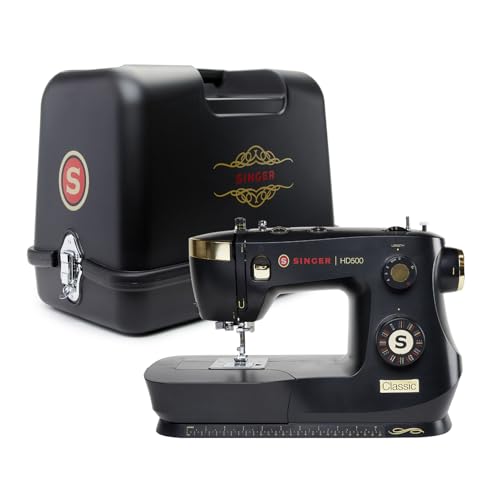
The HD500 bundle combines a heavy-duty sewing machine with a matching hard case, delivering durability and portability. Its metal frame and robust motor support projects across leather to lace fabrics. It includes 23 built-in stitches and 110 stitch applications, plus a one-step buttonhole, adjustable stitch length and width. Best for makers who want a timeless, reliable workhorse with storage options. Limitation: design emphasizes classic style and may not include some modern features found in newer models.
ColouredPeas Leather Sewing Cobbler Machine

This Cobbler sewing machine focuses on leather workflows, featuring an upgraded spindle and smoother operation. It advertises a maximum sewing thickness of 0.48 inches, making it suitable for leather shoes, bags, and similar items. Best for dedicated leather repair or shoe making at a home workshop. Caution: may require specific needles and thread to maximize leather compatibility; verify thickness limits for your projects.
DODOQ Manual Leather Sewing Machine

The DODOQ manual leather sewing machine offers a portable option for leather repairs and small projects. It supports nylon and cotton thread and allows needle direction adjustments, enabling sewing in different directions. Best for on‑the‑go repairs, small leather goods, and hobbyists who want a tool that doesn’t rely on electricity. Limitation: manual operation means slower progress and less suited for large-scale projects.
Buying Guide: Leather Sewing Purchase Essentials
- What thickness can you sew? Check the maximum leather thickness the machine can handle and confirm if you need pre-punched holes or special needles.
- Motor strength and speed: For leather, prioritize machines that offer a robust motor and high stitch-per-minute (SPM) rates to manage dense materials efficiently.
- Stitch options: Look for a range of stitches suitable for leather, including utility, decorative, and one-step buttonhole options for different leather goods.
- Feet and accessories: Ensure the machine includes or supports leather-specific presser feet (adjustable pressure, walking feet, edge guides) and the ability to use binding and edge-finishing options.
- Portability vs. stability: If you need mobility, consider compact machines with sturdy construction; for frequent leather projects, a heavier, stable model may be preferable.
- Maintenance and parts: Verify availability of replacement needles, feet, and parts for leather sewing; some brands offer upgrade kits for thicker materials.
Frequently Asked Questions
- Can a regular sewing machine sew leather? Yes, but it requires a heavy-duty model, strong needle sizes, and appropriate tension; leather-specific feet help.
- What needle size is best for leather? Leather needles (guitar-point or wedge-point) in larger sizes (e.g., 90/14 to 110/18) are commonly recommended depending on thickness.
- Do I need a walking foot for leather? A walking foot or roller foot can help feed leather evenly and prevent shifting, especially on thick layers.
- Is a manual leather sewing machine sufficient for repairs? For small repairs and on-the-go tasks, a manual tool is practical, but expect slower progress and limited stitch variety.
- What maintenance helps leather sewing machines last longer? Regular needle changes, cleaning lint from bobbin area, and lubricating moving parts per manufacturer guidance extend life.