Answering the question most buyers have: which sewage ejector pump is best for your needs? This guide compares five solid options across different power levels and classes, helping homeowners, small business owners, and plumbers choose reliably. Best for residential basements, commercial sump rooms, and challenging effluent scenarios, these picks balance power, clog resistance, and automatic operation. The quick reference table below highlights who each pump suits best and why it stands out.
| Product | Best For | Why It Stands Out |
|---|---|---|
| Zoeller Waste-Mate 267-0001 | Residential & small commercial basements | Rugged 1/2 HP, passes 2″ solids, reliable float control |
| Aquastrong 1 HP Sewage Grinder | Clog-prone environments | Grinds debris with stainless blades, 4200 GPH, 2″ discharge |
| Acquaer 3/4HP Submersible | Basements with solid loads | 6400 GPH, cast iron, 2″ discharge, automatic float |
| Superior Pump 93020 | Basements needing compact, complete system | 2″ solids handling, cast iron, tethered float |
| FOTING 1.5HP Sump Pump | Heavy-duty basements and larger drains | 9000 GPH, robust cast iron, automatic/manual options |
The following sections detail each option with a focused view on who benefits from it, what makes it a strong choice, and any important limit to note—so you can compare quickly and make a confident decision.
Zoeller Waste-Mate 267-0001 Sewage Pump
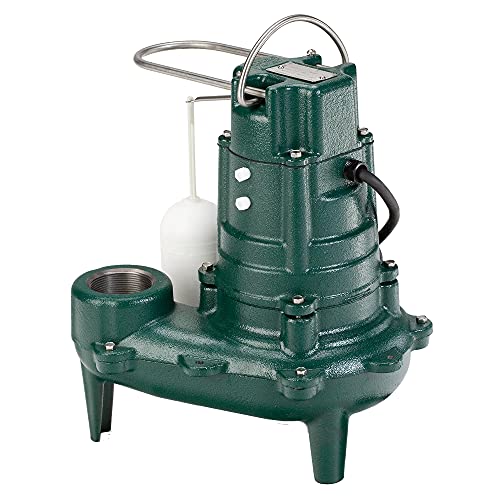
The Zoeller Waste-Mate 267-0001 is a heavy-duty submersible sewage, effluent, or dewatering pump with 1/2 HP. It is designed for residential and some light commercial use. It passes 2″ spherical solids with a plastic impeller and features a float-operated switch plus a non-clogging vortex design. Best for customers needing a compact, reliable pump that can handle typical basement or crawlspace projects. Caution: regular inspection is advised to confirm no clogs form in the intake area, especially in longer service intervals.
Aquastrong 1 HP Sewage Grinder Pump
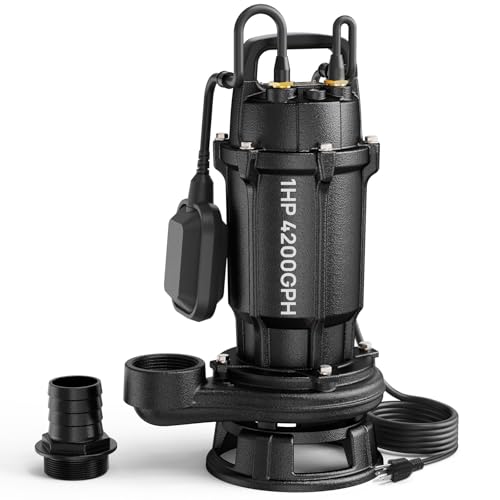
The Aquastrong grinder pump shreds soft and tough debris with stainless steel blades. It provides about 4200 GPH flow and a 40 ft lift, with a 2″ discharge for solids up to 2″. It runs on 115V single-phase power and is intended for basements or sewage ejector systems. Choose this if you need grinding action to reduce clogs and you have moderate solid loads. Limitation: avoid rubber items or thick towels that could overwhelm the grinder blades.
Acquaer 3/4HP Submersible Sewage Pump
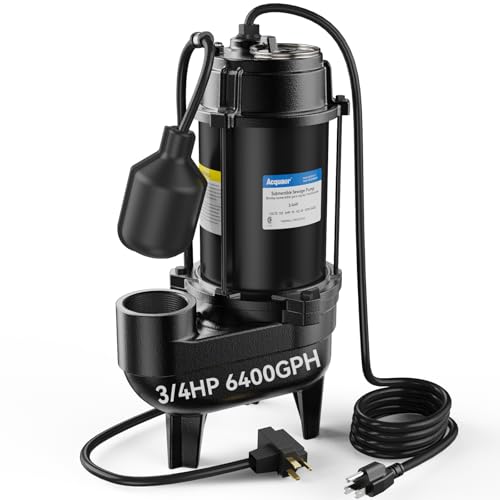
The Acquaer 3/4HP model delivers up to 6400 GPH with a 29 ft lift. It uses an oil-filled motor and a non-clogging vortex impeller, with a 2″ discharge and automatic tethered float switch. This makes it well-suited for basements or below-grade installations where solids up to 2″ may be encountered. Best for moderate-to-high flow needs; avoid use in septic tanks and remember the risk of damage if the power cord is lifted during handling.
Superior Pump 93020 1/2 HP System

The Superior Pump 93020 is a 1/2 HP cast iron sewage pump with a 2″ discharge and 2″ solids handling. It includes a vertical float switch and a 30-gallon basin. The design emphasizes durability and system integration in small-to-medium basement applications. Best for compact installations where a reliable, heavy-duty pump is needed. Limitation: ensure the basin and inlet sizing align with expected wastewater loads to prevent overflow during peak periods.
FOTING 1.5HP 9000GPH Sump Pump

The FOTING 1.5HP model provides up to 9000 GPH with a 29 ft lift and 2″ NPT discharge. It combines heavy-duty cast iron construction with an automatic/tethered float switch. Best for larger basements or septic-related sump challenges where higher flow is needed. Choose this if you need strong performance and can accommodate a larger footprint; caution: heavier units require careful handling during installation.
Buying Guide
Key purchase considerations for sewage ejector pumps include flow rate, lift height, and solids handling. Consider the size of your sump, the typical wastewater load, and whether you need automatic control or manual override. Look for cast iron construction for durability, a non-clogging impeller design for reliability, and a tethered float switch to prevent dry running. Solids up to 2″ diameter are common in many models; verify your wastewater debris level to avoid clogging. Warranty terms and service availability can influence long-term maintenance planning.
What size pump do I need?
For small basements with light loads, a 1/2 HP model may suffice. For moderate to heavy loads or larger basements, 3/4 HP to 1.5 HP models increase flow and head. Consider both the vertical lift (how high the water must be pumped) and the horizontal distance to discharge when selecting horsepower.
Do I need a grinder pump?
Grinder pumps are advantageous in environments with possible fibrous or wipes-based debris. They shred solids before pumping to reduce clogs. If debris is a concern, a grinder-equipped model can be beneficial, but expect higher energy use and potentially more maintenance needs.
What about automatic vs. manual operation?
Automatic pumps with tethered float switches are convenient for unattended basements. Manual operation may be suitable for standby basins or controlled applications but requires monitoring to prevent overflow.
How important are materials and protection?
Cast iron housings offer durability and better cooling. Look for thermally protected motors and fully submerged operation compatibility. Ensure electrical connections are safe for damp environments and that installation follows local codes.
Installation considerations
Proper basin size and inlet compatibility matter. Ensure the discharge piping matches standard 2″ lines, and verify that the power supply and cord length fit your space. Avoid lifting pumps by power cords to prevent damage.
FAQ
- What is a sewage ejector pump used for?
It removes wastewater from below-grade spaces and ejects it to a sewer or drain system.
- What solids size can these pumps handle?
Most models handle up to 2″ solids, which covers typical debris in residential wastewater.
- Is a grinder pump necessary for all basements?
Not always; grinders are helpful where debris is common, but not required for every setup.
- How high can a pump lift water?
Lift heights vary by model; common systems reach 25–40 feet, with higher HP models achieving more height.
- Should I choose auto or manual operation?
Auto is convenient for unattended basements, while manual may fit specific controlled environments.
- What maintenance is typical?
Regularly check for clogs, inspect the float switch, and ensure electrical connections are dry and secure.