When choosing a face moisturizer, select formulas based on your skin’s needs: barrier repair, lightweight hydration, or sun protection. This guide highlights five well-rounded moisturizers that suit different skin types and concerns—from sensitive, fragrance-free options to anti-aging hydrators. Each product is described with who it’s best for, why it was chosen, and a practical caveat to consider before you buy.
| Product | Best For | Key Benefit |
|---|---|---|
| La Roche-Posay Toleriane Double Repair | All skin types, barrier repair | 48-hour moisture + microbiome-balancing prebiotics |
| The Ordinary Natural Moisturizing Factors + HA | Budget-friendly, lightweight hydration | Skin-identical ingredients with hyaluronic acid |
| Cetaphil Daily Oil-Free SPF 35 | Oily to combination skin, sun protection | Hydration + broad SPF 35 in one |
| Neutrogena Ultra Gentle Daily | Sensitive skin, fragrance-free | Soothing hydration with niacinamide and vitamin E |
| Amazon Basics Oil-free Moisturizer | Fragrance-free, non-comedogenic | Simple, pores-friendly everyday hydration |
La Roche-Posay Toleriane Double Repair Face Moisturizer
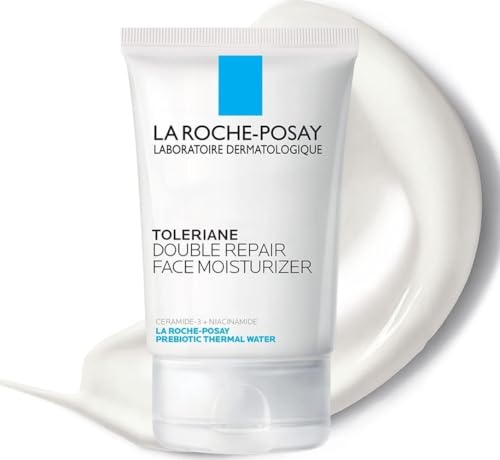
Best for: Those seeking a barrier-repairing moisturizer that also provides long-lasting hydration. The product restores the skin’s natural protective barrier in about an hour and offers up to 48 hours of moisture. It features prebiotics to support skin comfort and a barrier-friendly ceramide complex with niacinamide and glycerin.
Why chosen: It targets moisture renewal and barrier support in one step, making it suitable for both men and women with sensitive or reactive skin. The formulation emphasizes restoring moisture without heaviness.
Caution: If you prefer fragrance-free products, check whether fragrance is present in your batch as formulas may vary by region. Consider patch testing if you have ultra-sensitive skin.
The Ordinary Natural Moisturizing Factors + Hyaluronic Acid

Best for: Budget-conscious shoppers who want a lightweight, non-greasy hydrator with skin-identical ingredients. It uses amino acids, fatty acids, ceramides, urea, and hyaluronic acid to support the skin’s hydration barrier.
Why chosen: It delivers essential moisturization without a heavy feel, making it suitable under makeup and for those who dislike a sticky finish. The formula is commonly accepted by sensitive-skin protocols for hydration support.
Warning: Some users may need a richer layer in drier climates or seasons; consider layering if you require deeper hydration.
L’Oréal Paris Collagen Daily Face Moisturizer

Best for: Those seeking a richer daily moisturizer that targets fine lines while providing hydration. The lightweight, non-greasy formula absorbs quickly and suits a broad range of skin types, including sensitive skin.
Why chosen: It aims to hydrate deeply while helping soften the appearance of wrinkles, making it a practical anti-aging option for daytime use.
Caution: Some users may prefer a fragrance-free option if sensitivity to fragrance is a concern; check product labeling in your region for fragrance details.
Cetaphil Daily Oil-Free Facial Moisturizer with Sunscreen

Best for: Those needing hydration plus sun protection in a single step. The SPF 35 protection shields against UVA/UVB rays while maintaining a light, non-greasy feel.
Why chosen: The formula emphasizes barrier-friendly hydration with an Edelweiss extract to support the skin’s resilience during daily sun exposure.
Limitation: If you require fragrance-free formulations, verify current labeling as some versions vary by market, though this option is typically fragrance-free.
Neutrogena Ultra Gentle Daily Face Moisturizer

Best for: Sensitive or reactive skin that needs a fragrance-free, soothing moisturizer. The formula strengthens the skin barrier and absorbs quickly without a greasy finish.
Why chosen: It includes conditioning ingredients like niacinamide and vitamin E and emphasizes being gentle on the skin, which can minimize irritation for sensitive users.
Note: If you prefer an oil-free option with added sun protection, you may want to consider other products in this guide that offer SPF separately.
Amazon Basics Oil-Free Facial Moisturizer

Best for: Those seeking a fragrance-free, non-comedogenic daily moisturizer with a simple ingredient list. Suitable for sensitive skin that tends to break out with heavier formulas.
Why chosen: The product focuses on lightweight, everyday hydration without clogging pores, making it a straightforward option for routine skincare.
Limitation: With a minimal formula, it lacks added active ingredients like ceramides or hyaluronic acid; consider layering with serums if your routine requires more targeted care.
Buying Guide
What’s the best moisturizer for sensitive or reactive skin?
Look for fragrance-free, dye-free formulas and a non-irritating texture. Neutrogena Ultra Gentle and Amazon Basics Offer fragrance-free options that minimize potential irritants.
Do I need SPF in my moisturizer?
For daytime use, a moisturizer with SPF 30 or higher saves time and reduces layering. Cetaphil’s SPF 35 option provides broad-spectrum protection in one step for busy mornings.
What if I have dry or very dry skin?
Choose richer formulas with humectants and ceramides. La Roche-Posay and L’Oréal Collagen Daily offer more substantial hydration without feeling heavy for many users.
Are anti-aging claims reliable in moisturizers?
Moisturizers can temporarily reduce the appearance of fine lines by plumping with hydration, but long-term anti-aging results usually come from active ingredients like retinol or peptides found in targeted serums and creams. The L’Oréal Collagen Daily option emphasizes hydration with a focus on smoothing appearance, not curing aging.
How should I layer moisturizers with serums?
Apply lightweight serums first (e.g., hyaluronic acid or niacinamide), then apply a moisturizer to seal in hydration. For sunscreen, either choose a moisturizer with SPF or apply SPF as a final step in your morning routine.
Choosing for skin type and climate
Dry climates or winter seasons may benefit from richer, barrier-supporting formulas. Oily or combination skin tolerates lighter, non-greasy hydrators. Consider testing two products if you’re between two categories.
How to test before committing
Patch-test new moisturizers on a small area of skin for 24–48 hours. Look for redness, itching, or burning. If irritation occurs, discontinue use and consult a dermatologist.
Summary of key considerations
- Barrier repair vs. daily hydration focus
- Fragrance presence and sensitivity
- SPF needs for daytime use
- Oil-free vs. creamy textures for skin type
- Ingredient priorities: ceramides, hyaluronic acid, niacinamide
FAQ
- What’s the best moisturizer for sensitive skin?
- Is SPF necessary in every moisturizer?
- Can I use an anti-aging moisturizer if I’m in my 20s?
- How do I choose between a budget option and a premium option?
- What should I do if moisturizer causes breakouts?
- How should I test a new moisturizer?
Fragrance-free formulas like Neutrogena Ultra Gentle or Amazon Basics Oil-Free Moisturizer are commonly recommended for sensitive or reactive skin.
No. If you’re using other sun protection, a non-SPF moisturizer is fine. For daytime wear, SPF 30+ is typical.
Yes, if you want preventive hydration and mild barriers support, but focus on non-irritating formulas with hydration and light actives.
Budget options may provide core hydrators like humectants and ceramides. Premium products often add additional anti-aging actives or advanced barrier-support ingredients. Choose based on skin needs and budget.
Switch to non-comedogenic, fragrance-free formulas and consider consulting a dermatologist if breakouts persist.
Patch-test on the jawline or behind the ear for 24–48 hours before full-face use to gauge irritation or adverse reaction.