For hydroponic gardeners, the quality of your water drives plant health and yields. This guide highlights reliable reverse osmosis (RO) systems that deliver low-TDS, mineral-friendly water suitable for hydroponics. The top picks below are best for dedicated hobbyists, serious indoor growers, and commercial setups seeking consistent filtration and dependable freshwater output. Each entry notes who it’s best for and why it was selected, with practical cautions when data supports them.
Summary of chosen products
| Product | Brand | GPD | Best For |
|---|---|---|---|
| Aquatic Life RO Buddie 4-Stage | Aquatic Life | 50 | Small to mid-size hydroponic setups; aquarium-favorable filtration |
| Aquatic Life 3-Stage RO Buddie | Aquatic Life | 75 | Hydroponics with good TDS reduction; compact footprint |
| Aquatic Life 5-Stage 200 GPD | Aquatic Life | 200 | Higher-demand hydroponics; faster production of filtered water |
| HydroLogic Evolution RO | HydroLogic | 1200 | Large-scale hydroponics or commercial setups; high flow |
| Home Master HydroGardener TMA-HG | Home Master | Unknown in data | Remineralizing filtration with easy install for gardens |
Aquatic Life RO Buddie 4-Stage RO/DI
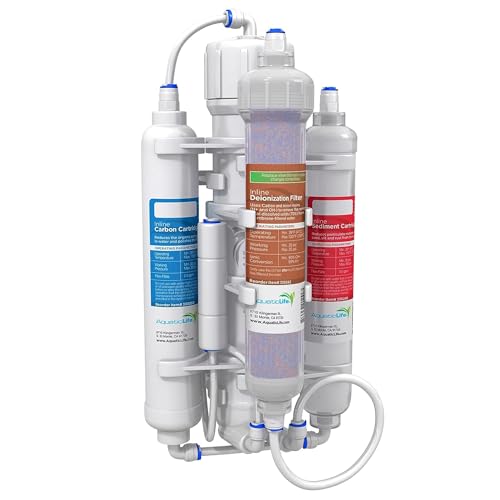
Best for compact hydroponic systems with aquarium-grade filtration needs. This 4-stage unit uses reverse osmosis to deliver clean water for plants and tanks, with a sediment filter to catch dirt and a carbon block to remove chlorine and odors. Note: Chloramines are not removed, so this may require pre-treatment if your water contains chloramines. Suitable for hobbyists who prioritize ease of use and limited space.
Aquatic Life RO Buddie 3-Stage for Hydroponics

This 3-stage system is designed specifically for hydroponic use and can produce up to 75 GPD. It removes up to 98% of total dissolved solids, helping to stabilize nutrient solutions. Best for smaller to medium hydroponic setups where you want efficient filtration without a large footprint. Choose this if you need solid filtration with a modest output and a simpler cartridge setup.
Aquatic Life 5-Stage RO 200 GPD

Best for higher-output hydroponic systems. The 200 GPD RO system provides robust filtration across five stages, capable of removing chlorine, chloramines, heavy metals, and total dissolved solids. The included pre-filters and carbon cartridges facilitate extended membrane life. Better for growers who need substantial water production to keep up with rapid nutrient cycles or multiple grow beds. A potential limitation is higher initial cost and larger footprint compared to smaller RO units.
HydroLogic Evolution RO High Flow

Best for large-scale hydroponics with high water demand. The Evolution RO purifies up to 1,200 GPD, a capability suited for prolific commercial grows or research setups. It uses a high-efficiency design with a waste-to-product ratio option, and a robust filtration stack. Choose this if you need enterprise-grade throughput and can manage a more complex installation. Limitation: higher maintenance and space requirements.
Aquatic Life 4-Stage RO/DI 100 GPD
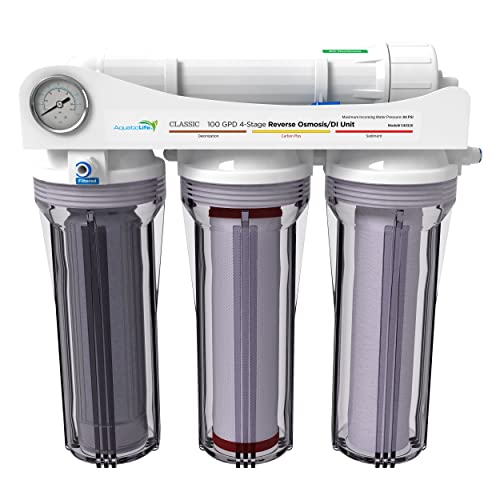
Best for hobbyists who want clean water with deionization. This system combines RO with a DI stage to further reduce ions, delivering consistent water quality for hydroponics. It’s compact enough for smaller grow spaces and easy to install. Caution: DI resin replacement adds ongoing cost and maintenance considerations.
Buying Guide: Key Considerations for Hydroponic RO Systems
- Output vs. space: Higher GPD units provide more water per day but require more space and larger fittings. Match GPD to your grow size and reservoir refill rate.
- Water quality: If your source water contains chloramines, look for systems with chloramine-compatible cartridges or plan to add a dedicated chloramine removal stage.
- Stage composition: A typical multistage RO system includes sediment, carbon, and membrane stages. More stages often mean higher filtration quality but increased cost and maintenance.
- Remineralization: Some hydroponics setups benefit from adding calcium and magnesium back into water. Consider remineralizing options like inline dosing or built-in mineral cartridges if needed.
- Waste water handling: Some systems produce waste water. Evaluate the waste-to-product ratio and consider a model with a 1:1 or 2:1 ratio if water efficiency matters.
- Maintenance: Cartridge and membrane lifespans vary. Plan for regular replacement schedules and keep spare parts on hand to prevent downtime.
Choosing by grow type
- Small grow tents or single-bed setups: A compact, 50–100 GPD unit like the Aquatic Life Buddie 4-Stage is usually sufficient.
- Mid-size home gardens: A 100–200 GPD system, such as the Aquatic Life 5-Stage or 3-Stage Buddie, balances throughput and footprint.
- Commercial or high-demand systems: Large-capacity units like HydroLogic Evolution RO provide high flow for frequent water changes or multiple reservoirs.
Installation tips
- Plan supply and drain lines to minimize bending and kinking of hoses.
- Label cartridges and keep a maintenance log for ease of replacement scheduling.
- Test water quality after installation to verify TDS reduction aligns with your nutrient plan.
FAQ
- Q: Do all RO systems remove chloramines? A: Many do not; some include a dedicated chloramine removal stage. Verify cartridge specifications before purchase.
- Q: How often should membranes be replaced? A: Replacement intervals depend on water quality and usage; follow manufacturer guidelines and monitor water output.
- Q: Is remineralization necessary for hydroponics? A: Some crops benefit from minerals like calcium and magnesium. If your nutrient solution requires specific minerals, plan for remineralization.
- Q: Can RO water be used directly with all hydroponic nutrients? A: Most nutrients are formulated for RO or deionized water, but always verify compatibility with your exact nutrient line.
- Q: What is the advantage of higher GPD units? A: They provide faster water production for larger systems or frequent reservoir changes, reducing wait times.
- Q: Are there safety or installation considerations? A: Use properly rated fittings, avoid cross-threading, and ensure all connections are leak-tested before running.