Answering the needs of vinyl enthusiasts: these record cleaning machines remove dust, fingerprints, and grime while minimizing risk to delicate grooves. The top picks suit different buyers—from casual collectors to audiophiles seeking ultrasonic precision or hands-free operation. This guide compares five proven options, highlighting who benefits most from each model and where to avoid common pitfalls.
| Product | Best For | Key Benefit | Notes |
|---|---|---|---|
| HumminGuru EZ Record Washer | Hands-on but controlled cleaning | Waterproof seal and one-handed operation | Great for traditional, manual cleaning style |
| VEVOR Sonic Cleaner 6L | Bulk cleaning and multiple records | 40KHz ultrasonic power; cleans 6 records at once | Best for larger collections; needs setup |
| Spin-Clean Record Washer Kit | Quiet, non-electric cleaning | Dual-sided cleaning without motors | Simple, affordable, easy to maintain |
| HumminGuru Ultrasonic Vinyl Cleaner HG01 | Audiophile-grade ultrasonic cleaning | 40kHz dual transducers; auto dry cycle | Premium option for careful archival cleaning |
| Studebaker Vinyl Record Cleaning System | Wood cabinet, adjustable rollers | Dual microfiber brushes; 33/45/78 RPM support | Classic design with adaptable cleaning |
Below is a deeper look at each selected model, with concise pros and caveats to help you pick the right fit for your setup.
HumminGuru EZ Record Washer
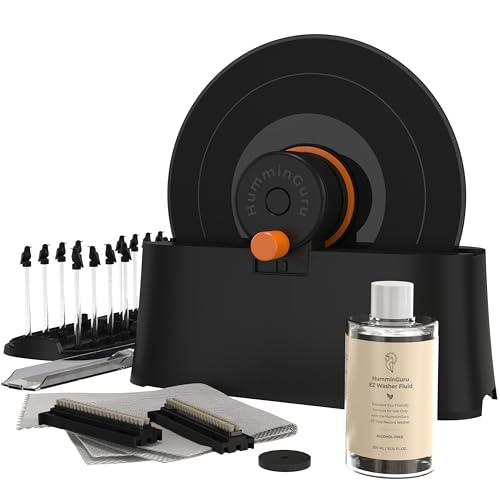
The EZ Record Washer uses a waterproof clamp to secure vinyl during wet cleaning, reducing handling damage. Its goat-hair brushes provide a gentle clean across 1–3 mm record thickness, paired with an alcohol-free cleaning solution. Best for hands-on users who want direct control and a secure seal. A caveat: the manual rotation involves a steady, repetitive motion that may feel slower than automated systems.
VEVOR Sonic Cleaner 6L Ultrasonic Vinyl Cleaner

Designed for multi-record cleaning, this ultrasonic unit features a 6L stainless steel tank and 40KHz transducers capable of handling 7″ to 12″ records. Its adjustable temperature and timer add versatility for different grime levels. The caveat is that ultrasonic cleaners require careful handling to avoid over-cleaning or potential agitation that could affect very fragile pressings.
Spin-Clean Record Washer Kit
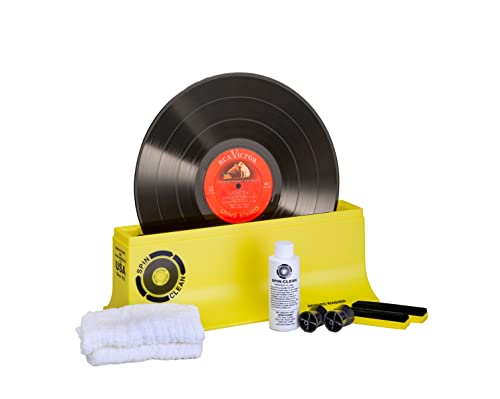
This kit offers dual-sided cleaning without electricity, using snap-in rollers and wedge-fit brushes for stable, hands-off operation. It’s ideal for budget-conscious buyers seeking a quiet, low-maintenance approach. Limitation: manual operation means longer cleaning sessions and requires space for the basin and turntable-friendly setup.
HumminGuru Ultrasonic Vinyl Record Cleaner HG01
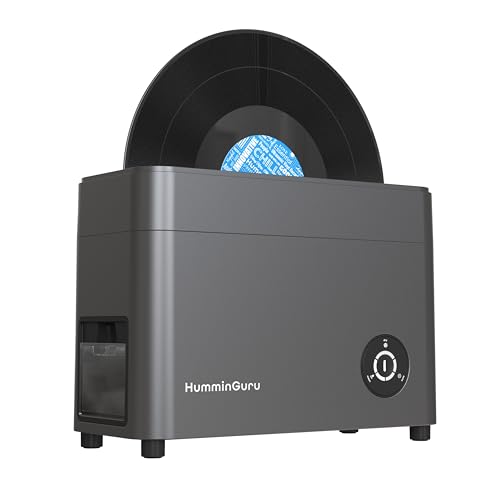
Engineered for high-precision vinyl cleaning, the HG01 uses 40kHz ultrasonic waves with a closed-loop stainless steel basin and auto clean/dry cycles. It’s designed to be eco-conscious, using a small 350 ml basin with a reusable filtration system. Best for archival-grade care and turntable-ready results. A limitation may be its premium price and need for careful operation.
Studebaker Vinyl Record Cleaning System

This system combines a wood cabinet with an adjustable roller setup and dual microfiber brushes to clean both sides of 33/45/78 RPM records. It’s best for collectors who prefer a sturdy, traditional aesthetic and a workflow that cleans both sides simultaneously. Potential drawback: larger footprint and setup time compared to smaller, handheld devices.
Buying Guide: Key Purchase Considerations
- Cleaning method: Do you want manual control, ultrasonic precision, or a passive, non-electric approach?
- Record size and format support: Ensure the machine accommodates 33, 45, and/or 78 RPM as needed.
- Capacity and workflow: Consider how many records you clean at once and how much space you have.
- Maintenance and consumables: Look at brushes, fluids, and filter requirements, plus ease of cleaning.
- Preservation risk: Ultrasonic methods can be very effective but choose models with careful, low-risk cleaning cycles for delicate pressings.
- Budget vs. value: Balance price against durability, ease of use, and how often you plan to use the cleaner.
FAQ
- What type of record cleaner is best for beginners? A simple, non-electric kit like the Spin-Clean is generally beginner-friendly and affordable.
- Do ultrasonic cleaners damage records? When used as directed, high-quality ultrasonic cleaners can safely clean vinyl, but improper settings or aggressive cycles can pose risk to fragile pressings.
- Should I use distilled water or cleaning fluids? Distilled water is common; many kits pair with approved cleaning solutions. Avoid harsh chemicals that can leave residues.
- Can a single cleaner handle a large collection? Ultrasonic cleaners with larger tanks (like 6L) or multi-record systems help manage bigger libraries efficiently.
- Is auto-drying important? Auto dry cycles save time and minimize handling, reducing static and recontamination risks after cleaning.
- What maintenance is required after cleaning? Rinse and dry records as recommended, and clean the basin, brushes, and filters to prevent residue buildup.