If you’re searching for reliable, high-efficiency solar panels, these five options stand out for off-grid living, RV or boat setups, and rooftop systems. This guide highlights each panel’s strengths, who it’s best for, and practical trade-offs so you can compare quickly and decide with confidence. The top picks emphasize N-Type 16BB cells, bifacial or high-efficiency designs, and robust build quality for variable conditions.
Summary table of selected products:
- Callsun N-Type 16BB 400W: Best for high-output dual-module setups with anti-shade technology.
- Renogy 200W Portable Solar Panel: Best for mobile, compact storage with easy transport.
- SOKIOVOLA 220W Portable Panel: Best for rugged outdoor use with IP68 waterproofing.
- Renogy 100W N-Type 16BB: Best for smaller installations needing solid efficiency.
- ECOBOSS 100W N-Type 16BB: Best for balanced efficiency and heat tolerance in varied conditions.
Callsun N-Type 16BB 400W Dual-Module Panel

Callsun’s 400W dual-module panel uses N-Type 16BB cells with a bifacial design and anti-shade technology. Best for: homeowners or RV setups needing maximum output in constrained roof space, especially where shading is a risk. The two independent halves maintain energy generation when part of the panel is shaded. Caution: heavier weight may require sturdy mounting for wind-prone locations.
Renogy 200W Portable Solar Panel
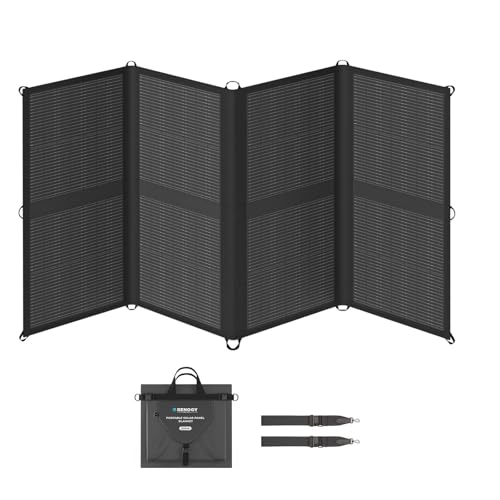
Renogy’s 200W portable panel emphasizes portability with an ultra-light foldable design. Best for: campers, SUVs, and tight RV spaces where you need to move or store the panel easily. It uses 16BB N-Type cells delivering up to 25% efficiency, outperforming many standard panels in compact form. Caution: folding mechanisms and hinge areas may require careful handling to preserve long-term durability.
SOKIOVOLA 220W Foldable Portable Panel
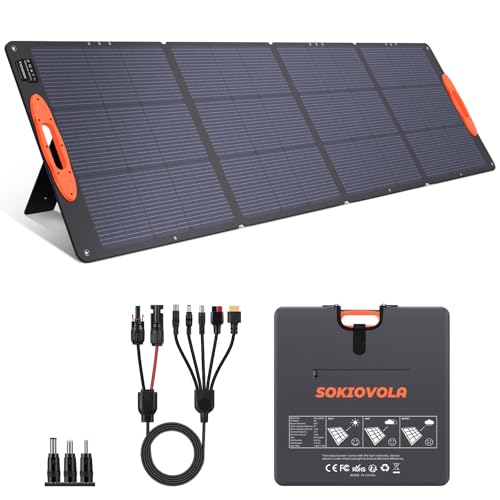
SOKIOVOLA offers a 220W foldable option with IP68 waterproof coating and ETFE protection. Best for: outdoor enthusiasts and RV users needing robust weather resistance and reliable performance in varied conditions. It folds compactly for travel and comes with easy attachment points for RV mounting. Caution: the weight is higher than ultra-light models, which can affect ease of setup on smaller vehicles.
Renogy 100W N-Type Solar Panel

Renogy’s 100W N-Type panel uses 16BB cells for higher efficiency and durability. Best for: smaller rooftop setups or garage installations where space is limited but consistent daily output is needed. It offers better performance in heat compared with older P-type panels. Caution: 100W is moderate for large off-grid arrays; plan for higher wattage if energy demand is substantial.
ECOBOSS 100W N-Type 16BB Panel

ECOBOSS pairs TÜV certification with 25.8% efficiency from N-Type 16BB cells. Best for: budget-conscious buyers who still want high efficiency and certified design durability for RV, marine, or rooftop use. Caution: 100W may require multiple panels to meet higher energy needs; verify mounting space and wiring compatibility.
Introduction: The Buyer’s Quick Guide
Choosing the right solar panel depends on your space, energy goals, and environment. If you need maximum output from a compact roof, the Callsun 400W dual-module option offers superior power and shading resilience. For portable, on-the-go charging, Renogy and SOKIOVOLA provide versatile options with easy transport and rugged design. For smaller installations or budget-friendly setups, Renogy 100W and ECOBOSS 100W deliver solid efficiency with reliable construction. Consider efficiency, weight, mounting compatibility, and climate when selecting the best fit.
Buying Guide: What To Consider When Choosing Solar Panels
- Efficiency and cell type: N-Type 16BB cells offer higher efficiency and fewer hotspots, improving long-term performance in hot climates.
- Panel format: Fixed rooftop panels vs. portable foldable options suit different installations and travel needs.
- Shading tolerance: Dual-module or bifacial designs can mitigate partial shading and maintain energy output.
- Durability and weather resistance: Look for IP ratings, ETFE or tough backsheets for marine or outdoor use.
- Weight and size: Heavier, larger panels require stronger mounting and support structures; lighter panels are easier to install on smaller rigs.
- Certifications and standards: TÜV or UL/IEC compliance supports design durability and safety claims.
- System compatibility: Ensure voltage, wiring, and mounting hardware align with your existing or planned off-grid system.
Matched Buying Scenarios
- Best for tiny RV roofs: Portable 100W or 200W panels that fold or hinge for storage.
- Best for off-grid homesteads: Higher wattage fixed panels with bifacial capability to maximize space.
- Best for marine use: Panels with IP68 protection and robust ETFE housings to withstand spray and corrosion.
FAQ
- What is the advantage of N-Type 16BB cells?
They offer higher efficiency, reduced hot spots, and longer lifespans compared with traditional P-type cells. - Are portable solar panels suitable for RVs?
Yes, portable panels are ideal for RVs when you need flexibility, quick setup, and stowage efficiency. - Why would I choose a bifacial panel?
Bifacial panels capture light from the rear, potentially increasing total output, especially with reflective surfaces. - What should I consider for marine installations?
Look for waterproofing, corrosion resistance, and sturdy mounting suitable for exposure to salt spray and waves. - Is 100W enough for an off-grid cabin?
It depends on your energy demand; 100W is suitable for small loads or supplementing larger arrays. - How important is certification?
Certifications ensure the panel meets safety and performance standards for reliable operation.