Looking for the best portrait-ready results from a smartphone? A stable tripod, a telephoto or macro lens, and a versatile grip can transform everyday photos into professional-looking portraits. This guide highlights five top Amazon picks that suit different buyers—from vloggers and travel shooters to casual pose-focused photographers and content creators. Each option is chosen for strength in portrait work, ease of use, and compatibility with common phone sizes.
| Product | Best For |
|---|---|
| VIMOSE 66″ Phone Tripod | Steady overhead and full-body portraits; versatile for angles |
| APEXEL 2X 50mm Portrait Master Telephoto Lens | Natural-looking portrait depth and sharp detail |
| Phone Camera Lens Kit 10 in 1 (Bostionye) | Creative lens variety for dynamic portrait scenes |
| Ergonomic Smartphone Vlogging Hand Grip | On-the-go handheld portrait shooting with stabilization |
| MIAO LAB 2X Telephoto Portrait Master Lens | Professional-quality depth and bokeh for portraits |
Buyer notes: The products below cover a range of portrait-focused needs, from stable setups and high-clarity lenses to flexible handheld grips and comprehensive lens kits. Consider the shooting style you prefer—static studio-like portraits, on-the-move street portraits, or creative outdoor scenes—when selecting your gear.
VIMOSE 66″ Phone Tripod For Portrait Shots
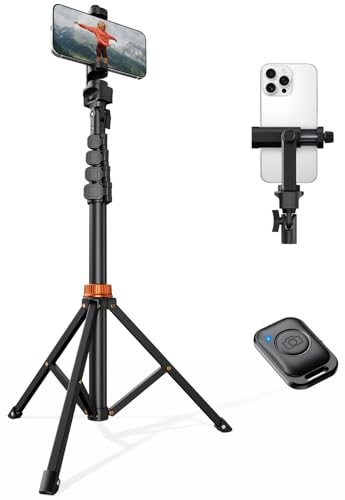
This 66-inch aluminum tripod offers a tri-functional design that combines a sturdy base, a telescoping arm, and a multi-angle phone holder. It’s ideal for overhead product shots and full-body portraits, making it a strong choice for content creators who need reliable stability in varied environments. The precision locking flanges allow instant transitions between portrait, landscape, and 45° angles, reducing setup time on location. A built-in cold-shoe slot supports additional accessories such as LED panels or microphones, broadening portrait lighting options. Best for: vloggers, remote shoots, and home studios where flexibility and stability matter. Caution: heavier setups may require careful handling to prevent tipping on soft surfaces.
Who it’s best for: This tripod suits photographers who frequently shoot at multiple heights and angles, especially portrait sessions that benefit from elevated or angled compositions. It’s also a practical option for beginners seeking a dependable first tripod with room to grow.
APEXEL 2X 50mm Portrait Master Telephoto Lens

This lens provides true 2X optical magnification with a 50mm focal length that mirrors natural human vision. It preserves full resolution without upscaling or artificial sharpening, helping skin tones and details stay accurate. The F1.05 ultra-large aperture collects substantial light, improving performance in low-light portrait scenes and delivering a genuine depth of field with natural-looking background separation. Best for: portrait shooters who want crisp subject detail and authentic bokeh without software tricks. Limitation: compatibility depends on your phone’s clip and mount; ensure you have the right adapter for your model.
Who it’s best for: Photographers seeking a high-quality portrait lens that preserves natural perspective and provides strong low-light performance for on- the-go portrait sessions or creative studio-like looks.
Phone Camera Lens Kit 10 In 1 (Bostionye)
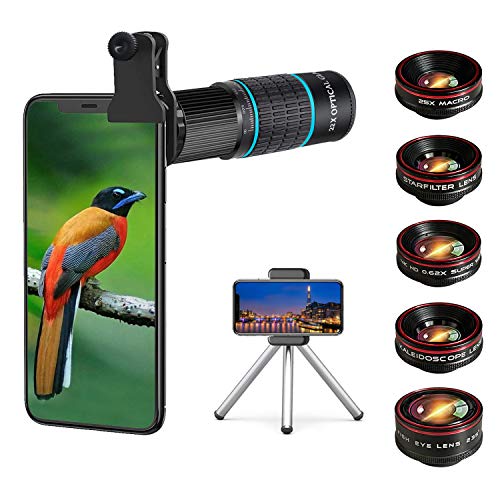
The 10-in-1 kit covers a broad range of creative options: 22x telephoto, 0.62x wide, 25x macro, 235° fisheye, kaleidoscope, starlight filter, and more, plus a universal clip and tripod. This versatility supports dynamic portrait setups—from tight headshots to environmental portraits and artistic angles. Best for: hobbyists who want a single kit that expands portrait possibilities without buying multiple lenses. Limitation: some lenses can vignette or require careful alignment with your phone camera for best edge-to-edge sharpness.
Who it’s best for: Those exploring creative portrait photography who value a wide array of effects and want a compact, all-in-one travel kit.
Ergonomic Smartphone Vlogging Hand Grip

This handheld stabilizer provides an ergonomic, finger-shaped grip designed to reduce hand vibration. It supports a wide range of phone widths (60-100mm) and enables easy portrait or landscape shooting. A top shoe-knob design allows attachment of a video light or microphone to improve portrait lighting and audio quality. Best for: mobile vloggers and social creators who need stable handheld shots and a comfortable grip for extended sessions. Limitation: while great for motion, it does not replace a tripod for long-exposure or stationary portraits in low light.
Who it’s best for: Portrait enthusiasts who prefer on-the-move shooting or must capture scenes without a tripod, such as street portraits and events.
MIAO LAB 2X Telephoto Portrait Master Lens

This 2X telephoto portrait lens uses a 50mm equivalent focal length and delivers natural facial proportions with minimal distortion. Its F1.05 aperture enables strong low-light performance and a creamy background blur, enhancing subject separation in portraits. The lens features a premium optical design with nano AR coating to reduce flare and maintain color accuracy. Best for: portrait shooters who want a classic, flattering perspective with excellent bokeh. Limitation: results depend on accurate alignment with the phone camera; use the universal clip correctly for optimal sharpness.
Who it’s best for: Photographers seeking a reliable, high-quality portrait lens with strong low-light capability and authentic depth effects.
Buying Guide: Portrait-Ready Phone Gear
What to consider when building a portrait-focused phone setup:
- Stability matters: Choose a tripod or a grip that matches your shooting style. If you shoot from fixed positions, prioritize a sturdy base and adjustable heights; if you move often, a handheld grip with stabilization can be a better fit.
- Lens choice: For flattering portraits, classic 50mm or near-50mm equivalents reduce distortion and deliver natural perspective. Optical zoom (not digital) helps maintain detail and subject separation.
- Lighting: Light quality dramatically affects portraits. Lens kits with a cold-shoe adapter enable an on-camera light or mic, while external lights greatly improve edge lighting and catchlights in eyes.
- Compatibility: Ensure lenses and clips fit your phone model and protective case. Some clips require removal of bulky cases for optimal alignment.
- Portability: Consider travel-friendly kits if you shoot on location. A single multi-lens kit can cover many portrait scenarios, but weight and bulk matter for daily carry.
- Usage scenarios: Static studio-like portraits benefit from a tripod with precise angle control, while street and travel portraits often benefit from versatile grips and longer lenses for depth and context.
Frequently Asked Questions
- What is the best focal length for smartphone portraits?
The near-50mm range on full-frame terms (roughly 25-50mm on phones) provides natural facial proportions with pleasing compression. - Do telephoto lens attachments improve portrait quality on phones?
Yes, telephoto lenses help with subject separation and reduce distortion, especially for head-and-shoulders portraits. - Is a tripod necessary for portrait photography with a phone?
Tripods offer stability for sharp images and consistent framing, particularly in low light or long-exposure scenarios. - Can I use phone lens kits with most devices?
Most clip-on kits fit a wide range of smartphones, but check compatibility with your model’s camera layout and case. - What lighting setup works best for portrait selfies?
A soft key light placed at a 45-degree angle plus a fill light can reduce shadows and add depth to portraits. - Are optical lenses better than software portrait modes?
Optical lenses preserve true details and textures, while software modes simulate depth; optical approaches tend to be more authentic.