Answering the need for precise, trackable pitch-shifting and harmonizing, these top pitch shifter pedals are selected for players seeking studio-like flexibility on stage or in the studio. The top picks cover polyphonic shifting, octave down, detune textures, and easy-latching or momentary modes. Ideal buyers include working guitarists chasing harmonized tones, bassists needing down-tune options, and experimental players exploring new sonic textures. Below is a quick overview of five strong options and what sets them apart.
| Product | Best For | Key Strength |
|---|---|---|
| LEKATO Mini Pitch Shifter Pedal | Guitarists seeking compact versatility | Three modes: Harmony, Pitch Shift, Detune; 16 parameters |
| Digitech DROP Compact Polyphonic Drop Tune | Players needing reliable polyphonic down-tunes | Down 1 to 7 semitones; true bypass |
| Donner Octave Guitar Pedal | Budget-minded players with broad tonal options | 7 shift types, 3 tone modes, wet/dry control |
| BOSS XS-1 Poly Shifter | Rigs requiring premium pitch-shifting | Advanced algorithms, natural feel |
| Electro-Harmonix Pitch Fork | Creative players exploring variable intervals | Three shift modes, 11-position transposition |
LEKATO Mini Pitch Shifter Pedal
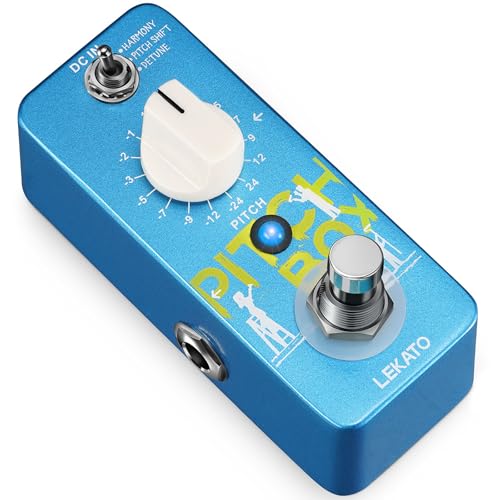
The LEKATO Mini Pitch Shifter offers three versatile modes: Harmony, Pitch Shift, and Detune. Harmony shifts tones up or down by two octaves for lush, layered sounds. Pitch Shift provides full-wet output for quick tuning and creative modulation, while Detune adds subtle texture to the signal. This compact pedal suits guitarists who want polyphonic capability without sacrificing space in their pedalboard. It supports a ±2 octave pitch range with 16 customizable parameters for deep tailoring.
Best for: Players needing a compact, feature-rich harmonizer with flexible detune options. Limitations: As a compact pedal, it may not offer the same sprawling control surface as larger multi-effect units.
Digitech DROP Compact Polyphonic Drop Tune

This Digitech DROP model is a polyphonic drop-tune pedal with momentary and latch switching. It provides downward pitch shifts in semitone steps from 1 to 7 semitones, plus two additional settings that enable octave-down shifting with or without the dry signal. True-bypass switching helps preserve your tone when the effect is bypassed. It’s an excellent choice for players who need reliable, straightforward down-tuning on stage or in the studio.
Best for: Musicians who frequently drop tuning for rhythm or riff-based playing. Limitations: The primary focus is downward pitch shifting; it lacks some advanced harmonizing options found in higher-end units.
DigiTech DROP Compact Polyphonic Drop Tune Pitch-Shifter

Another DigiTech DROP option focuses on polyphonic pitch-shifting with a downward range from 1 semitone to a full octave. It supports momentary or latching operation and uses true bypass to minimize tone loss. This model is similar in purpose to the other DROP variant but may appeal to players who prefer distinct form factor or interface nuances. It’s best for players who need dependable drop-tune capability with simple on/off control.
Best for: Players who want a straightforward polyphonic drop-tune with clear momentary/latching options. Limitations: Fewer shifting modes beyond downward semitones compared to some harmonizers.
Donner Octave Guitar Pedal

The Donner Octave Guitar Pedal presents 7 shift types across three tone modes and a 21-option combination space. Tone modes include Sharp (pitch up), Flat (pitch down), and Detune (up to a subtle shift). Wet and Dry controls let players balance the harmonic signal with the unaffected signal. This pedal is well-suited for players who want broad tonal options in a compact, budget-friendly package.
Best for: Players exploring a wide palette of octave and detune effects without spending top-tier money. Limitations: The interface may require a bit of experimentation to dial in exact tones for difficult songs.
Mooer Drop Pitch Harmonizer – MPS1
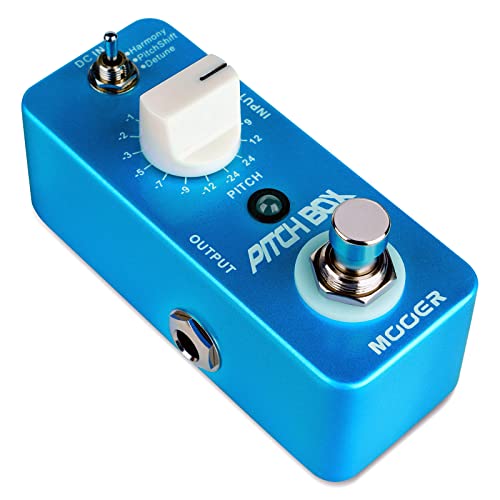
The Mooer Drop Pitch Harmonizer (sold under Camola in listing data) provides three modes: Harmony, Pitch Shift, and Detune. It offers precise polyphonic pitch shifting with a ±2 octave range and 16 optional parameters. This pedal is ideal for players seeking a compact, feature-rich harmonizer with strong polyphonic capability for complex chord shapes.
Best for: Players who want a compact harmonizer with rich pitch-shifting options and subtle detune textures. Limitations: Some users may prefer a more robust build or a more widely supported brand ecosystem for live use.
BOSS XS-1 Poly Shifter

The BOSS XS-1 Poly Shifter delivers class-leading pitch-shifting with BOSS’s modern algorithms for clean, natural-sounding results. It supports instant pitch changes for guitar, bass, or other instruments and preserves the instrument’s fundamental sound character. This pedal is particularly suitable for players who demand precise tracking and a premium feel on stage.
Best for: Pro or gigging players who need dependable, high-quality pitch shifting with a natural response. Limitations: Higher price point relative to entry-level models.
Electro-Harmonix Pitch Fork

The Electro-Harmonix Pitch Fork polyphonic pitch shift pedal offers three shift modes: up, down, or dual. An 11-position Shift knob determines the transposition interval, while an EXP input allows control via an optional expression pedal for real-time performance nuances. This pedal is designed for performers who want a versatile, hands-on control surface during live sets or studio sessions.
Best for: Players seeking a versatile, expressive pitch-shifting experience with external control capability. Limitations: The wide range of options can require a learning curve to dial in favorite settings quickly.
Buying Guide: Key Considerations For Choosing A Pitch Shifter Pedal
What pitch range do you need? Do you want down-tuning, harmony, detune textures, or a combination? Look for a ±2 octave range for broad versatility, and check whether the pedal supports polyphonic tracking for chords or only monophonic lines.
What switching mode matters? Momentary vs. latch, true bypass vs. buffered, and whether you need expression-pedal compatibility influence live usability. For live gigs, true bypass helps preserve your tone when the effect is off.
How many control options are essential? More parameters offer deeper customization, but can complicate quick-live adjustments. Decide if you value 16 or more adjustable parameters, or prefer simpler, easy-to-tune controls.
Are there any compatibility considerations? If you use a specific rig or pedalboard, confirm how the pedal integrates with your signal chain, especially if you rely on multi-effect setups or specific power requirements.
What is your budget? Don’t overlook build quality, brand ecosystem, and after-sales support. Premium brands often provide consistent performance and better long-term reliability, while budget options deliver essential features for experimentation.
FAQ
- What is a pitch shifter pedal best used for? It alters the pitch of your instrument signal to create harmonized parts, octave shifts, detuned textures, or down-tuned riffs, enabling new tonal landscapes without changing tuning manually.
- Can these pedals handle polyphonic chord shifting? Yes, several models advertise polyphonic pitch shifting, which allows simultaneous shifting of multiple notes in a chord.
- Do I need true bypass? True bypass preserves tone when the pedal is not engaged, which is beneficial for signal path clarity in many rigs.
- Is detune a common feature? Yes, detune adds very small pitch differences to create a natural chorus-like or chorus-harmonic texture.
- Should I choose a dedicated drop-tune pedal or a harmonizer? If you need deep drop tuning for riffs and heavier riffs, a dedicated drop-tune pedal can be ideal; for richer harmonies, a harmonizer with multiple modes may be better.
- How important is brand reputation? Higher-reputation brands often offer more predictable performance and reliability in touring environments, but many budget options provide solid core functionality for practice and small gigs.