Many homes benefit from multi zone heating, allowing distinct temperatures in different rooms or areas. This guide highlights five reliable options and explains who they’re best for, along with clear buying considerations. Whether you’re upgrading an existing HVAC system or installing a new zoned setup, these products offer versatile compatibility, energy savings, and straightforward installation paths.
| Product | Zoning Capacity | Best For |
|---|---|---|
| SmartZone-4X Control – 4 zone | Up to 20 zones | Larger homes needing flexible universal replacement |
| COSTWAY 28K Tri 3 Zone | 3 zones | Medium-to-large rooms with strong control and energy savings |
| SmartZone-2 | 2 zones | Smaller homes or apartments requiring simple zoning |
| Temprium 28K BTU Dual Zone | 3 zones | Homeowners needing robust inverter zoning and cold-weather performance |
| Albott Mini Split AC/Heating (20,000 BTU) | 2 zones | Two-room setups with independent control and high efficiency |
All selections below are positioned for straightforward installation, clear compatibility, and practical, buyer-friendly features. Each product section explains who it’s best for, why it was selected, and a concise caution to consider before purchase.
SmartZone-4X Control – 4 Zone Kit

The SmartZone-4X is designed as a universal replacement for common zoning panels. It supports up to 4 zones and can manage up to 20 zones in larger installations via expansion. It works with gas, electric, or heat pump systems and accepts a variety of thermostats, including Nest, Ecobee, and Honeywell. Best for homeowners upgrading older zoning panels or integrating mixed-technology systems in larger homes. Caution: verify compatibility with your existing thermostat ecosystem and wiring before purchase.
COSTWAY 28K Tri 3 Zone Mini Split

This 3-zone mini split system targets medium-to-large rooms with room-by-room control. The 20 SEER2 inverter design delivers energy-saving performance and quick temperature stabilization. It’s ideal for homes needing distinct climate zones without extensive ductwork. Caution: external dimensions and installation clearances may affect mounting space and require professional setup for best results.
SmartZone-2: 2-Zone Controller Kit
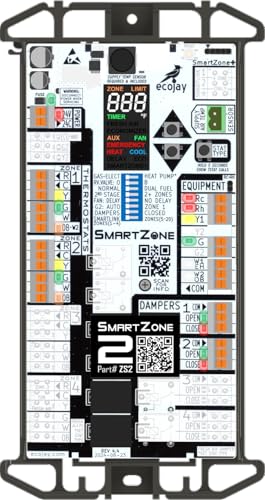
The SmartZone-2 provides a compact solution for two zones and includes a supply air temperature sensor. It supports single-stage cooling and two-stage heat equipment, aligning with many standard HVAC configurations. Best for small homes or apartments where a simple, reliable zoning option is needed. Caution: check that your current equipment supports two-stage heating if you plan to upgrade later.
Temprium 28K BTU Dual Zone System

Temprium’s 28K BTU dual-zone package supports three zones through a single outdoor unit. It features 21 SEER2 efficiency, an inverter compressor, and a wide operating temperature range, including very cold winters. Best for homes needing strong performance in extreme weather with flexible zoning. Caution: ensure you have appropriate line length for refrigerant connections and observe refrigerant charge requirements during installation.
Albott Mini Split 20,000 BTU, 2 Zones

This Albott system delivers up to 25 SEER2 efficiency with inverter technology and independent room control for two zones. It includes pre-charged condenser and long line set options for flexible installation. Best for two-room setups or a smaller home where separate zones are needed. Caution: performance can vary with extreme outdoor temperatures; verify outdoor-unit compatibility with your climate zone.
Buying Guide: Key Considerations for Choosing a Multi Zone System
What should you consider when choosing a multi zone heating control system? Start with your home layout, climate, and current HVAC equipment. Assess whether you need a simple two-zone setup or a more expansive network of zones that require universal compatibility or inverter-driven efficiency.
How many zones do you actually need?
Count the distinct living areas you want to temperature-control. If your home has long open-concept spaces, you may still benefit from zoning in key rooms. Choose a system that matches or exceeds your plan to avoid upgrading again soon.
What is the best compatibility approach?
With many thermostats available, look for systems that support popular brands (Nest, Ecobee, Honeywell, Sensi, etc.). This helps you avoid lock-in and makes future thermostat choices easier.
Which performance features matter?
Consider inverter technology, SEER ratings, and extreme-weather capability. Inverter-driven units adjust refrigerant flow for steady comfort and potential energy savings, while high SEER ratings indicate efficient cooling and heating.
Installation practicality
Evaluate whether a system requires extensive ductwork or can operate as a ductless mini split. Inline sensors and easy-to-use control panels simplify setup, but professional installation may be needed for optimal performance and warranty adherence.
Reliability and support
Choose brands with documented support for multi-zone configurations. Look for robust control panels, simple wiring, and clear LED indicators that help diagnose issues quickly.
Cost of ownership
Beyond initial purchase, calculate energy use, potential rebates, and maintenance. Inverter systems often offer long-term energy savings despite a higher upfront cost.
FAQ
- Do I need ductwork for multi zone systems? Not necessarily. Some systems are ductless mini splits that provide multiple indoor units without ducts, while others require ductwork for centralized zoning.
- Can I mix thermostat brands with a single zoning panel? Many zoning controllers are designed for universal compatibility, but confirm compatibility with your thermostat lineup to ensure reliable operation.
- How many zones should I start with? Start with 2–3 zones in smaller homes, then expand if you need more localized control or energy savings.
- Is inverter technology worth it? Inverter-driven systems adjust output gradually, improving comfort and efficiency compared with fixed-speed units, especially in variable climates.
- What maintenance is required? Regular inspections, filter cleaning, and ensuring outdoor units are clear of debris help maintain efficiency and longevity.
- Are these systems suitable for heating in very cold climates? Some units list operation down to low Fahrenheit temperatures, but performance can vary by brand and model. Check spec ranges for your climate.