For multi-day backpacks, your best choices balance capacity, comfort, and durability. This guide highlights five top options, each well-suited for longer trips, varied terrain, and differing body types. The buyers below range from budget-friendly to feature-rich expedition packs, helping you pick the right pack for your next backcountry adventure.
| Product | Capacity | Best For | Why It Stands Out |
|---|---|---|---|
| Mardingtop 70L Military Internal Frame Backpack | 70L | Longer trips, customizable fit | Large capacity with MOLLE system and water bladder support; adjustable torso and hip belt for a comfortable, customizable fit. |
| TETON Sports 65L Explorer Olive | 65L | Balanced performance | Feature-rich at a reasonable price; multi-position torso adjustment and open-cell foam lumbar support. |
| Kelty Coyote 60-105L Internal Frame | 60-105L | Heavy gear, hiking and travel | Fully adjustable perimeter frame with multiple pockets and expandable capacity for longer trips. |
| Osprey Atmos AG 65L | 65L | Premium comfort, long hauls | Innovative suspension system with tensioned backpanel and integrated raincover; excellent weight distribution. |
| Bseash 60L Hiking Camping Backpack | 60L | Value-friendly everyday trips | Ergonomic design with breathable back panel, multiple compartments, and adjustable straps for ventilation. |
Mardingtop 70L Military Internal Frame Backpack

Best for serious trekkers who need substantial cargo space and a modular layout. The 70L capacity supports extended trips with room for a hydration bladder, clothing, food, and a few extras. The pack uses a 600D polyester build with YKK zippers and includes a rain cover, making it suitable for varied weather. Its multi-position torso adjustment and adjustable sternum strap plus hip belt are designed to fit a wide range of body sizes, which is ideal for travelers with varying equipment needs.
Who it’s best for: hikers who carry a lot and want a configurable fit. Why selected: it offers ample space, MOLLE attachment points for gear, and a robust internal frame for stability. Caution: heavier loads may feel bulky on shorter torsos, so proper adjustment is essential to prevent shoulder fatigue.
TETON Sports 65L Explorer Olive

Best for versatile users who want a durable, all-rounder pack. This 65L option is adjustable to fit medium and tall adventurers with a padded lumbar area and molded channels for airflow. It’s a balanced choice for beginners advancing to longer trips or seasoned hikers needing reliable comfort without premium pricing. The pack is described as durable and capable of handling varying adventures with a hydration pocket and a torso-adjustment feature.
Who it’s best for: hikers seeking a reliable multi-use pack at a solid price. Why selected: strong comfort features and a flexible size range. Caution: not the lightest option for ultra-distance hikers, so weight should be managed when on day-plus itineraries.
TETON Sports 65L Explorer Graphite
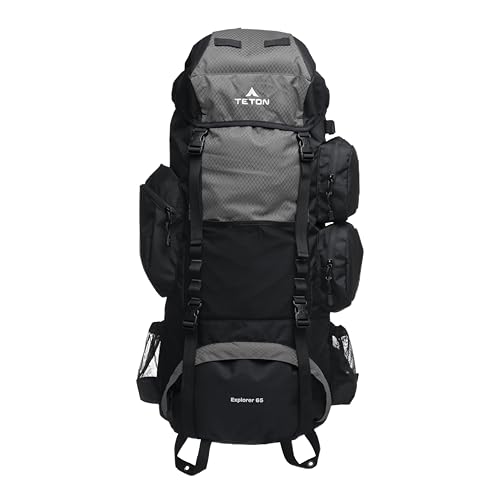
Best for travelers who want consistency across colors and sizes with similar features. The graphite variant mirrors the Olive in capacity and comfort, offering multi-position torso adjustment and a breathable lumbar pad for airflow. This makes it suitable for longer hikes where you want consistent support, with a hydraton pocket and durable frame for stability on uneven terrain.
Who it’s best for: explorers who value a proven design with consistent performance. Why selected: it provides the same comfort and adjustability as other Explorer models, helping plan multi-day treks with different loadouts. Caution: ensure proper fit for shorter torsos to avoid undue shoulder strain.
TETON Sports 55L Scout Internal Frame

Best for lighter multi-day trips or shorter excursions where a smaller profile is preferred. The 55L Scout remains feature-rich with adjustable torso positions and a comfortable foam lumbar area, making it adaptable for both novice hikers and seasoned trekkers who want a lighter carry. Hydration pocket is included, and the design emphasizes airflow to reduce fatigue on longer climbs.
Who it’s best for: those who want a compact, balanced pack without excess bulk. Why selected: a strong option for shorter extended trips or for hikers who prioritize maneuverability. Caution: lower capacity may require more frequent resupply and gear optimization on longer routes.
Osprey Atmos AG 65L

Best for long-haul backpacking where comfort and support are the priority. The Atmos AG 65L uses an anti-gravity style suspension with adjustable tension and a load-supporting design. An integrated raincover provides weather protection, and the backpanel is engineered to reduce sweating during steep ascents. It’s a premium option for serious trekkers who carry heavier loads across multiple days.
Who it’s best for: hikers who want top-tier support on extended trips. Why selected: exceptional weight distribution and ventilation, which help maintain comfort over long days. Caution: premium price may be a consideration for budget-conscious buyers.
Kelty Coyote 60-105L Internal Frame
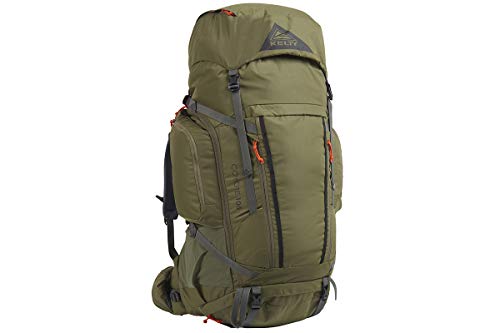
Best for travelers needing expansion capability and robust organization. The Coyote 105L capacity accommodates extensive gear, while the 60-105L range supports different trip lengths. It features a dedicated hydration pouch and an advanced perimeter frame for stability. The design emphasizes pockets and accessibility for efficient packing and retrieval on the trail.
Who it’s best for: adventurers who require scalable capacity with durable construction. Why selected: high versatility across trip durations and gear lists. Caution: larger sizes may feel heavier when fully loaded and require proper fit to avoid back strain.
Buying Guide: How to Choose a Multi Day Backpack
- Capacity needs: For 2- to 4-day trips, 50–65L is common; for 4–7 days or variable climates, 65–105L offers flexibility. Consider how often you resupply and the weather gear you’ll carry.
- Fit and comfort: Look for torso-length adjustment, hip belts, and breathable back panels. A proper fit reduces shoulder fatigue and improves weight transfer to the hips.
- Frame type: Internal frames stabilize heavier loads; external frames can offer easier access to gear. Choose based on how you pack and where you hike.
- Weather protection: Rain covers and water-resistive materials help protect gear in wet climates. Confirm whether a rain cover is included or sold separately.
- Organization and accessibility: Multiple pockets, hydration sleeves, and MOLLE compatibility can improve packing efficiency and gear access on the trail.
- Durability and materials: 600D or higher fabrics with robust zippers and reinforced stitching extend pack life in rugged terrain.
- Weight vs. capacity: Heavier packs may be sturdier but slower on long approaches. Balance weight with capacity to match your trip length.
FAQ
- What capacity is best for a 3–4 day trip? A 60–70L pack typically provides adequate space for clothing, food, and gear with some flexibility for weather changes.
- Do these packs come with rain covers? Several models include rain covers, while others offer rain protection as an add-on or built-in feature. Check product details for each model.
- Is an internal frame better than an external frame? Internal frames stabilize heavier loads and improve balance, whereas external frames can offer easier access to gear. Choose based on your packing style and terrain.
- How important is torso length adjustment? Very important. Proper torso-fit ensures the pack sits on your hips and reduces shoulder strain during long hikes.
- Can I use a 60L pack for winter trips? Yes, but you may need to optimize packing space and packing list to ensure you fit warm layers and a larger shelter system within the capacity.
- Are these packs suitable for beginners? Many are; look for models with straightforward adjustment systems and clear hydration pockets to ease new users into multi-day treks.