When selecting a monopod for wildlife photography, the goal is a balance between stability, weight, and reach. The top products listed here are suited for hiking, tree-line treelines, and open savannas, offering strong support, easy height adjustment, and compact storage. The buyers best served include wildlife enthusiasts, travel photographers, and field reporters who need quick setup and reliable framing without lugging a heavy tripod. Below is a quick comparison of five strong options, followed by in-depth sections for each product and a practical buying guide.
| Product | Best For | Height Range | Weight |
|---|---|---|---|
| SmallRig 65.6″/ 166.5cm Carbon Fiber Monopod | Tall subjects, rugged outdoor shoots | 65.6 in | 3.80 lb |
| ULANZI TB12 61-Inch | Travel-heavy wildlife and quick grabs | 61 in | 0.83 lb |
| Sirui P-326 6 Section Carbon Fiber | Lightweight, steady support | Variable | ~1.1 lb |
| Manbily Aluminum Monopod (61″/ 15.7″ folded) | Budget travel and field use | 61 in | 1.1 lb |
| NEEWER Extendable Monopod with Stand Base | Versatile base option for rugged terrain | 66 in | Varies |
SmallRig 65.6″/ Carbon Fiber Monopod With Ball Head

The SmallRig monopod combines high-strength carbon fiber with a four-section design for extended reach and compact storage. It’s ideal for tall wildlife subjects and low-angled shots when a stable base matters. The one-touch height adjustment provides rapid setup with one hand, keeping you ready for sudden animal movement. Best for photographers needing a sturdy, portable option in demanding outdoor environments. Limitation: relatively heavier than some aluminum options, which may matter on long hikes.
ULANZI TB12 61-Inch Monopod

The Ulanzi TB12 offers a highly portable aluminum monopod with a maximum height of 61 inches and a light weight of about 0.83 pounds. It supports up to 5 kg (11 lbs), making it suitable for compact cameras or mirrorless bodies with small lenses. It folds compactly to fit into carry-ons, making it ideal for wildlife trips and travel. Best for hikers and birdwatchers who need a quick, easy-to-carry support. Caution: aluminum build may feel less damped on rough terrain compared to carbon fiber.
Sirui P-326 6 Section Carbon Fiber
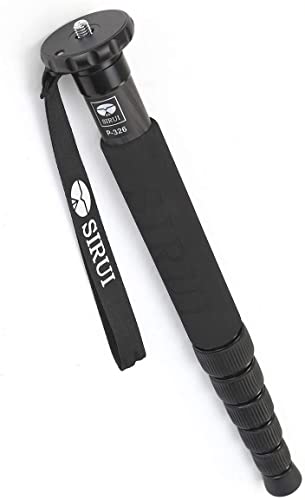
The Sirui P-326 uses 8x carbon fiber for lightness and strength across six sections. It includes a reversible 1/4″-20 & 3/8″-16 screw on the mounting plate, plus a wrist strap and grip for comfortable use in the field. It’s a good choice for lightweight wildlife shoots where sensor stability is crucial and you want quick breakdown for travel. Limitation: fewer built-in features than some premium models; rely on a camera head for fine control.
Manbily Aluminum Monopod With Walking Stick Handle

This Manbily model combines aluminum strength with a foldable, travel-friendly design. Weighing about 1.1 pounds and folding to 15.7 inches, it’s a strong option for wildlife photography on the go. It features a reinforced mounting platform and a reversible screw on top, enabling compatibility with various cameras and accessories. Best for budget-conscious wildlife shooters who still need solid stability. Limitation: aluminum construction may transmit more vibration than carbon fiber on rough ground.
NEEWER Extendable Monopod With Stand Base
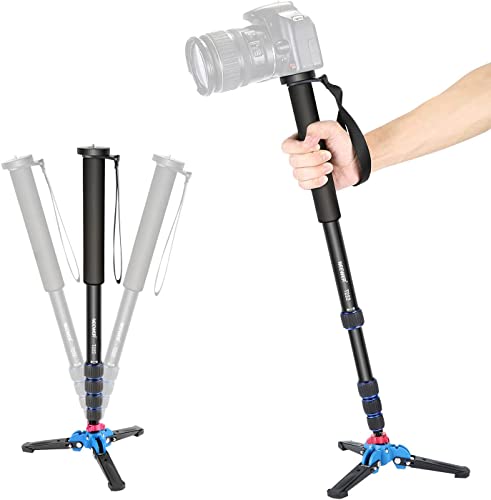
The NEEWER kit includes a detachable and foldable stand base, offering extra stability on uneven ground. The monopod extends up to 66 inches and folds to about 20.5 inches, with a 5-section leg system. This setup is practical for wildlife work where you want a stable low-position shot or a tabletop base for field studios. Caution: the base adds bulk, which reduces portability compared to stand-alone monopods.
Buying Guide: Key Considerations for Wildlife Monopods
- Height and reach: Choose a model that extends tall enough for animal portraits or landscape framing without excessive tilt.
- Weight and portability: Carbon fiber offers strength with lighter weight; aluminum is heavier but often cheaper.
- Stability and vibration dampening: A stiffer leg and well-designed head improve image sharpness, especially with long lenses.
- Head compatibility: Ensure the mounting plate supports your camera and any quick-release heads you own.
- Ease of use: One-handed height adjustment and quick-lock mechanisms save time in field conditions.
- Versatility features: Some monopods include bases, quick-release plates, or pedaling locks that add stability for birds or small mammals.
Frequently Asked Questions
What is the main advantage of a carbon fiber monopod for wildlife?
Carbon fiber provides high strength-to-weight, reducing fatigue on long hikes and minimizing vibration during long lens shoots.
Should I choose a monopod with a base or just a simple tip?
A base adds stability on uneven terrain or soft ground, but increases bulk and weight. Use when you expect unstable footing.
How tall should a wildlife monopod be?
Prefer models that extend to around 60–65 inches for tall subjects or ground-level framing without kneeling.
Is aluminum enough for wildlife photography?
Aluminum is budget-friendly and durable but heavier; consider it if you mainly hike short distances or travel light.
What should I look for in a monopod head?
Look for quick release compatibility, a stable locking mechanism, and a head that supports your lens weight without sag.