Looking for a monocular that enhances stargazing without breaking the bank? This guide highlights five top options that balance power, optics, and portability. It’s ideal for astronomy hobbyists, hikers, bird watchers, and travelers who want a lightweight device for night skies. Each pick is assessed for low-light performance, ease of use, and durability, with practical notes on who should choose which model.
| Product | Best For |
|---|---|
| PhysioPhyx 80×100 High Powered Monocular | Serious stargazers who want extreme magnification and a smartphone adapter |
| FEEMIC 8×42 Monocular | All-weather outdoor viewing with easy handling |
| Pankoo 12×60 HD Monocular | Clear daytime viewing and mid-range astronomy or wildlife |
| hd360pro 12×56 High Powered Monocular | Compact option with tripod and phone adapter |
| Vortex Solo 10×25 Monocular | Minimalist carry for quick stargazing bursts |
PhysioPhyx 80×100 High Powered Monocular with Smartphone Adapter
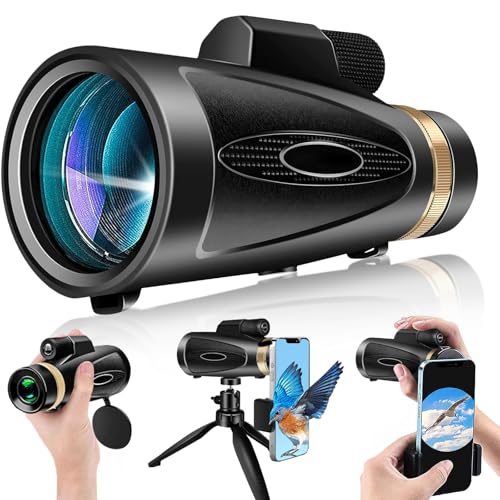
This monocular is designed for high-m magnification with a 100 mm objective lens, delivering bright, detailed images for long-range viewing. It also includes a quick-position smartphone adapter and a tripod for stable imaging. Best for observers who want to capture distant night sky features and wildlife from a distance. A limitation is that the 80x magnification can exaggerate shakiness if a tripod is not used.
FEEMIC 8×42 Monocular for Outdoor Adventures

This compact, wide-view monocular uses FMC and a BAK-4 prism to deliver bright, distortion-free images with a wide field of view. It’s built to handle rain and dust with nitrogen sealing and a rubberized grip for stability. Best for travelers and hikers who need a dependable daytime viewing tool that also performs reasonably at dusk. It’s less ideal for deep night sky work due to moderate magnification.
Pankoo 12×60 HD Monocular for Outdoors

With 12x magnification and a 60 mm lens, this monocular offers a balanced combination of reach and brightness. The larger BAK-4 prism improves light transmission and reduces distortion for sharp images, making it suitable for daytime wildlife viewing and light stargazing. Choose this if you want a robust option for a mixed outdoor portfolio. A limitation is that higher magnification can reduce eye relief, which may affect comfort for eyeglass wearers.
hd360pro Monocular 12×56 with Smartphone Adapter

This compact monocular pairs 12×56 power with a smartphone adapter and a handheld tripod-ready setup. It emphasizes versatility for stargazing, hunting, and wildlife watching. Best for users who want a portable kit that can quickly convert to cell phone astronomy or photos. A potential limitation is that it may require careful handling to maximize image stability at higher magnifications.
Vortex Solo Monocular 10×25
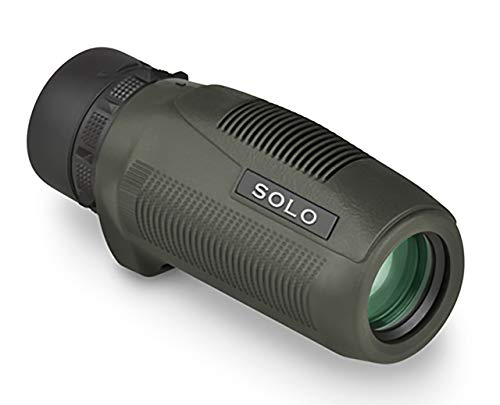
Known for a compact footprint, the Solo 10×25 delivers crisp images with fully multi-coated lenses and a rugged, rubber-armored body. It’s nitrogen-purged for waterproof and fogproof performance, making it a ready-made field companion for quick stargazing sessions. Best for travelers who prefer a lightweight, pocketable option. It’s not the best choice for serious deep-sky observing due to its small objective and lower light intake.
Buying Guide: How to Choose a Monocular for Stargazing
- Magnification vs. Brightness: Higher magnification pulls in fainter details but narrows the field of view and reduces brightness. For stargazing, look for a balance like 12×56 or 10×25 depending on carry needs and sky conditions.
- Objective Lens Size: Larger lenses (50–100 mm) capture more light, improving brightness in low-light skies. However, bigger lenses add weight and reduce portability.
- Optics Quality: FMC coatings and BAK-4 prisms improve light transmission and reduce color fringing. These features matter for crisp night-sky detail.
- Build and Durability: Waterproof, fogproof, and shock resistance help in variable outdoor environments. A rubber-armored exterior aids grip during chilly nights.
- Stability and Mounting: Tripod compatibility and smartphone adapters enable steadier views and easier astrophotography. A stable base is crucial at higher magnifications.
- Weight and Portability: For casual stargazing or travel, lighter models with good optics offer better usability, even if magnification is modest.
- Accessories: Including a tripod, smartphone adapter, and protective case can extend usability and image capture quality, especially for long sessions.
FAQ: Quick Answers for Stargazing Monoculars
- What magnification is best for beginner stargazing? – A moderate magnification such as 8x-12x is usually best, balancing field of view, brightness, and stability.
- Do I need a tripod for stargazing with a monocular? – A tripod greatly improves image stability at higher magnifications and reduces eye strain during extended viewing.
- Are waterproof monoculars better for astronomy? – Waterproofing helps in outdoor use but does not directly affect night-sky performance. It’s beneficial if you’ll be outdoors in unpredictable weather.
- Can I use a monocular for smartphone astrophotography? – Yes. Many models include a smartphone adapter to capture distant stars and landscapes with a phone camera.
- Is higher magnification always better? – Not necessarily. Higher magnification narrows the view and can reduce brightness. Choose based on your typical viewing conditions and steadiness.
- Which features matter most for low-light viewing? – Large objective lens, high-quality prism (BAK-4), and fully multi-coated optics maximize light transmission and image clarity.