Plan your next adventure with a compact, capable mirrorless camera that delivers sharp travel photos and reliable 4K video. This guide highlights five travel-ready options, each chosen for portability, image quality, and ease of use. Ideal buyers include beginners seeking a friendly entry point, enthusiasts building a travel kit, and vloggers who need reliable video on the go. Below you’ll find concise comparisons, who each model is best for, and practical buying considerations.
| Product | Why It Stands Out | Best For |
|---|---|---|
| Canon EOS R100 Kit (RF-S 18-45mm) | Compact, light, 24.1 MP APS-C, 4K video, beginner-friendly DIGIC 8 | New adopters and casual travelers seeking easy setup |
| Canon EOS R100 Double Lens Bundle | Two versatile lenses for landscapes to telephoto wildlife, strong image quality | Travelers needing flexibility without swapping lenses |
| Sony ZV-E10 16-50mm | 16-50 kit, strong video features, compact design, rapid autofocus | Vloggers and solo travelers prioritizing video |
| Sony Alpha a6400 with 16-50mm | Fast autofocus, robust stills and video, proven APS-C performance | Avid shooters needing reliable all-around performance |
| Panasonic LUMIX DC-S9 (18-40mm) | Full-feature travel body with strong image quality and Wi‑Fi sharing | Travel creators who want a premium small-form full-feature camera |
Canon EOS R100 Mirrorless Camera With RF-S18-45mm Kit

The Canon EOS R100 with an RF-S 18-45mm lens is a compact entry-level option designed for travelers who want straightforward operation and solid image quality. The 24.1 MP APS-C sensor delivers detailed stills and natural-looking bokeh, while the DIGIC 8 processor supports 4K video and responsive performance. Best for: beginner photographers who value portability and a friendly learning curve. Caution: limited in-body stabilization, so use the lens stabilization or a tripod for shaky conditions.
Canon EOS R100 Double Lens Bundle
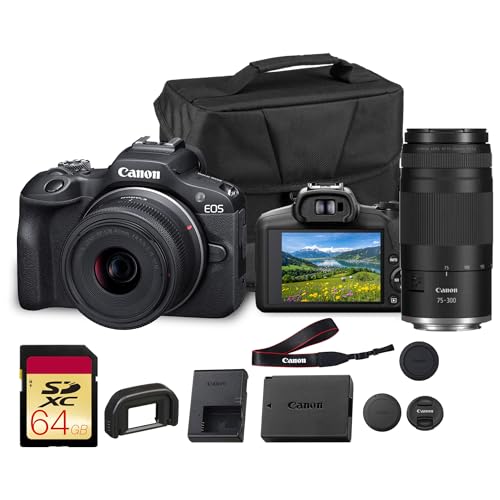
This bundle outfits the R100 with two versatile lenses—the RF-S 18-45mm and a telephoto option—giving travelers flexibility from wide landscapes to distant subjects. Features include a 24.2MP APS-C sensor and the DIGIC 8 processor for crisp images and smooth 4K video. Best for: travelers who want a complete, ready-to-shoot setup without swapping lenses frequently. Limitation: extra weight and cost compared to a single-lens kit.
Sony ZV-E10 APS-C Mirrorless with 16-50mm
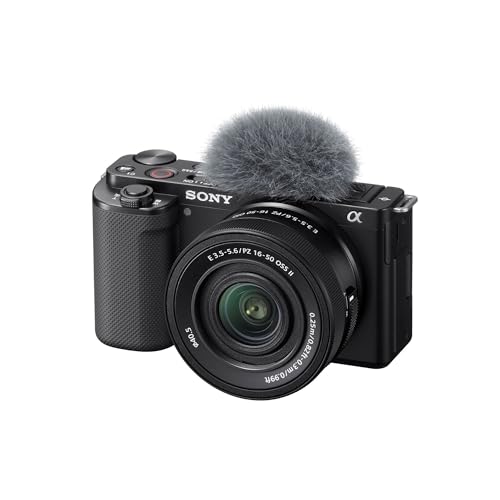
The Sony ZV-E10 emphasizes video with a capable 24.2MP APS-C sensor and an 16-50mm kit lens, plus features like Product Showcase for easy subject switching. Best for: solo travelers and vloggers who prioritize on-the-go video and autofocus speed. Caution: audio capture may require an external mic for noisier environments; consider using an external mic for higher-quality sound.
Sony Alpha a6400 with 16-50mm
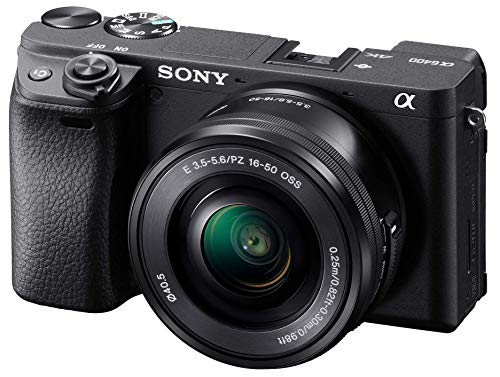
The Sony a6400 pairs a 20.1MP stacked sensor with fast AF and high-quality 4K video. With 425 phase-detection and 425 contrast-detection points, autofocus tracking is reliable for moving scenes. Best for: travel photographers who want strong autofocus and a durable body. Limitation: slightly heavier than entry-level options and may require a learning curve for new users.
Panasonic LUMIX DC-S9 with 18-40mm

The Panasonic LUMIX S9 is a compact full-frame option tailored for travel creators who want strong image quality and modern connectivity, including Wi-Fi sharing. Best for: travelers seeking premium image quality in a small body and robust low-light performance. Caution: Full-frame bodies can be pricier and require larger memory cards and batteries for extended shoots.
Buying Guide: Key Travel Camera Considerations
Size, weight, and battery life matter most on long trips. Look for a compact body, lightweight lenses, and a reliable battery that can last a full day of sightseeing or a multi-city itinerary. Image quality depends on sensor size and processing—APS-C sensors deliver solid performance in a compact package, while full-frame options excel in low light but may add weight and cost.
- Sensor size and image quality: Choose APS-C for lightweight travel kits; consider full-frame if low-light performance is a priority and you’re willing to carry more gear.
- Lens versatility: Zoom kits (like 18-45mm to 75-300mm) cover landscapes, portraits, and wildlife; swap to a second lens if you frequently shoot a specific style.
- Video capabilities: If you plan to vlog, prioritize autofocus, stabilization, and easy HDMI/USB connectivity. Consider 4K with smooth frame rates and product-focused features.
- Durability and weather sealing: For adventurous travel, rugged bodies and weather resistance reduce risk from dust, rain, or sweat.
- Network and sharing: Built-in Wi‑Fi/Bluetooth and easy transfer to mobile devices save time when sharing memories on the road.
FAQ: Quick Travel Camera Answers
- What’s the best mirrorless camera for travelers on a budget?
- Is a full-frame camera worth it for travel?
- Should I buy a two-lens kit or a single-lens kit?
- How important is image stabilization for travel?
- What features matter most for travel photographers?
- Are these cameras easy to learn for beginners?
Look for lightweight bodies with a versatile kit lens and reliable autofocus, such as entry-level Canon or Sony models that include 4K video and easy USB sharing.
Full-frame provides better low-light performance and shallower depth of field, but often adds cost and weight. For most travelers, a high-quality APS-C option is sufficient.
A two-lens kit offers flexibility for landscapes and portraits without swapping lenses constantly. A single-lens kit is lighter and simpler for beginners.
Stabilization helps with handheld shots and low-light situations. If your lens has IS, that helps; otherwise consider a small tripod or a compact gimbal for video.
Compact size, fast autofocus, reliable battery life, good image quality, and easy connectivity for quick sharing are the most valuable features for travel-oriented buyers.
Yes. Most models in this guide are designed with beginner-friendly menus, guided modes, and automatic settings that help new users learn photography while producing great results.