Looking for a compact, camera-equipped drone that’s easy to fly and doesn’t require FAA registration for recreational use? This guide highlights five small, capable options ideal for beginners, travelers, and casual shooters. Each pick includes who it’s best for, why it stands out, and a practical limitation to consider. Use the quick product table below to compare at a glance.
| Product | Best For | Why It Stands Out | Key Limitation |
|---|---|---|---|
| DJI Mini 4K | Travelers and hobbyists | 4K camera, 3-axis gimbal, under 249 g for easy handling | Registration rules vary by country |
| Loiley Drone | Casual shooters and beginners | 2K camera, 90° adjustability, sub-250 g | Limited flight time and features vs. premium models |
| DJI Neo | Pocket-friendly flyers | 135 g, palm-takeoff, controller-free operation | Some app requirements for best experience |
| DJI Mini 4K Fly More Combo | Extended flights and extra batteries | Same compact form with added flight time | Higher total cost than single-pack |
| Pallton 1080P Beginner Drone | First-time pilots and kids | One-key start, altitude hold, foldable and portable | 1080p camera, fewer advanced features |
DJI Mini 4K: 4K Ultra HD In a Tiny Frame
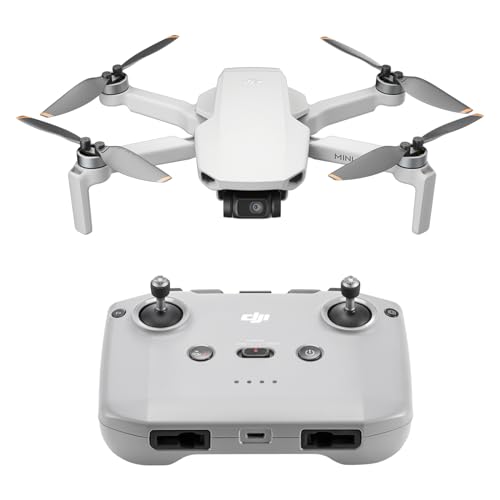
The DJI Mini 4K sets a high standard among ultra-compact drones. It weighs under 249 g, reducing the hassle of local registration for recreational use where allowed. Its 4K Ultra HD camera paired with a 3-axis gimbal yields smoother footage even in changing light. A wind resistance rating up to Level 5 supports stable flights in breezier conditions. This model is best for travelers and hobbyists who want cinematic-quality shots without a big drone footprint. A potential limitation is that some regions require registration or Remote ID, so check local rules before flying.
Who it’s best for
- Frequent travelers who need a light, portable drone.
- Amateur videographers seeking stabilized 4K footage.
Why selected
- Under 249 g for easier hobbyist use in many places.
- 4K camera with a 3-axis gimbal for smoother cinematic shots.
Cautions / Limitations
- Local registration rules may apply; verify FAA or country-specific requirements where you fly.
Loiley Drone With Camera: 2K HD Urban Explorer

The Loiley drone is a compact option with a 2K camera that offers real-time FPV and a 90° adjustable angle. It’s designed for simple operation with features like one-key start/land, headless mode, and altitude hold, making it suitable for beginners and casual shooters who want reliable, straightforward aerial footage. It also emphasizes travel-friendly design, weighing under 250 g to help with registration considerations in many regions. The main trade-off is that it may not match the color depth or stabilization of higher-end models.
Who it’s best for
- Beginning flyers who want quick, stable flights and shareable footage.
- Light travelers seeking a pocketable drone for family moments.
Why selected
- Under 250 g, reducing registration friction in many places.
- 2K camera with real-time view and easy controls for beginner use.
Cautions / Limitations
- Video quality and transmission range are adequate for casual use but not for professional work.
DJI Neo: Lightweight, Controller-Free Flying

The DJI Neo is designed for ultra-light convenience, tipping the scales at about 135 g. It supports palm takeoff and landing, making it ideal for quick, out-and-about flight sessions with minimal setup. The drone emphasizes simplicity and portability, which suits hikers, campers, and social users who want to fly without extra gear. A notable caveat is that activating the best experience often requires using the DJI Fly app on compatible devices; ensure you can access the app ahead of your first flight.
Who it’s best for
- People who want a grab-and-go flyer that fits in a pocket.
- Fans of hands-free operations and fast photo opportunities.
Why selected
- Extremely light and easy to carry.
- Palm takeoff and hands-off control for simple use cases.
Cautions / Limitations
- App availability and compatibility may affect setup; download from official sources for best results.
DJI Mini 4K Fly More Combo

The Fly More Combo extends the value of a compact camera drone with additional batteries and longer flight time. It shares the same under 249 g form factor and 4K camera with a 3-axis gimbal, which is ideal for users who want longer shooting sessions without frequent recharges. This kit is best for content creators, travelers, and families who prioritize extended flight time. A practical limitation is the higher upfront cost compared with buying a single unit.
Who it’s best for
- Users who want more flight time and the convenience of extra batteries.
- Content creators needing longer shoots in a single day.
Why selected
- Longer total flight time thanks to multiple batteries.
- Same compact design and performance as the standard Mini 4K.
Cautions / Limitations
- Increased cost; ensure you’ll use the extra batteries to justify the purchase.
Pallton Beginner Drone: Easy 1080P Indoor/Outdoor Fun

This Pallton model targets first-time pilots with user-friendly controls and a durable design. It features one-key takeoff/landing and altitude hold to help new flyers stay stable. The 1080P camera provides decent aerial imagery for casual memories and social sharing. Its foldable build and included case make it convenient for family trips and on-the-go use. The main trade-off is the camera resolution and feature set compared with higher-end mini drones.
Who it’s best for
- Beginner pilots and kids looking to learn the basics in a safe, forgiving aircraft.
- Families seeking an affordable entry into aerial photography.
Why selected
- Beginner-friendly features and foldable design for portability.
- 1080P camera suitable for casual photos and videos.
Cautions / Limitations
- Limited advanced photography features; not ideal for serious videography.
Buying Guide: Key Considerations For Mini Camera Drones
What makes a mini camera drone a good fit depends on how you plan to fly and shoot. Consider weight, camera quality, stabilization, wind tolerance, and flight time. Registration requirements vary by country—under 250 g drones often avoid FAA registration for recreational use in the U.S., but check your local rules before flying.
- Camera quality and stabilization: For sharp footage, prefer 4K cameras with a 3-axis gimbal or better. If you mainly take casual photos, a 1080p or 2K setup can be sufficient.
- Weight and portability: Sub-250 g drones are easier to carry and may avoid certain registrations, but lighter models may have shorter wind tolerance and flight time.
- Flight time and batteries: More batteries extend shooting sessions. If you shoot long events, a Fly More kit can be financially sensible.
- Flight modes and ease of use: Beginner-friendly features like One-Key Takeoff/Landing, Altitude Hold, and Headless Mode reduce learning time.
- Connectivity and app requirements: Some models rely on companion apps for full functionality. Ensure device compatibility before purchasing.
FAQ
Do mini camera drones require registration?
Registration rules depend on your location and drone weight. In the U.S., many sub-250 g drones do not require FAA registration for recreational use, but always verify current rules before flying.
Is 4K video possible on these tiny drones?
Yes, some models offer 4K capture with stabilizing gimbals, producing cinematic footage in a small form factor.
Which drone is best for beginners?
Models with One-Key Takeoff/Landing and Altitude Hold are typically best for beginners. The Pallton and Loiley options emphasize simplicity and affordable entry points.
Can I fly these indoors?
Many mini drones are suitable for indoor use with careful control. If flying indoors, consider models with stable hover and protection guards.
Is there a difference between standard and Fly More kits?
Fly More kits add extra batteries and accessories to extend flight time and convenience, at a higher upfront cost.