Direct answer: For buyers seeking a balance of image quality, features, and portability in a mid-range mirrorless camera, the Canon EOS R100, Sony Alpha a6400, Canon EOS R50, Canon EOS R7, and Panasonic LUMIX G85 offer solid options with distinct strengths. The Canon models emphasize beginner-friendly setup and compact design, while the Sony and Panasonic options lean toward faster autofocus and robust stabilization. This guide highlights who each model is best for and why they were selected, helping you compare options at a mid-range price point.
Summary table of chosen products
| Product | Brand | Best For |
|---|---|---|
| Canon EOS R100 Kit | Canon | Beginner photographers and content creators seeking approachable entry into mirrorless systems |
| Sony Alpha a6400 | Sony | Action, sports, and fast autofocus enthusiasts needing reliable performance |
| Canon EOS R50 | Canon | Vloggers and creators who want a compact, feature-rich APS-C option |
| Canon EOS R7 | Canon | Sports and wildlife photographers needing higher resolution and fast shooting |
| Panasonic LUMIX G85 | Panasonic | Travelers seeking in-body stabilization and 4K video in a compact body |
Canon EOS R100 Mirrorless Camera Kit

The Canon EOS R100 kit centers on beginner-friendly imaging with a 24.1 MP APS-C sensor and 4K video. The DIGIC 8 processor supports quick handling and practical features for new photographers and creators who want solid results with minimal complexity.
Best for: Beginners and casual creators who prioritize a compact, lightweight body with approachable controls. This kit is suitable for learners who value Canon’s color science and easy lens options.
Caution: While great for entry-level use, advanced professionals may eventually outgrow the feature set, especially in areas like high-speed continuous shooting and professional-grade video workflows.
Sony Alpha a6400 Mirrorless Camera
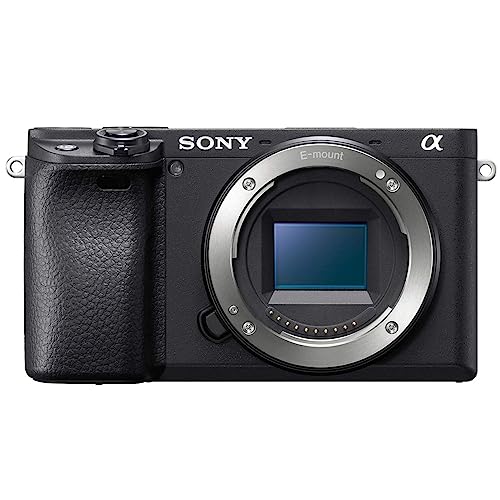
The Sony a6400 offers a strong autofocus system with Real-Time Eye AF and rapid subject tracking, plus a compact design suitable for street photography and travel. Its 24.2 MP APS-C sensor balances detail and performance for enthusiasts who need speed on a budget.
Best for: Photographers and videographers who prioritize fast, reliable AF for action, sports, and candid shooting. Choose this for better tracking performance and a robust ecosystem of lenses.
Limitation: Some users may prefer newer models with enhanced low-light performance or newer interfaces; ensure the features align with your shooting style and needs.
Canon EOS R50 Mirrorless Camera
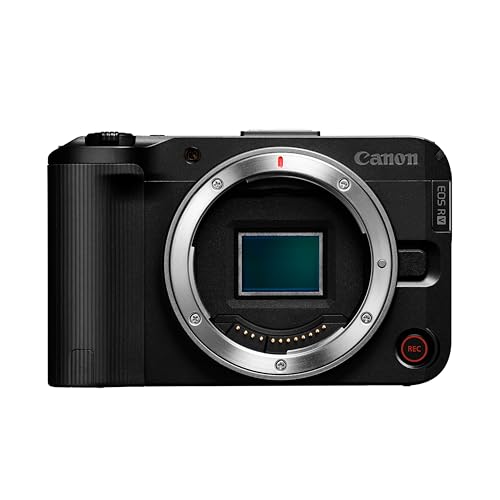
The Canon EOS R50 is a compact APS-C camera designed for creators and vloggers who want strong video features and a friendly user interface. It builds on the R-series accessibility with improved ergonomics for content creation and a more compact package than pro-level bodies.
Best for: Vloggers and content creators who value a lightweight body with solid video tools and easy navigation. Choose this if you want a portable setup without sacrificing Canon color and performance.
Caution: While compact and capable, the R50 may lack some high-end pro features found in flagship models, such as advanced heat handling during long recording sessions.
Canon EOS R7 Mirrorless Camera

The Canon EOS R7 pairs a 32.5 MP APS-C sensor with fast autofocus and robust performance for action and wildlife photography. It targets users who need higher resolution and reliable tracking, while maintaining a manageable size for long shoots and travel.
Best for: Sports, wildlife, and action shooters who want higher resolution without stepping up to a full-frame body. Choose this if you need strong AF across fast-moving subjects and a versatile feature set.
Limitation: As a higher-end APS-C model, it may be overkill for casual shooters who primarily shoot stills in static scenarios or streaming content.
Panasonic LUMIX G85

The Panasonic LUMIX G85 combines 4K video with exceptional in-body stabilization. Its 16 MP micro four thirds sensor keeps the body compact while delivering solid image quality for travel and daily use, aided by dual IS for steadier handheld shots.
Best for: Travelers and hobbyists who want a stabilized, all-around camera with good video options in a compact package. Choose this if stabilization and portability are top priorities.
Limitation: The 16 MP sensor is smaller than many rivals, which can influence dynamic range and print size at larger formats.
Buying Guide: Mid-Range Mirrorless Camera Considerations
- Sensor size and resolution: Larger sensors deliver better low-light performance and subject separation. APS-C is common in mid-range bodies, balancing quality and cost.
- Autofocus performance: Look for subject tracking, eye AF, and AF speed if you shoot action, sports, or wildlife.
- Video capabilities: Consider 4K quality, frame rates, and color profiles if you plan to create video content or livestream.
- Lens ecosystem and future needs: Evaluate availability, weight, and cost of lenses in the respective brand system.
- In-body stabilization (IBIS): IBIS aids handheld shooting and video; essential for low-light or video work.
- Portability vs. features: Smaller bodies are easier to carry; larger bodies often offer better grip and more controls.
- Battery life and charging: Consider how long you shoot away from power and whether USB-C charging is available.
How to Choose: Quick Comparisons
- Best for beginners: Canon EOS R100 kit, due to its friendly interface and compact build.
- Best for action: Sony A6400 for fast AF and reliable subject tracking.
- Best for creators on the go: Canon EOS R50 for its balance of size and video features.
- Best for higher resolution APS-C: Canon EOS R7 for sports and wildlife with fast shooting.
- Best for stabilization and travel: Panasonic LUMIX G85 with in-body stabilization.
FAQ
- What is mid-range in mirrorless cameras? Mid-range generally refers to bodies that balance features, performance, and price, typically with good autofocus, video capability, and a solid lens ecosystem.
- Is an APS-C sensor enough for great photos? Yes, when paired with quality optics and good processing, APS-C can deliver excellent detail and depth, especially in daylight.
- Do these cameras shoot 4K? Most listed models offer 4K video, but check each product’s specifics for frame rates and color profiles.
- Which is best for travel? The Canon EOS R100, Canon EOS R50, and Panasonic LUMIX G85 are all good travel options due to size and weight considerations.
- Do these cameras support external microphones? Many mid-range bodies offer microphone input; verify on the product page for the exact model you choose.
- Is IBIS important? In-body stabilization helps with low-light handheld shooting and video stability, especially when lenses lack stabilization.