When searching for a microphone for singing, you want clarity, reliability, and ease of use across settings—from home karaoke to live performances. This guide highlights five top options, explaining who they’re best for and why. Whether you need wired reliability or wireless freedom, these picks cover common singing scenarios: live vocals, small venues, parties, and church or classroom use. The table below compares core strengths to help you decide quickly.
| Product | Best For | Key Benefit |
|---|---|---|
| YIOWNER Wired Microphone | Karaoke at home or small events | Clear voice with low noise and sturdy cable |
| Shure SM58 Pro XLR Dynamic | Live vocals and stage performances | Warm, articulate sound with reliable cardioid pickup |
| JBL Wireless Two Microphone System | Duet performances and mobile setups | Dual-channel wireless with integrated mixing |
| FIFINE K6 Karaoke Microphone | Casual singing with wired connection | Dynamic vocal clarity with versatile 1/4″ compatibility |
| BONAOK Bluetooth Karaoke Microphone | Portable singing with Bluetooth and microSD | All-in-one karaoke mic with built-in speaker |
YIOWNER Wired Microphone: Great for Karaoke and Small Venues
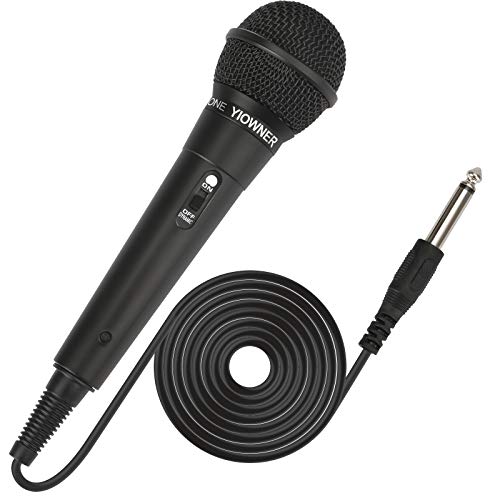
Best for: Home karaoke enthusiasts and small party sets who value reliable wired performance. This mic emphasizes clear voice pickup with noise reduction to minimize background hiss and distortion. It also features a high-quality oxygen-free copper cable with shielding to reduce hum, making it a solid choice for live singing over a mixer or amp.
Why selected: The wired design offers predictable, interference-free performance ideal for controlled environments like home studios or church halls. It pairs well with standard PA systems, amplifiers, and DVD players, providing straightforward operation without batteries or pairing concerns.
Limitation: It requires a compatible 2.5m cable setup and an external sound system for best results, which may add to the gear you need for larger events.
Shure SM58 Pro XLR Dynamic Vocal Microphone

Best for: Stage performers and vocalists seeking a timeless, dependable live vocal mic with consistent tone. The Shure SM58 is known for its warm, articulate sound and handles a range of genres well.
Why selected: Its uniform cardioid pattern minimizes background noise and feedback, keeping vocals clear in busy sound environments. It’s widely used in professional settings for live performance, studio, and broadcast applications due to its durable build.
Caution: As a wired XLR mic, you’ll need a compatible mixer or interface with the appropriate cabling to maximize its performance on larger systems.
JBL Wireless Two Microphone System
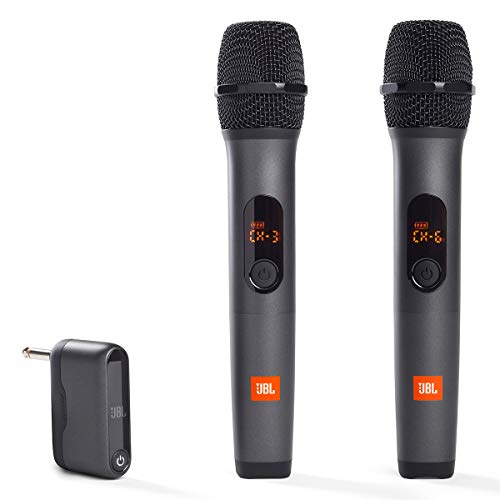
Best for: Duet performances or small-to-medium gatherings where quick setup and wireless flexibility matter. The dual-channel receiver lets two people sing or speak simultaneously with integrated voice mixing.
Why selected: JBL’s wireless system provides easy plug-and-play operation and dependable wireless performance for up to six hours of playback. It’s ideal for classrooms, small venues, or informal events where cords are a nuisance.
Limitation: Wireless systems may be more susceptible to interference in crowded RF environments; plan for a clear channel and minimal signal congestion.
FIFINE K6 Karaoke Microphone

Best for: Karaoke lovers who want a versatile wired mic with broad compatibility and clear speech intelligibility. The K6 is designed for reliable live vocal use in casual settings and small events.
Why selected: The dynamic cardioid element helps minimize feedback while delivering solid vocal presence. A 1/4″ plug makes it compatible with many mixers and audio interfaces, making it a flexible choice for home setups and small venues.
Limitation: Note that this model is not compatible with 3.5mm inputs, so check your gear’s input type before purchasing.
BONAOK Bluetooth Karaoke Microphone

Best for: Portable singing sessions and casual parties where a built-in speaker and Bluetooth streaming are convenient. This all-in-one option blends mic and speaker for on-the-go fun.
Why selected: The built-in Bluetooth module supports wireless playback and recording, and it also doubles as a speaker for backing tracks or playlists. It’s a strong pick for impromptu karaoke and family gatherings.
Caution: The built-in speaker may not match professional stage quality, so use an external system for larger venues or high-fidelity needs.
Buying Guide: Key Purchase Considerations
- Wired vs. Wireless: Choose wired for consistent, low-latency sound in controlled spaces. Go wireless for mobility on stage or at events, but be mindful of potential interference and battery life.
- Voice Clarity and Feedback: Look for cardioid patterns that focus on the user’s voice and reduce ambient noise. Dynamic mics are often preferred for live vocals due to lower sensitivity to room sound.
- Connectivity: Check input compatibility (XLR, 1/4″, 3.5mm) and whether you need a mixer, PA system, or powered speaker. Some mics include built-in cables; others require external gear.
- Portability and Durability: If you travel or perform often, prioritize lighter builds with rugged casings. Battery life is critical for wireless models used away from power sources.
- Built-In Features: Built-in speakers and multi-function mics offer convenience, but may compromise on professional-grade performance. Consider your primary use-case when weighing built-in versus standalone mics.
FAQ
- What type of microphone is best for live singing?
– Dynamic wired mics, like the Shure SM58, are a staple for live singing due to their reliability, feedback resistance, and clear vocal reproduction. - Are wireless mics better for small venues?
– Wireless mics offer mobility and quick setup, which can be advantageous in small venues. Ensure proper channel selection to minimize interference. - Can I use a karaoke microphone for professional performances?
– Some karaoke mics are designed for casual use and party settings. For professional performances, consider a dedicated vocal microphone with a balanced XLR connection and proper PA support. - What should I consider if I want to connect to a mixer?
– Check whether the mic uses XLR or 1/4″ inputs, and confirm that your mixer supports the mic’s impedance and output level. - Is built-in Bluetooth always a good option?
– Built-in Bluetooth is convenient for casual listening and singing, but it may introduce latency and audio quality limitations compared to wired connections.