Looking for a versatile micro four thirds camera that balances portability with solid image quality? This guide highlights five strong options and explains who each is best for. Whether you’re a budding photographer, a vlogger, or a traveler who wants a compact system without compromising performance, these models cover a range of needs from beginner-friendly features to advanced stabilization and 4K video.
Quick comparison table of selected models:
| Product | Key Strength | Best For |
|---|---|---|
| OM SYSTEM Olympus E-M10 Mark IV (Silver) | 20 MP sensor, 5-axis IS, 4K video | Travelers seeking compact, budget-friendly 4K |
| Olympus OM-D E-M10 Mark III | Sensor-shift IS, lightweight body | Beginners wanting reliable stabilization |
| Panasonic LUMIX G100 | 4K video, built-in mic, webcam capability | Vloggers and content creators |
| Panasonic Lumix DMC-GF3 | 12 MP, compact, 14-42mm kit | Entry-level on a tight budget |
| OM SYSTEM Olympus E-M10 Mark IV (Black) | 20 MP, selfie-friendly features | Selfie enthusiasts and social sharing |
OM SYSTEM Olympus E-M10 Mark IV Silver Micro Four Thirds

The OM SYSTEM E-M10 Mark IV offers a 20 MP Live MOS sensor with 5-axis image stabilization, making it a strong pick for everyday photography and travel. It supports 4K video and maintains a compact form factor ideal for carrying all day. Best for: travelers and casual shooters who want reliable stabilization and easy connectivity via Bluetooth and the OI Share app.
Why chosen: The model combines strong stabilization, a flip-down selfie-friendly monitor, and straightforward wireless features that simplify sharing your photos on the go. A potential limitation is the single-lens approach in the kit, which may prompt future lens upgrades for more creative control.
Olympus OM-D E-M10 Mark III Micro Four Thirds

The OM-D E-M10 Mark III emphasizes integrated five-axis image stabilization and a compact design. Its lightweight build supports long shooting sessions without fatigue, while producing sharp images and video with good detail. Best for: beginners who want dependable stabilization and a familiar handling experience with a sensor-shift system.
Why chosen: It delivers consistent image quality and stabilization at a friendly price point. Caution: It lacks newer features found in newer models, so consider future upgrades if you want advanced autofocus or 4K improvements.
Panasonic LUMIX G100 4K Mirrorless Camera

The LUMIX G100 pairs 4K recording with user-friendly features like intelligent auto modes and a compact 12-32mm kit lens. It’s also designed for easy webcam use, making it a practical choice for content creators requiring streaming versatility. Best for: aspiring vloggers and creators who want strong video performance and built-in microphone support.
Why chosen: The camera’s iA mode helps beginners capture quality stills and video without extensive setup. Caution: Some users may miss more advanced controls found on higher-end Micro Four Thirds bodies.
Panasonic Lumix GF3 12 MP Micro 4/3 (Renewed)

The GF3 represents an entry-level option with a compact form and a basic 12 MP sensor, bundled with a 14-42mm kit. Best for: budget-conscious shoppers seeking a simple, portable Micro Four Thirds setup for casual photography and learning the basics.
Why chosen: It’s one of the most affordable choices in this segment, offering a straightforward user experience. Limitation: Being an older and lower-resolution model, it may not deliver the same low-light performance or advanced features as newer cameras.
OM SYSTEM Olympus E-M10 Mark IV Black

This black variant of the E-M10 Mark IV shares the same 20 MP Live MOS sensor, Smart connectivity, and selfie-friendly features. Best for: social media enthusiasts who want a stylish, compact camera that’s easy to carry and connect to apps for quick sharing.
Why chosen: It provides the same core strengths as the silver version with a different aesthetic. Caution: The front-dedicated selfie mode is convenient, but users seeking more robust controls may outgrow it quickly.
Panasonic LUMIX G97 Compact Hybrid
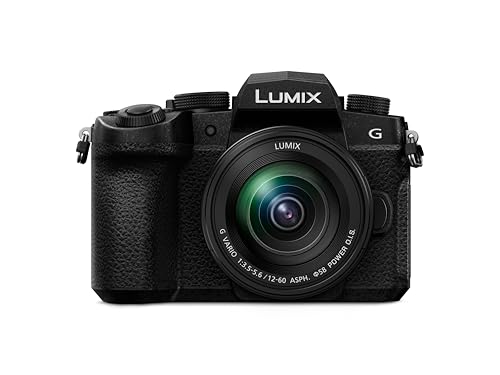
The G97 focuses on a blend of high image quality with strong video features, including a robust lens kit and advanced image stabilization. Best for: creators who want a more capable Micro Four Thirds system for both photos and video storytelling. Caution: Might be overkill for pure still photography beginners seeking basic features.
Buying Guide
Key considerations when choosing a Micro Four Thirds camera:
- Sensor and image stabilization: A higher MP sensor and 5-axis IS help produce sharper photos and steadier video, especially in low light.
- Video capabilities: If you plan to publish video content, look for 4K recording and reliable autofocus performance.
- Portability and weight: Compact bodies are ideal for travel, but ensure you’re comfortable with the grip and controls for extended shooting.
- Lens ecosystem: A wide selection of lenses matters for future versatility. Check compatibility with existing or planned lenses.
- Connectivity: Bluetooth, Wi-Fi, and app support speed up sharing and remote control, especially for social media workflows.
- Budget vs. features: Entry-level models emphasize portability and ease of use; higher-end options deliver more manual control and video features.
How to choose between these models
- If you want best-in-class stabilization in a compact body, consider the E-M10 Mark IV variants or the E-M10 Mark III.
- For creators focused on video and streaming, the Panasonic LUMIX G100 offers built-in microphone options and webcam functionality.
- For beginners on a tight budget, the GF3 kit provides a simple start without overwhelming features.
- For selfie-centric shooting and social sharing, select the E-M10 Mark IV with selfie modes and seamless connectivity.
FAQs
- What is Micro Four Thirds?
It’s a camera system with a smaller sensor and interchangeable lenses designed for compactness and versatility.
- Do these cameras shoot 4K?
Several models in this list offer 4K video, which is suitable for high-quality clips and streaming.
- Are these good for beginners?
Yes, several options are beginner-friendly with guiding modes and straightforward interfaces.
- Can I use any lens on these cameras?
Most Micro Four Thirds bodies share a common mount, enabling a wide lens selection from multiple brands.
- Is stabilization important for video?
Yes, a strong stabilization system helps reduce shake and yields smoother footage, especially with handheld shooting.