For hikers, backpackers, and travelers seeking compact warmth without the bulk, a lightweight sleeping bag is essential. This guide presents five top options, each chosen for portability, comfort, and outdoor versatility. Best for backpackers, solo travelers, and family campers who want easy packs and reliable insulation. The table below highlights quick picks and who they suit.
| Product | Best For | Key Benefit |
|---|---|---|
| ECOOPRO Warm Weather Sleeping Bag | Backpacking, Summer Camping | Waterproof outer shell, compact carry |
| ECOOPRO Portable Sleeping Bag (Compression Sack) | Travel, Lightweight Backpacking | Lightweight, weatherproof design |
| MalloMe Sleeping Bags | Family Camping, All Ages | Year-round comfort, kid-friendly colors |
| BORULL LightWeight Compact Sleeping Bag | Tall Adults, Ultra-Light Gear | Extra long, ultra-light packability |
| Naturehike Lightweight Compact Sleeping Bag | Travel, Backpacking | Extremely light and compact, versatile warmth |
Introduction continues: Each option below is described with who it’s best for, why it was selected, and one practical caveat to consider. All information is drawn from the product features and is presented to help you compare at a glance.
ECOOPRO Warm Weather Sleeping Bag
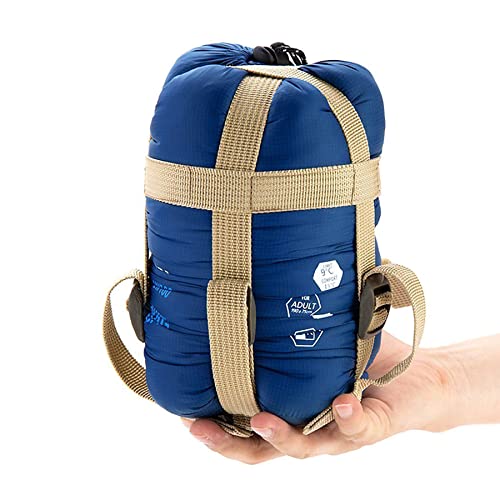
Best for: Backpackers needing rain protection in warm conditions. This sleeping bag uses a waterproof nylon outer and breathable 100% polyester lining, offering temperature maintenance around 55–60°F. It measures 83 inches long by 30 inches wide, fitting most adults. The envelope style helps with compact packing, rolling easily into a sack. The main caution: not ideal for extreme cold without additional insulation or layering.
ECOOPRO Portable, Waterproof Sleeping Bag
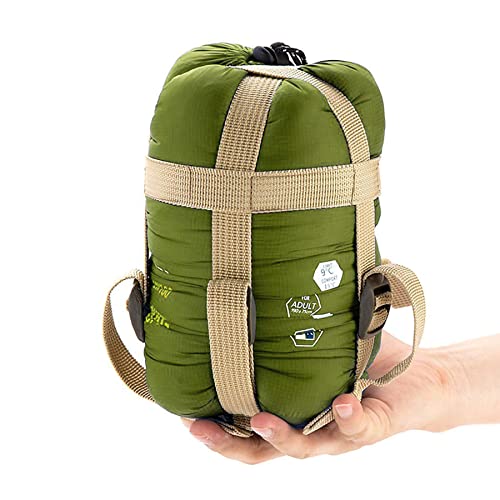
Best for: Campers who need a reliable, weatherproof option that packs down small. It features waterproof outer material and a breathable lining, with a comparable 83″ x 30″ footprint and a lightweight build. It compresses to a compact size, making it suitable for backpacking. Caution: Users should verify cold-weather capabilities if temperatures drop significantly below 55–60°F, as it’s optimized for warmer conditions.
MalloMe Sleeping Bags For Adults

Best for: Families and younger campers who want a versatile, year-round sleeping bag. Rated 50°F to 77°F, it supports a wide temperature range and accommodates an adult up to about 6 feet tall. The outer shell is designed to be waterproof and durable, with a versatile design suitable for kids too. Limitation: Heavier than some ultralight options, at approximately 3 pounds, which may matter for ultra-light backpackers.
Lightweight Compact Adult Sleeping Bag For Backpacking

Best for: Tall or larger-framed campers who still want minimal weight. At 1.5 lb and a pack-down size around 7.9 inches, it’s exceptionally portable. It measures 79 inches by 30 inches, offering extra length for comfort. Caution: With a recommended user height and weight guidance, it’s best for averages; taller or heavier users should confirm fit before purchase.
Naturehike Lightweight Compact Sleeping Bag

Best for: Travelers and backpackers seeking extreme portability with reliable warmth. It’s ultra-lightweight and compact, using a lightweight filling and compression sack to reduce bulk. The bag is designed for cold-to-warm conditions and includes a waterproof feature for wet environments. Limitation: The temperature range may require layering for colder nights beyond the stated comfort zone.
Buying Guide
What to consider when choosing a lightweight sleeping bag
- Temperature rating: Match to typical trip conditions. Look for a bag that keeps you warm enough under expected minimum temperatures, plus a buffer for layering.
- Weight and packability: Consider both weight in ounces/grams and compressed size. Ultralight models save space but may trade comfort.
- Outer material and lining: Waterproof or water-resistant shells help in damp environments; breathable linings improve comfort and reduce sweat.
- Length and fit: Choose a bag that accommodates your height with some extra space for movement.
- Durability: Stitches, zippers, and fabrics affect longevity. Envelopes tend to be easier to compress but ensure robust closures.
- Versatility: Some bags work well for three seasons; others are better for summer or layered use in shoulder seasons.
What’s the best pick for specific situations?
- Best for backpackers who prioritize minimal weight: BORULL Lightweight Compact and Naturehike options.
- Best for family trips or kids: MalloMe Sleeping Bags offer versatile use and colors.
- Best for wet environments: ECOOPRO options with waterproof outer shells.
Care and maintenance considerations
- Follow washing and drying guidelines to preserve insulation and fabric integrity.
- Store loosely in a cool, dry place to maintain loft and prevent fabric compression.
FAQ
- Q: What is considered a lightweight sleeping bag? A: Typically under 3 pounds (1.36 kg) with a compact packed size suitable for easy transport.
- Q: Do all lightweight bags keep you warm in cold weather? A: Not all; many are optimized for warm or three-season use and may require layering for cooler nights.
- Q: Are waterproof sleeping bags worth it? A: In damp or unpredictable weather, waterproof outer shells help protect insulation and aid longevity.
- Q: How do I choose the right length? A: Choose a bag that fits your height with some extra space for movement; consider a bag marketed as long or extra-long for taller individuals.
- Q: Can I machine wash these sleeping bags? A: Many are machine washable, but always follow the manufacturer’s care instructions to avoid damaging insulation.
- Q: Should I buy one bag for all seasons? A: For inconsistent temperatures, opt for a three-season bag and plan layering with an additional blanket or liner.