If you’re seeking true 4K picture quality from a laser-based projector, you want models that deliver bright, vibrant HDR imagery with stable color accuracy. The top picks below are ideal for dedicated home theaters, living rooms with some ambient light, or outdoor movie nights. This guide highlights five high-performance laser projectors, each best for different use cases such as pure home theater, frequent streaming, or gaming. The buyer intent is clear: choose the 4K laser projector that matches room size, lighting, and content preferences.
Summary table of selected products:
| Product | Best For | Key Benefit | Notable Limitation |
|---|---|---|---|
| Optoma UHZ36 4K UHD Laser HDR | Home theater enthusiasts seeking director-grade image quality | 4K UHD with HDR, precise color, FILMMAKER MODE | Higher price bracket |
| Hisense M2 Pro Triple Laser 4K | Versatile large-screen setups, portable living rooms | 65–200″ projection, 4K upscaling, built-in Vidaa OS | Lower brightness vs bright rooms in some setups |
| JMGO N1S 4K Upgrade Triple Laser | Immersive home cinema with smart features | 4K, triple laser color, Google TV, auto focus | Gimbal adds weight and size |
| ViewSonic LS901-4K 4K UHD Laser | Large-view home theater and bright rooms | 5500 ANSI lumens, true 4K, HDR/HLG support | May be overkill for small rooms |
| ViewSonic LX700-4K 4K UHD Laser Gaming | Gamers who want 4K and fast response | 240Hz gaming, 4K, 3500 ANSI lumens | Gamified features may not be needed by cinephiles |
Optoma UHZ36 4K UHD Laser HDR Home Theater Projector
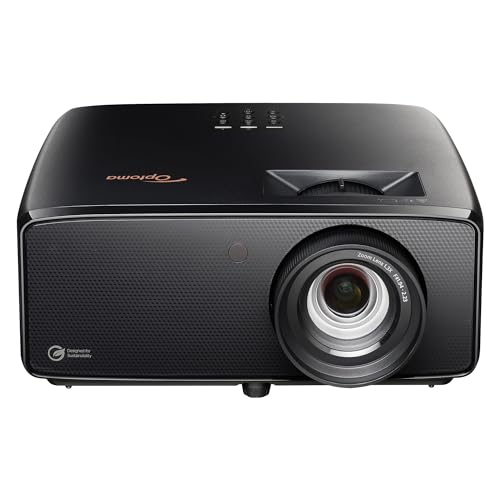
Key features include 4K UHD resolution with HDR, and FILMMAKER MODE which preserves the director’s original vision. Best for discerning home theater enthusiasts who want cinema-grade color accuracy in a living space. The laser light source supports long life and consistent brightness, making it a strong all-around choice for dedicated movie nights. Consider this option if you prioritize true-to-film presentation and HDR performance over casual streaming.
Why it’s chosen: The 4K laser with HDR and FILMMAKER MODE offers stable, color-accurate imaging suited for home theaters. Limitation: It may be less portable and has a higher upfront cost than smaller, non-laser models.
Hisense M2 Pro Triple Laser 4K UHD
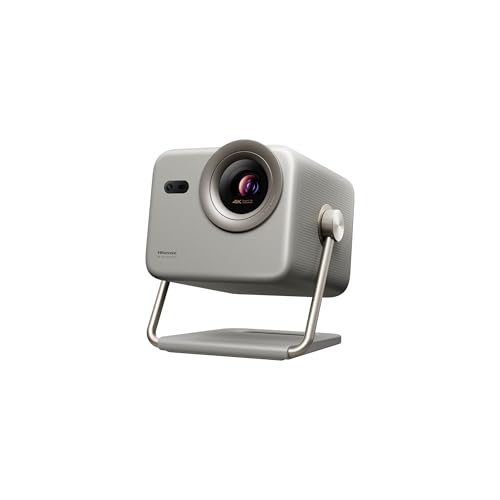
The Hisense M2 Pro supports an expansive 65″ to 200″ projection range and includes 4K upscaling with Dolby Vision. It also features a built-in Vidaa OS and an optical zoom, making it a practical choice for rooms with variable seating distances. Best for: households seeking a versatile, large-format setup that can double as a smart TV alternative. Caution: brightness performance may vary in very bright rooms, so consider ambient lighting when planning placement.
JMGO N1S 4K Upgrade Triple Laser
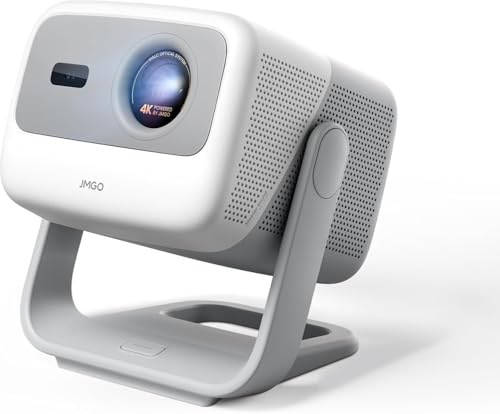
JMGO N1S delivers 4K with a triple laser system for vivid colors and wide color coverage. It includes Google TV for easy access to streaming services and apps. Best for: users who want a cinema-like image with smart features and flexible installation thanks to a robust gimbal. Limitations: the integrated gimbal design adds footprint and weight; ensure proper mounting space.
ViewSonic LS901-4K 4K UHD Laser

Premium 4K laser with 5,500 ANSI lumens and HDR/HLG support makes it suitable for large rooms and bright living spaces. Best for: home theaters where clear, large-screen viewing in varied lighting is important. Caution: higher brightness can come with larger form factor and power consumption considerations.
ViewSonic LX700-4K UHD Laser Gaming

Designed for elite Xbox gaming, this 4K laser projector supports 240Hz at 4K with 3,500 ANSI lumens. Best for: gamers who want a large, responsive display with vivid colors. Limitations: gaming features are a strong point, but cinephiles may prefer a pure cinema-leaning mode with different tuning options.
Buying Guide
What should you consider when choosing a 4K laser projector?
- Brightness and ambient light: Larger rooms or daylight sessions require higher ANSI lumens to maintain image clarity.
- Resolution and HDR: Look for native 4K resolution with HDR formats like HDR10 or Dolby Vision for best color and contrast.
- Color technology: Triple laser systems tend to deliver broader color gamuts and less color wheel rainbow artifacts.
- Throw distance and screen size: Ensure the model supports your room’s throw ratio and the desired screen size (65″–200″ for many laser models).
- Smart features: Built-in streaming OS (e.g., Google TV or Vidaa) simplifies content access without extra devices.
- Input latency: For gaming, consider models with low input lag and high refresh rates.
- Reliability and maintenance: Laser projectors typically offer longer life and lower maintenance than lamp-based systems.
How to align with room and use-case
- Home theater purists: Opt for devices offering FILMMAKER MODE, deep blacks, and broad color accuracy.
- Living room setups: Prioritize brightness and adaptive screen size support to handle ambient light.
- Gaming and streaming: Favor models with high refresh rates, low input lag, and smart streaming options.
Comparison at a glance
- Best overall cinema experience: Optoma UHZ36 for color fidelity and HDR.
- Best value for large spaces: Hisense M2 Pro offers broad range and smart features.
- Best for smart home integration: JMGO N1S with Google TV and auto focus.
- Brightest for daylight rooms: ViewSonic LS901-4K UHD Laser.
- Best gaming performance: ViewSonic LX700-4K with 240Hz support.
FAQ
- What is a laser projector? A projector that uses laser light sources for longer life and stable brightness compared to lamp-based models.
- Is 4K true 4K for projectors? Yes, native 4K resolution provides more detail than 1080p upscaled content, particularly in HDR scenes.
- Do laser projectors work well in bright rooms? Some models offer high ANSI lumens (5000+), which helps in ambient light, but room darkening still improves perceived contrast.
- Can these be used outdoors? Yes, but ensure installation complies with weather and power considerations; some models are designed for versatile placement.
- Which is best for gaming? Models with 240Hz refresh rates and low input lag are favored for fast-action titles.
- Do I need a screen? While screens improve brightness and uniformity, these projectors perform well on white walls or painted surfaces with proper alignment.