If you’re moving beyond beginner sewing and want more features, reliability, and control, an intermediate sewing machine is a smart choice. These machines balance user-friendliness with expanded stitch options, better speed control, and more accessories. They’re ideal for hobbyists expanding into quilting, garment construction, or decorative stitching. The top options below help you decide which model best fits your projects, skill level, and budget.
Buyer’s quick reference: the following table compares five strong intermediate options to help you compare at a glance.
| Product | Stitches | Best For | Key Benefit |
|---|---|---|---|
| Brother XM2701 | 27 stitches | Beginner-to-intermediate projects | Automatic needle threader and top drop-in bobbin |
| Brother XR9550 | 165 stitches | Quilting and complex garment work | Extensive stitch library with alphanumeric options |
| SINGER 4411 | 69 stitches | Heavy-duty fabrics and versatile sewing | Higher torque for denim and leather; high-speed |
| Brother CS7000X | 70 stitches | Quilting and general sewing | Large workspace and quilting features |
| Brother XM3700 | 37 stitches | Upgrading from basic models | Easy threading and portability |
Brother XM2701 Portable Sewing Machine

The XM2701 offers 27 built-in stitches including decorative and zigzag options plus an auto-size buttonhole. It features an automatic needle threader and a jam-resistant drop-in top bobbin. This model is best for beginners stepping into broader stitch variety and light-to-medium projects. It’s a solid choice for makers who want portability without sacrificing essential capabilities.
Best for: beginner-to-intermediate sewists who value a compact, easy-to-use machine with reliable threader and quick setup. Choose this if you primarily work on apparel, small craft projects, and simple home decor.
Caution: With 27 stitches, it may feel limited for very advanced quilting or intricate embroidery compared with higher-end options.
Brother XR9550 Computerized Sewing And Quilting Machine

The XR9550 provides 165 stitches, including utility, decorative, heirloom, and 55 alphanumeric options. It features an automatic needle threader and a drop-in top bobbin, plus a protective hard cover and wide table for quilting. This machine suits quilters and garment makers who want expansive stitch variety and solid performance.
Best for: quilters and garment sewists who need a broad stitch library and a sturdy, feature-rich machine. Choose this if you plan to work with complex patterns, hems, and quilting projects.
Caution: The abundance of stitches can be overwhelming for very new users; user manual familiarity helps maximize results.
SINGER 4411 High Speed Heavy Duty Sewing Machine

The SINGER 4411 stands out with a powerful motor delivering up to 1,100 stitches per minute and 50% more power for heavy-duty fabrics such as denim and leather. It offers 69 stitch applications for diverse projects. This machine is best for those tackling thicker materials and seeking faster completion.
Best for: users who regularly sew heavy fabrics or require high-speed stitching for larger projects. Choose this if you value durability and speed over an ultra-wide stitch library.
Limitation: It’s heavier than common portable models, which can affect portability and setup in small spaces.
Brother CS7000X Sewing And Quilting Machine
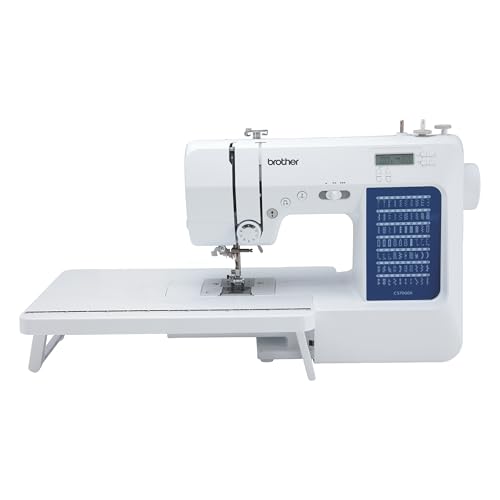
The CS7000X offers 70 built-in stitches and a 1-step auto-size buttonhole, plus an improved needle threader and a jam-resistant top bobbin. It includes a wide table, 10 sewing feet, a quilt guide, and a hard case. This machine is an excellent option for quilters who want a larger workspace and reliable stitching options.
Best for: quilters and general sewers who want a feature-rich machine with generous workspace. Choose this if you need a dedicated quilting setup with versatile stitches.
Caution: Heavier workload can require more space and power supply management than entry-level models.
Brother XM3700 37 Built-in Stitches

The XM3700 provides 37 built-in stitches and a one-step auto-size buttonhole. It features an automatic needle threader and a jam-resistant top bobbin, along with accessories like multiple feet and a manual. It’s a balanced option for those seeking more stitch variety without complexity.
Best for: sewers upgrading from basic models who want more stitch options and straightforward operation. Choose this if you need portability with a broader stitch palette.
Caution: On very demanding projects, you may outgrow its capabilities compared with higher-end machines, especially for intricate quilting.
Buying Guide: Key Considerations For Intermediate Machines
- Stitch variety and types: How many stitches do you truly need, and are decorative, utility, and quilting stitches included?
- Automatic features: Needle threading, drop-in bobbin, and one-step buttonholes save time and reduce frustration.
- Quilting readiness: A wide sewing table, extra feet, and included quilting guides help when working on larger projects.
- Durability and speed: A heavier motor usually means better performance with thick fabrics; consider stitch rate if you complete long projects.
- Portability vs. workspace: Consider the space you have and whether you need a lightweight model or a larger workspace machine.
- Learning curve: More features can require more time to learn; look for intuitive threading paths and clear manuals.
- Accessories: Extra feet, cases, and storage can affect value; ensure the kit includes essential attachments you’ll use.
Practical Tips For Choosing
- Match your projects to capabilities: If you plan regular quilting, prioritize models with wide tables and many quilting stitches.
- Test-feel matters: If possible, test the needle threading and bobbin setup to gauge ease of use.
- Future-proofing: If you anticipate bigger projects, lean toward machines with more stitch options and better fabric handling.
Frequently Asked Questions
- What is the best intermediate sewing machine for quilting? A model with a wide workspace, quilting stitches, and extra feet, such as those in the XR9550 or CS7000X families, is well-suited for quilting.
- Do I need a computerized model at this level? Computerized models offer more stitches and automatic features, which can improve precision and speed for complex projects.
- Is a heavy-duty motor necessary for intermediate sewing? A stronger motor helps with thick fabrics and long sessions; it’s beneficial if you sew denim, canvas, or leather frequently.
- What should I look for in a beginner-to-intermediate upgrade? Look for auto-threading, a drop-in bobbin, a good selection of stitches, and a comfortable workload.
- Are extended warranties worth it? If you plan frequent or professional use, extended coverage can reduce long-term maintenance concerns.
- Can I learn on these machines without prior experience? Yes; many intermediate machines are designed with guided stitches and straightforward threading.