Answering the question: which hydration packs deliver reliable hydration on hikes, runs, and bike rides? This guide focuses on packs with 2L to 3L water bladders, lightweight construction, and all‑day comfort. It highlights options ideal for ultralight day hikes, mid‑length runs, and versatile outdoor use. Best for: hikers seeking light carry weight, runners needing breathability, and cyclists wanting accessible hydration without bulk.
Summary table of selected products:
- N NEVO RHINO Hydration Backpack, 18L – 3L Bladder
- Lightweight Hydration Backpack, Running Backpack with 2L Water Bladder – 12L
- TETON Sports Oasis Hydration Backpack – 18L/22L – 2L Bladder
- Unigear Hydration Pack Backpack with 2L Water Bladder – 16.5x8x6
- Unigear Hydration Pack Backpack with 2L Water Bladder (Second Variant) – 16.5x8x6
N NEVO RHINO Hydration Backpack, 18L With 3L Bladder

Best for all‑day hydration on longer hikes or mixed‑terrain adventures. This 18L pack includes a 3L bladder and emphasizes lightweight breathability with ventilated mesh and adjustable straps. The design aims to keep water cool and drinking easy on hot days.
- Best for: hikers who want a higher‑capacity pack with a larger bladder for extended trips.
- Why selected: balanced capacity, ventilation, and adjustable fit for adults.
- Caution: bladder capacity is sizeable; ensure the fit suits shorter routes if you prefer a slimmer profile.
Lightweight Hydration Backpack, Running Backpack with 2L Water Bladder

Best for runners and fast hikers who prioritize ultra‑light weight. This pack weighs about 8.5 oz and features a 2L bladder with BPA‑free PEVA material and a leakproof bite valve. Its soft air mesh back improves airflow for warm days.
- Best for: ultralight day trips and run‑friendly hydration on the go.
- Why selected: extremely light construction and quick‑access hydration.
- Caution: limited storage space; may be best for minimalist setups or shorter excursions.
TETON Oasis Hydration Backpack – 18L/22L
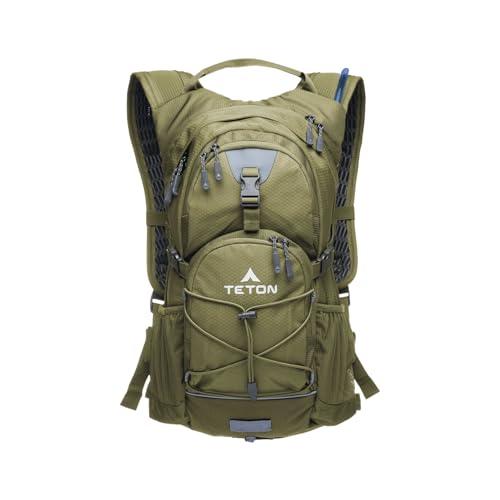
Best for all‑season outdoor use with built‑in rain cover and good organization. The Oasis line includes insulated bladder pockets to help keep liquids cooler longer, plus a detachable rain cover and multiple compartments for gear.
- Best for: hikers and cyclists who want reliable insulation and weather protection.
- Why selected: balanced capacity with thoughtful storage and a secure drinking system.
- Caution: larger sizes may feel bulkier for ultralight minimalist hikers.
TETON Oasis Hydration Backpack – 18L/22L (Second Variant)

Best for hikers who want consistent hydration with a high‑quality bite valve and a wide opening for easier cleaning. This version emphasizes the same comfort and cooling features, with a slightly different fabric or layout to fit varied body types.
- Best for: users who value sip tube reliability and easy cleaning.
- Why selected: reliable 2L bladder with a wide opening for ice and maintenance.
- Caution: may be more expensive than basic models; consider the need for insulated pockets.
Unigear Hydration Pack Backpack with 2L Bladder

Best for budget‑conscious buyers who still want a reliable 2L bladder and adjustable fit. This pack emphasizes a light build with splash resistance and a secure harness system to limit bouncing on movement.
- Best for: casual hikers, students, and weekend outdoorsmen seeking value.
- Why selected: balance of weight, fit, and price with adaptable sizing.
- Caution: some users may prefer higher end materials for long‑term durability.
Unigear Hydration Pack Backpack with 2L Bladder (Second Variant)
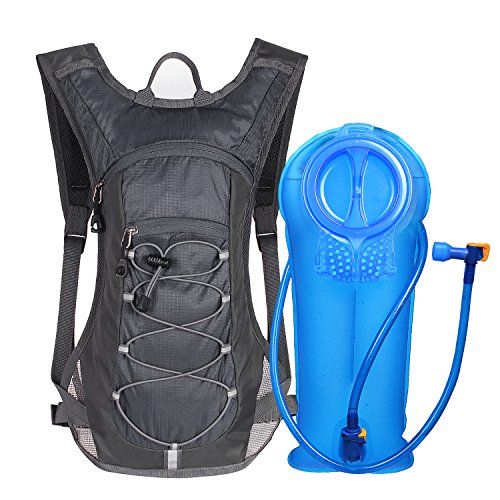
Best for everyday outdoor use with similar specifications to the first Unigear model but a slightly different build. The pack provides adjustable straps and a replaceable 2L bladder ensuring continued hydration on varied trips.
- Best for: users who want flexibility between different outdoor activities without paying a premium.
- Why selected: consistent bladder size and practical adjustment options.
- Caution: feature set mirrors the other Unigear option; compare fit to your torso length before buying.
Buying Guide
What to consider when choosing a hiking hydration pack
- Capacity and bladder size: Choose 2L for short trips and 3L or more for longer days. Higher capacity increases weight but reduces refills.
- Weight and material: Lightweight packs reduce fatigue, while durable fabrics withstand abrasion during bushwhacking.
- Fit and adjustability: Look for packs with adjustable shoulder, chest, and waist straps to minimize bounce and maximize comfort.
- Ventilation: Mesh back panels and breathable straps improve comfort in heat.
- Access and cleaning: Wide mouth bladders simplify filling, ice addition, and cleaning; easy‑to‑clean interiors help maintain hygiene.
- Organization: Extra pockets and compartments help separate gear, shoes, and water for quick access on the trail.
- Weather protection: Consider rain covers or water‑resistant fabrics if you hike in mixed conditions.
Frequently Asked Questions
- What size bladder should I choose for a day hike? Answer: A 2L bladder is common for standard day hikes; 3L is better for longer days or high heat.
- Are insulated bladder compartments worth it? Answer: Yes, they help keep water cooler longer in warm conditions.
- Is a lighter pack always better? Answer: Lighter packs reduce fatigue but may offer fewer pockets; balance weight with storage needs.
- Which materials are best for durability? Answer: Nylon fabrics with PU coating provide tear resistance and water protection.
- Do hydration packs limit ventilation? Answer: Modern packs with mesh back panels generally improve airflow and comfort.
- Should I choose a pack with a rain cover? Answer: A rain cover is beneficial for exposed or wet conditions, especially on long trips.