Natural henna offers a chemical-free route to color, shine and conditioning for hair. This guide highlights top UK-sold options that are widely used for vibrant reds, browns and blacks, while minimising irritation and zeroing in on pure plant-based ingredients. Each product below is chosen for its purity, real colour results and ease of use, whether you’re dyeing grey hair, refreshing a shade or experimenting with temporary hues. Compare the certifications, sourcing, and how they perform on different hair types to choose the best henna for your needs.
| Product | Brand | Key Strength |
|---|---|---|
| H&C 100% Pure Natural Henna Powder | H&C Herbal Ingredients Expert | Chemical-free, natural colour and conditioning |
| Davis Finest Organic Henna Powder | Davis Finest | Organic, triple-sifted, versatile colour range |
| It’s Pure Natural Hair Dye – Organic Henna & Indigo | It’s Pure | Certified organic blend for diverse shades |
| SAMYAM Pure Henna Powder | SAMYAM | Triple-sifted for smooth paste, natural dye |
| Clean Organics 200g Organic Henna Powder | Clean Organics | USDA Organic, high Lawsone content, triple-sifted |
H&C Pure Henna Powder

The H&C Henna Powder is marketed as 100% natural and free from chemicals and PPD. Sourced from freshly cultivated henna leaves, this product aims to deliver natural colour, shine, and conditioning. Users seeking a simple, pure plant-based option may appreciate its straightforward formulation and the promise of colour without synthetic additives. The powder is designed for hair colouring with potential versatility when blended with indigo or other plant powders. For best results, consider strand testing and gradual colour development to match personal shade goals.
Davis Finest Organic Henna Powder
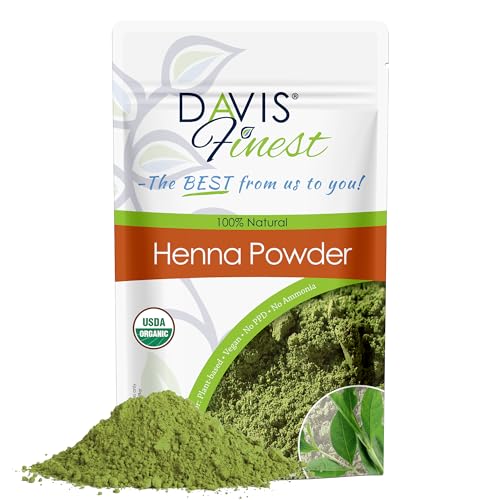
Offering organic henna powder grown in Rajasthan, Davis Finest presents a finely ground, triple-sifted formula designed for a smooth paste that’s easy to apply and rinse out. It supports natural hair colour, including grey coverage, in shades ranging from orange-red to reddish-brown when blended with indigo and amla powders. The powder is suitable for hair and beard dye due to its non-toxic nature, making it a flexible option for those with sensitive scalps or who prefer a chemical-free dye alternative. A 100-gram pack is typical for trial use or periodic touch-ups.
It’s Pure Henna And Indigo Dye
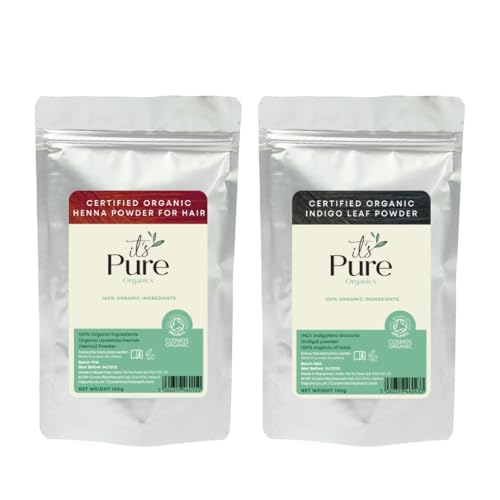
Its Pure combines organic henna with indigo to create a spectrum of natural shades, from coppery reds through to dark browns. This product is Soil Association certified, grown in Rajasthan, and free from PPD, metals, parabens, and artificial additives. The dual-action formula coats hair with a natural colour layer while enhancing volume and shine. The absence of harsh chemicals makes it appealing for regular use, especially for those seeking long-term colour conditioning without synthetic dyes.
SAMYAM Pure Henna Powder

SAMYAM Pure Henna Powder is marketed as a fresh, triple-sifted henna from Sojat, Rajasthan, intended to deliver natural colour, shine and conditioning. The powder is presented as a solid base for creating DIY natural hair colours, and users can add other herbs such as amla or neutral henna to tailor the shade. Its natural dye properties are suitable for those who want a chemical-free option with predictable, plant-based results. It’s particularly noted for easy mixing and even application when used with appropriate paste consistency.
Clean Organics Organic Henna Powder

Clean Organics offers a 100% USDA Organic certified henna powder with no ammonia, salts or peroxide. It emphasizes a high Lawsone content for deep, long-lasting colour and is triple-sifted for versatility in hair colouring and body art. As a consumer, you gain access to a product that supports natural colour development across shades—from fiery reds to rich browns—while maintaining a strong focus on organic, chemical-free ingredients. This option suits those who value organic certification and a robust pigment profile in henna powders.
Buying Guide: Key Purchase Considerations
- Source and purity: Look for 100% henna (Lawsonia inermis) without additives. Certifications like USDA Organic or Soil Association approval add reliability.
- Shade versatility: Some blends yield orange-red tones, while others are suited for brown to black shades, especially when combined with indigo or amla powders.
- Grain size and processing: Triple-sifted powders typically offer smoother pastes that apply evenly and rinse more easily.
- Skin compatibility: If you have sensitive skin, choose PPD-free or chemical-free formulas and perform a strand test before full application.
- Application and paste consistency: Freshly ground or freshly prepared pastes deliver best colour. Adjust paste thickness with water or lemon juice to optimize dye release, but avoid overly acidic mixtures if you’re sensitive.
- Color longevity and fade: Henna stains tend to last longer than synthetic dyes but can fade with washing. Indigo blends often darken over time; plan shade goals accordingly.
- Hair type and condition: Dry or damaged hair may benefit from conditioning henna pastes; consider adding amla or coconut oil to the paste for improved conditioning.
- Usage scenarios: Henna can be used for full-head colour, highlights, or decorative body art. Pack size and cone formats vary; choose based on your routine and preferred method.
- Storage and shelf life: Keep powders in a cool, dry place. Paste should be used promptly, as fresh pastes yield stronger colour.
For best results, perform a strand test on a hidden area of hair to gauge colour development and check for any reactions. Follow the product’s instructions for mixing ratios, application times, and rinse-out procedures. If you’re new to henna, start with a small batch and a lighter shade to understand how the dye reacts with your hair’s natural tones.