Whether you’re tracking beats, practicing in a dedicated space, or live-monitoring during performances, the right headphones deliver accurate, drum-friendly sound. This guide highlights five top picks suited for electronic drum setups, from isolation-focused models to monitor-grade headphones. Ideal buyers include home studio project owners, electronic drum players, and percussionists seeking reliable, comfortable listening with minimal bleed.
Summary of selected products
- Alesis DRP100 – Electronic drums monitoring and practice headphones with 1/4″ adapter
- HXW DMH10 – Over-ear studio headphones with deep bass and closed-back isolation
- OneOdio A71 – Hi-Res wired monitoring headphones with shared-style cord
- Audio-Technica ATH-M20x – Professional studio monitor headphones suited for tracking
- Sony MDR7506 – Classic closed-back professional headphones with detailed high end
Alesis DRP100 – Audio-Isolation Drums Headphones
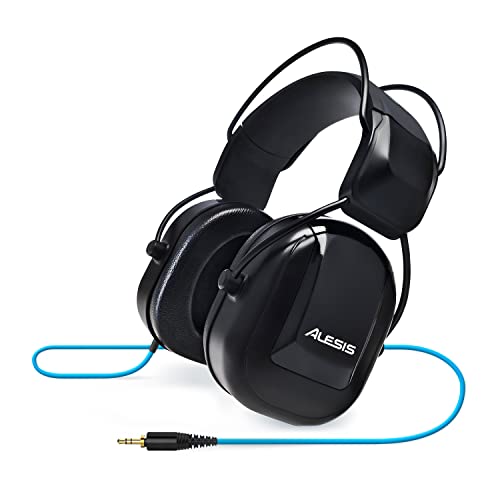
Best for: Practicing with minimal ambient bleed. The over-ear design provides strong isolation, helping drummers concentrate on drum kit and metronome cues without disturbing others. These are well-suited for home studios and stage rehearsals where isolation matters.
Why selected: The Alesis DRP100 emphasizes isolation and comfort, supporting longer practice sessions and clear monitoring during sensitive drum patterns. The rugged build aligns with daily use and space-constrained setups.
Limitation: Lacking advanced compromise-free bass emphasis; not a premium mixing headset but excellent for practice and stage use where isolation matters.
HXW DMH10 Over-Ear Studio Headphones

Best for: Drummers needing deep bass and solid isolation in loud practice spaces. The 50mm neodymium drivers deliver dynamic sound with a wide frequency response, ideal for electronic drum kits and sample playback.
Why selected: The DMH10’s rugged closed-back design reduces ambient noise while delivering clear, powerful bass essential for drum realism. The long cable and comfortable fit support longer sessions.
Caution: Some users may prefer lighter options for travel; the weight and cabling are best suited to stationary use and longer sessions in a controlled environment.
OneOdio A71 Hi-Res Studio Headphones

Best for: Drummers who need reliable, balanced monitoring with shareable listening. The A71 offers hi-res sound with a foldable design and a long coiled cable, making it versatile for studio monitoring and live laptop setups.
Why selected: The 40mm drivers provide clear detail across the spectrum, supporting accurate drum mixing and cueing. The included dual-plug configuration (6.35mm and 3.5mm) suits a range of devices, from amps to interfaces.
Limitation: Some users may find the bass response generous but not excessive; this may not replace dedicated sub-bass monitoring in ultra-tight studio scenarios.
Audio-Technica ATH-M20x – M20x Professional Studio Headphones

Best for: Budget-conscious producers who still need reliable, studio-grade monitoring for tracking electronic drums. The M20x is tuned for clear low-frequency performance with sturdy build quality.
Why selected: The 40 mm drivers with rare earth magnets deliver balanced bass and clear highs, suited for tracking and basic mixing tasks in a home studio. The headset is comfortable for long sessions with a durable design.
Limitation: Not the most extended frequency range or premium build compared with higher-end models; intended for essential studio work and practice rather than high-end mastering.
Sony MDR7506 – Professional Headphones

Best for: Drummers and producers needing detailed highs and reliable closed-back isolation for studio tracking. The MDR7506 is a staple in many professional studios.
Why selected: They offer a classic, well-regarded listening experience with 40mm drivers and a detailed high-end and mid-range, beneficial for drum recordings and critical listening during mixing. The included 1/4″ adapter supports various interfaces.
Limitation: The cord length is fixed and non-detachable; some users prefer wireless flexibility, which this model does not provide.
Buying Guide
- Isolation versus transparency: For electronic drums, closed-back headphones reduce bleed into microphones and keep audio focused. Consider models with solid passive isolation and minimal external noise.
- Driver size and frequency response: Larger drivers (around 40–50mm) typically deliver stronger bass, which is helpful for drum kits. Look for headphones with a wide frequency range that still maintain clear mids and highs for cymbals and snare detail.
- Comfort for long sessions: A plush, adjustable headband and soft ear cushions prevent fatigue during extended practice or tracking sessions.
- Cable configuration: Long, replaceable, or coiled cables offer flexibility for connecting to amps, interfaces, or keyboards. Consider 1/4″ adapters for compatibility with professional gear.
- Durability and portability: Drummers may move gear between spaces; choose sturdy builds with reliable swiveling or folding features when needed.
- Compatibility with devices: Ensure the headphone impedance and connector types align with your recording interface or mixer to avoid excessive volume or poor impedance matching.
Frequently Asked Questions
- Q: Are closed-back headphones better for electronic drums? A: Yes, they provide stronger isolation, reducing bleed into mics and allowing clearer drum-room monitoring.
- Q: Do I need a high-end pair for practicing? A: Not necessarily. For practice and basic tracking, models like ATH-M20x or A71 offer solid monitoring at a lower price.
- Q: Should I buy thin or thick ear cushions? A: Thicker cushions generally improve comfort and isolation but may feel heavier; choose based on comfort for longer sessions.
- Q: Is a 1/4″ adapter necessary? A: If you plan to connect to professional audio interfaces, mixers, or amps, a 1/4″ adapter is helpful and often included.
- Q: Can I use regular headphones for electronic drums? A: Regular headphones can work, but closed-back, drumming-focused models typically provide better isolation and bass response for drum cues.
- Q: How do I avoid ear fatigue during long recording sessions? A: Look for headphones with soft cushions, an adjustable headband, and a comfortable clamp force to reduce pressure on the head.