Answering the buyer’s search for a full-frame camera, this guide highlights five durable options across Canon and Sony that suit enthusiasts, vloggers, and advancing photographers. These picks balance image quality, portability, and useful features like autofocus coverage, video capabilities, and lens ecosystems. Each product section explains who it’s best for, plus a practical caveat to help you choose confidently. A quick summary table at the top compares core strengths to aid quick decision-making.
| Product | Best For | Key Strength |
|---|---|---|
| Canon EOS RP + RF 24-105mm | Travelers and vloggers seeking a compact full-frame kit | Lightweight kit with versatile zoom |
| Canon EOS RP (Body) | Budget-conscious full-frame entry | Compact body with strong dynamic range |
| Sony Alpha 7 IV (With 28-70) | Hybrid shooters needing high speed and video | Advanced sensor and processing for both stills and 4K video |
| Sony Alpha a7 IV (Body) | High-resolution action and wildlife | Powerful specs in a versatile body |
| Canon EOS R8 (Body) | Lightweight full-frame for creators | Efficient blend of performance and portability |
Canon EOS RP Full-Frame Mirrorless Interchangeable Lens Camera + RF24-105mm Kit

The Canon EOS RP kit is a compact, lightweight full-frame option designed for travelers and vloggers who want a capable system without bulk. The RF 24-105mm lens provides a flexible zoom range suitable for landscapes, street photography, and casual video. Features include optical image stabilization up to 5 stops, and a maximum magnification of 0.4x with a 0.66-foot minimum focusing distance in autofocus. This kit is best for photographers who value portability and an easy setup for on-the-go shooting, with the understanding that battery life and autofocus in low light may be more modest compared to higher-end models. Consider this when you frequently shoot in dim interiors or long outdoor days.
Who it’s best for: Travelers, vloggers, and entry-level full-frame users who prioritise a lighter, more compact system with a versatile zoom.
Canon EOS RP Full Frame Mirrorless Vlogging Portable Digital Camera

This version of the EOS RP emphasizes portability and ease of use with a 26.2MP full-frame sensor, Wi-Fi, Bluetooth, 4K video, and a vari-angle touch LCD. It’s best for creators who want a compact, easy-to-carry full-frame camera that can handle casual video blogging and standard stills with strong color and detail. A potential limitation is dialing in advanced settings for professional-grade work, where deeper control or faster autofocus performance could be beneficial. Use this if you value a small, all-around full-frame option.
Who it’s best for: Entry-level full-frame users and creators who want straightforward operation with solid image quality.
Sony Alpha 7 IV Full-frame Mirrorless Interchangeable Lens Camera

The Sony Alpha 7 IV is a versatile hybrid camera that balances stills and video performance. Its 33MP Exmor R sensor, BIONZ XR processing, and 4K 60p with 10-bit color deliver sharp imagery and flexible post-production options. This model excels for photographers who shoot fast-paced scenes — sports, events, or wildlife — and for videographers who need robust 4K capabilities. A caveat is that the camera body can feel heavier than entry-level options, and lens costs can add up as you expand your system. Choose this if you demand high-resolution stills and strong video in one body.
Who it’s best for: Hybrid shooters who prioritize high resolution, fast processing, and solid video features.
Sony Alpha a7 IV Mirrorless Camera With 28-70mm Lens

This Sony A7 IV kit with a 28-70mm lens offers a balanced package for general-purpose full-frame photography and video. The 33MP sensor paired with BIONZ XR processing yields strong dynamic range and detail, while 4K 60p video supports high-quality content creation. It’s better for photographers who want a ready-to-shoot kit with a versatile zoom, suitable for landscapes, portraits, and event coverage. A consideration is budget for additional lenses and accessories to maximize the system’s potential. Choose this if you want a capable, all-around camera with a solid video workflow.
Sony Alpha a7 V Full-Frame Mirrorless Camera Body
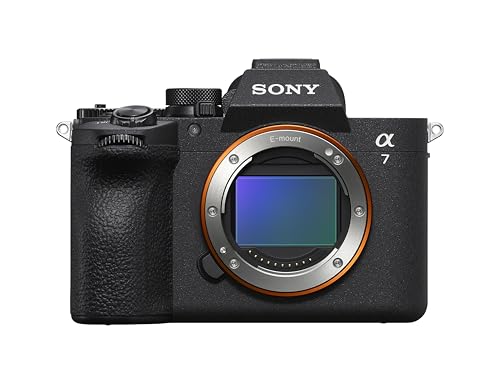
The Sony a7 V introduces advanced AI Real-time Recognition AF, Real-time Tracking, and a fast BIONZ XR2 engine. With a sensor and processing upgrade, it supports impressive dynamic range and color reproduction, plus 4K 120p video in certain modes. This option suits creators who demand cutting-edge autofocus performance and the flexibility to deliver high-impact videos with minimal post-processing. A limitation could be higher price and system complexity for new users. Choose this if you need top-tier autofocus, fast burst rates, and premium video features in a flagship body.
Canon EOS R8 Mirrorless Camera Body
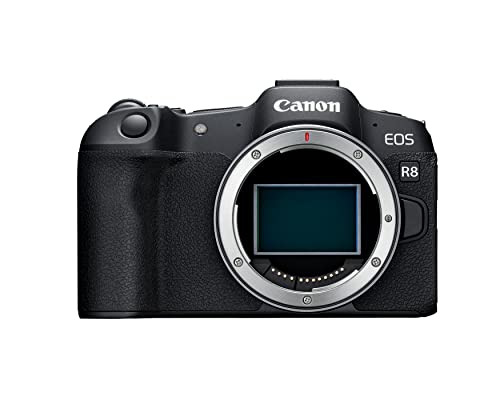
The Canon EOS R8 focuses on lightweight, adaptable full-frame performance for content creators. It features a 24.2MP CMOS sensor with the DIGIC X processor, a compact body with a bright electronic viewfinder, and Dual Pixel CMOS AF II with extensive subject detection. This model is best for photographers who want a small, efficient camera that still delivers strong autofocus and reliable color. A limitation is that some advanced autofocus or high-speed action scenarios may benefit from a higher-end body; consider pairing with a versatile RF lens lineup. Choose this if you prioritise portability without sacrificing full-frame image quality.
Buying Guide: Key Purchase Considerations
- Sensor and image quality: All five options deliver full-frame sensors; higher megapixel counts typically help cropping and detail in post, while lower counts can offer better low-light performance and noise control.
- Autofocus and subject detection: For action, wildlife, or fast sports, models with advanced AF and subject detection (like Dual Pixel CMOS AF II or Real-time Recognition) are advantageous.
- Video capabilities: If video is important, prioritize 4K recording, color depth (10-bit), and frame rates (60p or higher). Consider heat management for longer shoots.
- Portability and handling: Kit options with lighter bodies and compact lenses are ideal for travel and vlogging. Heavier bodies may offer more battery life and stabilization in run-and-gun work.
- System ecosystem: Lens availability, third-party support, and future expansion should influence your choice. Canon and Sony both offer broad lens ecosystems and accessories.
FAQ
- What is a full-frame camera?
A full-frame camera uses a sensor roughly the size of a 35mm film frame, delivering wide field of view and generally better low-light performance than smaller sensors.
- Which brand is best for beginner full-frame shooters?
Canon and Sony both offer beginner-friendly models with guided menus; choosing between them often comes down to lens availability and ergonomics you prefer.
- Do I need to buy a kit lens?
A kit lens, like the 24-105mm, provides versatility for a wide range of subjects and is a practical starting point for most new full-frame setups.
- Is 4K video necessary on a full-frame camera?
For creators who produce video, 4K with high color depth adds flexibility in post-production; stills-focused users may prioritize sensor quality and autofocus.
- How important is autofocus in a full-frame camera?
Autofocus performance is crucial for action, portraits, and video stabilization; models with advanced AF systems help maintain sharpness with moving subjects.