When choosing a foam sleeping pad, look for durability, weight, packability, insulation, and comfort. This guide highlights five foam pads that balance portability with support, helping campers sleep soundly on varied terrains. Ideal buyers include backpackers seeking lightweight gear, car campers needing roomier setups, and general campers looking for budget-friendly warmth and stability.
| Product | Best For | Notes |
|---|---|---|
| Therm-a-Rest Z Lite Original | Backpackers and hikers | Trusted classic, compact folding design |
| CYMULA CertiPUR-US Memory Foam Camping Mattress Pad | Car camping and guests | High-density memory foam with roll-up portability |
| CYMULA Camping Mattress Pad Sleeping Mat | Camping trips and sleepovers | Roll-up design with water-resistant bottom |
| fitply Ultralight Foam Sleeping Pad (Green) | Ultralight backpackers | Lightweight XPE foam with ergonomic nodes |
| Wakeman Outdoors Foam Sleeping Pad (Blue) | Wide cots and family camping | 0.75-inch thickness with non-slip surface |
Therm-a-Rest Z Lite Original Camping and Backpacking Sleeping Pad
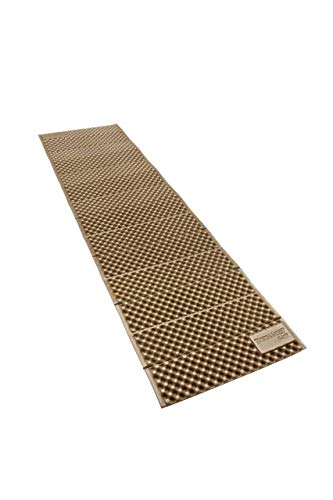
The Therm-a-Rest Z Lite Original is a lightweight, durable closed-cell foam pad. It folds accordion-style for compact packing and is a long-time favorite among mountaineers. Its design traps heat with dimples, adding warmth without bulk. Best for: backcountry travelers who need a compact, reliable pad and don’t mind a slightly thinner sleeping surface. Caution: not as plush as some memory-foam options, which may feel firmer for side sleepers.
CYMULA CertiPUR-US Memory Foam Camping Mattress Pad

CYMULA’s CertiPUR-US memory foam pad offers high-density foam that conforms to body shape, delivering noticeable pressure relief and enhanced comfort for longer sleep cycles. It comes with a carrying bag and straps for easy transport and features a non-slip waterproof bottom for varied terrain. Best for: campers who want a more luxurious, bed-like feel without sacrificing portability. Limitation: foam memory feel may compress in very cold conditions, requiring longer expansion time.
CYMULA Camping Mattress Pad Sleeping Mat
This CYMULA model emphasizes comfort with its memory-foam core and roll-up design. It includes a travel bag and straps for compact storage and transport, plus a non-slip, waterproof bottom suited for tent floors or vehicle interiors. Best for: sleepovers, car camping, and guests where a quick, cushioned setup matters. Caution: similar to the CertiPUR-US version, expect noticeable foam expansion time after unboxing in cooler environments.
fitply Ultralight Foam Sleeping Pad (Green)

This ultralight pad uses XPE foam and folds for compact storage. It weighs about 0.7 pounds and features raised nodes that improve back support. The combination of foam and a reflective aluminum layer adds warmth. Best for: minimalist hikers who prioritize packability and insulation efficiency. Caution: may feel firmer than thicker foam pads for side sleepers.
fitply Ultralight Foam Sleeping Pad (Blue)

Another color option from fitply preserves the same ultralight profile with ergonomic raised nodes and heat-reflective layers for warmth. Best for: travelers who want a consistent, compact sleeping solution with color choice. Caution: identical performance across colors means consider comfort texture more than hue in your selection.
Buying Guide
What should I prioritize in a foam sleeping pad?
Key priorities include weight, packability, insulation, and surface comfort. Closed-cell foam pads tend to be tougher and more water-resistant, while memory-foam variants offer softer support but may be bulkier. For cold conditions, look for pads with higher insulation or reflective layers to retain body heat.
How does thickness affect comfort and warmth?
Thicker pads generally provide more cushioning and warmth, but add weight and bulk. If you mainly car camp or have a large sleeping area, a thicker pad can improve comfort. For ultralight backpacking, a thinner pad with good insulation and a proper sleeping surface is often a better trade-off.
What about durability and surface traction?
Durability matters for ground-use pads. Closed-cell foam resists punctures and is easy to clean, while memory-foam cores offer better pressure distribution. A non-slip bottom helps prevent movement on uneven ground, improving sleep quality.
Which pad is best for different sleepers?
Side sleepers may prefer cushier foam or memory-foam pads; back sleepers often benefit from a flatter, stable surface; stomach sleepers should choose pads with moderate thickness to reduce hip pressure. Always consider personal comfort and typical sleeping positions.
How should I care for these pads?
Keep pads dry and clean; air out after use. Avoid sharp objects that could puncture foam. For memory-foam variants, follow packaging guidelines on expansion time after unpacking, especially in cooler environments.
How to compare these options quickly?
- Weight and pack size: ultralight options are best for hikers with long treks.
- Insulation: look for layers or reflective surfaces for cold nights.
- Surface feel: memory foam for comfort versus traditional foam for simplicity.
- Portability: consider carry bag, straps, and folded dimensions.
FAQ
Q: Are foam sleeping pads waterproof?
A: Many foam pads have water-resistant or waterproof surfaces, but it’s best to keep them dry and dry them after exposure to moisture.
Q: Do foam pads work on uneven ground?
A: Yes, many pads are designed with textured bottoms or nodal surfaces to adapt to irregular terrain.
Q: How do I know which thickness to pick?
A: Thicker pads offer more cushioning and warmth; thinner pads are lighter and more packable. Choose based on your comfort preference and travel style.
Q: Can foam pads replace a sleeping bag?
A: Foam pads provide insulation and cushioning, often serving as a base layer. They are typically used with a sleeping bag or quilt for full warmth.
Q: Do memory-foam pads off-gas or have odor?
A: Some memory-foam products may have a temporary odor after unboxing. Venting the pad in a well-ventilated area typically resolves this quickly.