Discover the best foam camping mats that balance comfort, weight, and portability for different camping styles. This guide helps backpackers, car campers, and family campers choose the right memory foam or foam-filled sleeping pad. Each product is evaluated for who it’s best for, potential limitations, and why it stands out. Use the buyer-focused comparisons to decide which pad fits your tent, backpack, or RV setup.
Summary of Selected Products
| Product | Best For | Highlights |
|---|---|---|
| Car campers, families, guests | High-density memory foam, roll-up design, waterproof non-slip bottom | |
| All sizes, budget-conscious | 72x24x0.75 in, lightweight with carrying strap | |
| Hikers needing compact storage | Ultra-light XPE foam, folding, good insulation | |
| Side sleepers, long trips | High-density core, pump sack for adjustable firmness | |
| Premium comfort seekers | 3.1 in thick, high-density memory foam, self-inflating |
CYMULA CertiPUR-US Memory Foam Camping Mattress Pad

The CYMULA foam camping pad uses high-density memory foam to conform to body shape and weight, delivering full cushioning and shock absorption. It is designed to feel closer to a bed-like rest than standard sleeping pads, making it a strong pick for campers who prioritize comfort over minimal weight. Best for car campers, guests, and family sleepovers where a comfortable, supportive surface is valued. A non-slip waterproof bottom helps stabilize the pad on rocky or damp surfaces, and it comes with a storage bag and straps for easy packing. Potential limitation: memory foam can be heavier than some foam options, and long dry-out times after wet conditions may be a concern for some setups.
Who it’s best for: Car campers, guests, and families who want a plush sleep surface and quick setup in tents, cabins, or floors. Choose this if you value comfort and stability over ultralight packing.
Why selected: It combines CertiPUR-US memory foam safety with practical portability features, providing a high level of rest for longer outings and sleepovers without inflating or complex assembly.
Wakeman Outdoors Foam Sleeping Pad
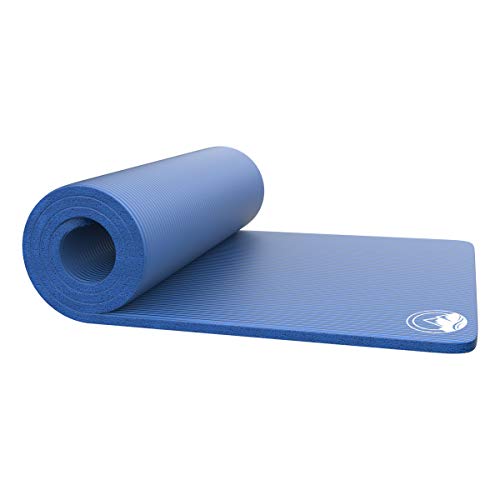
The Wakeman blue sleeping pad measures 72x24x0.75 inches, offering a roomy sleep surface that fits extra-wide cots and various tents. It weighs around 3 pounds and rolls to a compact size with a carrying strap for portability. The pad uses durable NBR foam with a non-slip texture, and its waterproof surface adds insulation from cold, damp ground. Best for: budget-conscious campers who still want a sturdy, comfortable pad that can be used across different environments. Limitation: the 0.75-inch profile might feel thinner for heavier sleepers or very uneven terrain depending on ground hardness.
Who it’s best for: Campers needing a longer, wider, and straightforward foam pad that’s easy to carry and store. Good for family trips and casual hiking where weight is a secondary concern.
Why selected: It balances comfort with portability and provides reliable insulation at a friendly price point, making it a versatile option for varied outdoor conditions.
Ultralight Foam Sleeping Pad by Fitply

This folding pad uses ultra-light XPE foam and weighs roughly 0.7 pounds per pack, with unfolded dimensions of about 70.8 by 23.6 inches and a slim folded size. It features an ergonomic design with raised nodes for additional back support and improved heat retention aided by a reflective aluminum film. Best for hikers and minimalist campers who prioritize packability and warmth. Limitation: folding/packing can be less intuitive for absolute beginners and may require extra care to avoid creases that affect comfort.
Who it’s best for: Lightweight hikers and backpackers who need compact storage and decent insulation without adding bulk. Choose this if you need a pad that nests with other gear and saves space in a small pack.
Why selected: Its high insulation and ergonomic node design provide comfort without sacrificing pack weight, making it a standout among ultralight foam options.
OGERY Foam Camping Mattress

The OGERY foam mat features a high-density solid foam core with a 1.6-inch thickness to provide strong support and minimize bottoming out. It uses a pump sack system for precise inflation and to prevent moisture or saliva from entering the foam. When laid flat, it measures 76.7 by 26.7 inches, offering ample sleeping surface for larger sleepers. Best for side sleepers and campers who want a stable, fully insulated surface with straightforward inflation. Limitation: some users may prefer lighter or thinner options for ultra-compact backpacking.
Who it’s best for: Side sleepers and campers who want customizable firmness and a wide sleeping area without bulky gear. Choose this if you value a robust, rock-solid surface and easy inflation control.
Wevelel Memory Foam Camping Mattress Pad

The Wevelel pad uses high-density memory foam with a density highlighted as 50D, delivering a plush feel and fine weight distribution. It measures 77 by 26.98 by 3.1 inches when inflated, offering a significant thickness to keep you elevated off the ground. It supports up to 800 pounds in testing and features fast self-inflation. The pad uses a self-inflating mechanism and a heavy-duty design for quick setup. Best for campers seeking hotel-like comfort on the trail. Limitation: higher thickness and density may add weight and bulk compared to thinner foam pads.
Who it’s best for: Campers who want near-premium comfort and easier inflation for longer trips or guest-use scenarios. Choose this if you prioritize a plush sleeping experience and robust build quality.
Buying Guide
What matters most when choosing a foam camping pad?
- Comfort vs. weight: Higher-density memory foam and thicker pads feel better but are heavier. Ultralight options trade some comfort for packing ease.
- Insulation and ground moisture: Look for moisture-resistant surfaces and, where possible, heat-reflective layers to stay warm on damp or cold ground.
- Size and compatibility: Ensure the pad fits your tent floor, cot, or sleeping area. Longer and wider dimensions accommodate most sleepers.
- Inflation method: Self-inflating, pump sacks, and simple folds each affect setup time and reliability in outdoor conditions.
- Durability and cleaning: Closed-cell or high-density foams resist punctures and are easier to clean than several fabric-covered options.
How do foam sleeping pads compare to air or hybrid options?
Foam pads generally offer better durability and stability on rough terrain, with no risk of punctures. They’re often lighter or similarly weighted when considering packing volume, and they dry quickly after exposure to moisture. Air pads can be lighter and more compact but may require a pump and risk leaks. Hybrid mats blend foam with air chambers to balance comfort and packability, but may be more complex to inflate and maintain.
What should buyers verify before purchasing?
- Certifications for materials (e.g., CertiPUR-US) to ensure safety and lower emissions.
- Maximum load rating or tested weight tolerance, especially for thicker memory-foam pads.
- Included accessories like bags, straps, or pump sacks to streamline packing.
- Warranty or return policy in case the pad doesn’t meet comfort expectations.
Short FAQ
- Q: Are foam camping mats good for dense ground? A: Yes, they provide stable support and insulation on uneven surfaces.
- Q: Can memory foam pads be washed? A: Cleaning should follow the manufacturer’s guidance; many require surface cleaning rather than full immersion.
- Q: Do foam pads compress easily for packing? A: Some fold or roll compactly, especially ultralight designs, while thicker memory foam may be bulkier.
- Q: Which pad is best for side sleepers? A: Higher-density memory foam pads with extra thickness offer better contouring for side sleepers.
- Q: How do I store foam pads to prolong life? A: Store rolled or loosely folded in a dry, well-ventilated area away from direct sunlight.