Answering your search for floor standing speakers, this guide highlights five strong options across budgets and listening goals. These picks are best for audience types like home theater lovers, stereo enthusiasts, or casual listeners upgrading from bookshelf models. Read on to compare performance, design, and where each option fits best in a living room, media room, or home office. Below is a quick summary table to help you compare key details at a glance.
| Product | Best For | Key Benefit |
|---|---|---|
| Polk Audio T50 | Balanced home cinema | Deep, even bass with dual bass radiators |
| Klipsch Reference R-26FA | Dolby Atmos setups | Integrated elevation for three-dimensional sound |
| Polk Audio Monitor XT60 | Hi-Res, versatile listening | Hi-Res compatible with modern streaming |
| Klipsch Reference R-610F | Classic floorstanding performance | Clear highs and dynamic room-filling sound |
| Dayton Audio Classic T65 | Budget-friendly room-filling sound | Large cabinet for strong bass at a lower price |
Polk Audio T50 Home Theater Floor Standing Tower Speaker

The Polk Audio T50 is a full-range floorstanding speaker designed to deliver a warm, room-filling sound with a three-driver configuration. It features a 1″ tweeter, a 6.5″ Dynamic Balance woofer, and dual 6.5″ bass radiators to extend the low end without boominess. This setup aims for cinematic highs and solid mids, making it a strong candidate for a budget-friendly home theater or music system. Best for: users building a balanced, bold sound in medium to large rooms who want theater-grade bass without a subwoofer. Limitation: the bass may be less controlled in very small rooms without proper toe-in or room treatment.
Klipsch Reference R-26FA Floorstanding Speaker

The Klipsch R-26FA pairs floorstanding design with an integrated elevation speaker to support Dolby Atmos for three-dimensional sound. It uses a 1″ aluminum diaphragm compression driver and a 90° x 90° Tractrix horn for crisp highs and wide ambiance. With 100W continuous and 400W peak handling, it can energize a medium-to-large room. Best for: home theater setups seeking immersive height channels and detailed treble without a separate ceiling speaker. Caution: best results require an appropriate AVR and proper calibration for Atmos effects.
Polk Audio Monitor XT60 Home Theater Tower Speaker
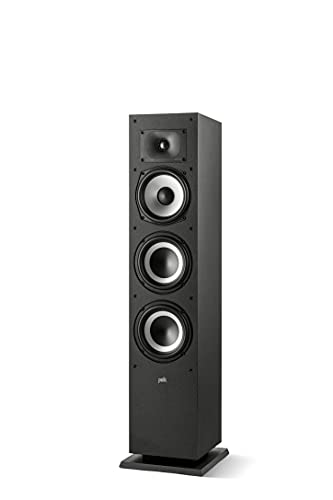
The Polk Monitor XT60 offers a high-efficiency tower with a 1″ tweeter, a 6.5″ Dynamically Balanced woofer, and two 6.5″ passive radiators. It delivers a clean midrange and expansive bass with Hi-Res Audio compatibility for modern streaming formats. Best for: listeners wanting versatile performance across movies, TV, and music with a modern aesthetic. Limitation: higher price than basic towers, but with features that justify it in larger rooms or multi-channel setups.
Klipsch Reference R-610F Floorstanding Speaker
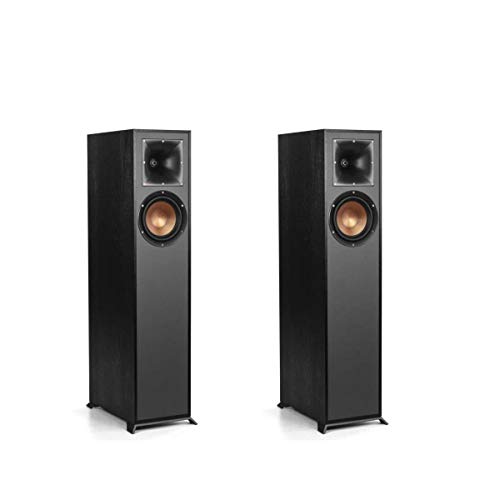
The Klipsch R-610F is a traditional floorstanding option with 85W continuous and 340W peak power handling, designed to deliver dynamic, clear sound across a broad range. Its 45Hz–21kHz response helps reproduce both deep bass and crisp highs, making it suitable for cinema-like playback and music. Best for: buyers who want robust, room-filling performance without a dedicated dedicated Atmos module. Caution: placement and room acoustics significantly influence perceived bass tightness.
Dayton Audio Classic T65 Floor-Standing Tower Speaker

The Dayton Audio Classic T65 is a full-size tower designed for big sound in a budget-friendly package. It features dual 6.5″ bass drivers and a 1″ silk dome tweeter for a balanced frequency range from 40Hz to 21kHz. Best for: budget-conscious buyers who still want impactful bass and clear highs for movies and music. Limitation: build materials and finishing may be simpler than premium brands, which can impact long-term aesthetics in high-visibility spaces.
Buying Guide: Key Purchase Considerations
- Room size and seating layout: Choose towers with sufficient bass extension for the room without excessive boominess. Larger rooms pair well with models offering dual radiators or multiple drivers.
- Speaker placement: Floorstanding speakers benefit from toe-in and a few feet of clearance from walls to optimize imaging and reduce bass reflections.
- AVR compatibility: For Atmos-capable models (like the R-26FA), ensure your receiver supports surround and height channels and is properly calibrated.
- Sound signature: If you prefer bright, detailed highs, look for aluminum or titanium tweeters and wide horn loading. For a warmer presentation, silk domes and larger bass radiators help.
- Hi-Res and streaming: If high-resolution audio and streaming formats matter, prioritize models with Hi-Res compatibility and robust digital signal paths.
- Build and aesthetics: Consider cabinet materials and finishes that align with room decor, as well as grille design for an unobtrusive look.
Frequently Asked Questions
- What is the main difference between floorstanding and bookshelf speakers? Floorstanding models typically offer deeper bass, higher SPL capability, and wider frequency response due to larger cabinets and multiple drivers.
- Do I need a subwoofer with floorstanding speakers? It depends on room size and desired bass impact. Some floorstanding models provide adequate bass, while others pair well with a sub for cinema-like effects.
- Can floorstanding speakers be used for music listening? Yes. Many are designed to excel in both music and home theater roles, delivering clear mids and engaging highs.
- Are Atmos-enabled floorstanding speakers worth it? Atmos-enabled floorstanding options add height-channel performance when paired with a compatible AVR, creating a more enveloping soundstage for movies.
- How important is room acoustics for these speakers? Very important. Floorstanding speakers respond to room reflections and boundaries; proper placement and treatment improve imaging and bass control.
- What should I consider when choosing between these five? Prioritize room size, desired sound signature, and whether you want Atmos or Hi-Res features. The Polk and Klipsch models cover different priorities, from Atmos to Hi-Res playback to budget-friendly bass.