Looking for a reliable fitness watch to boost your running performance? This guide focuses on models that excel in GPS accuracy, heart-rate tracking, and pace coaching. It highlights options for beginners, casual runners, and performance-focused athletes. Each pick includes who it’s best for and why it stands out, with practical trade-offs explained.
| Product | Best For | Why It Stands Out |
|---|---|---|
| Fitbit Inspire 3 Health & Fitness Tracker | Everyday runners seeking motivation and sleep insights | Daily Readiness Score, 24/7 heart rate, and automatic activity tracking |
| LIVIKEY Fitness Tracker Watch | Budget-conscious wearers needing all-day tracking | Comprehensive health metrics with long battery-friendly use |
| Bestinn Smart Watch Fitness Tracker | Feature-rich option with large display | Extensive health monitoring and 120+ exercise modes |
| Garmin Forerunner 55 | Runners who want GPS + daily workouts | GPS pace, long battery life, and PacePro guidance |
| Garmin Forerunner 165 | Serious runners needing advanced coaching | AMOLED display, recovery insights, adaptive training plans |
Fitbit Inspire 3 Health & Fitness Tracker
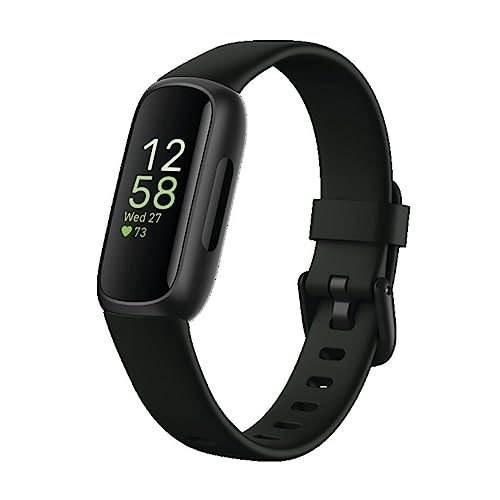
The Fitbit Inspire 3 targets runners who want a lightweight, discreet device with strong daily activity tracking and stress management features. It supports more than 40 exercise modes, automatic exercise tracking, and reminders to move. Best for beginners and casual runners who value a simple, unobtrusive companion that still adds actionable data to everyday training.
Best for: runners who want continuous health metrics without bulk. Why chosen: its Daily Readiness Score and 24/7 heart rate provide a steady stream of motivation and context for training quality. Caution: sleep and stress data can be influenced by movement and environment; interpret insights as guidance, not diagnosis.
LIVIKEY Fitness Tracker Watch

This watch suits runners who want a budget-friendly option with solid core features. It provides heart rate monitoring, sleep analysis, and multiple sport modes, plus step counting and calories burned. It’s ideal for everyday runners who want a broad feature set without premium pricing.
Best for: budget-minded runners who still require comprehensive health data. Why chosen: it covers daily activity, sleep quality, and goal setting in one device. Limitation: it cannot make calls or texts from the watch itself, which may affect notification behavior during runs.
Bestinn Smart Watch Fitness Tracker

This model is well-suited for runners who want a feature-rich display and robust health monitoring. It offers 24/7 heart rate, blood pressure, and blood oxygen monitoring, plus more than 120 exercise modes for diverse training. The big AMOLED-like display is designed for quick glances during workouts.
Best for: runners who value detailed health metrics and a vivid display. Why chosen: the breadth of exercise modes supports varied training plans. Caution: blood pressure readings on wearables should be interpreted cautiously and not used as a medical diagnosis.
Garmin Forerunner 55

The Forerunner 55 is a solid pick for runners who want reliable GPS pacing and a long battery life. Its PacePro feature offers GPS-based pace guidance for a chosen course, helping runners manage race-day strategy. It’s best for those who want a straightforward, dependable running companion.
Best for: runners who need practical coaching and long battery life. Why chosen: the combination of GPS pace, two-week battery life in smartwatch mode, and simple daily workouts makes it a versatile training partner. Caution: not a medical device for heart-rate interpretation; use as fitness data only.
Garmin Forerunner 165

The Forerunner 165 is aimed at runners who want advanced coaching and recovery insights. It features a bright AMOLED display and supports personalized daily workouts that adapt to performance and recovery. This makes it suitable for more serious training plans and race preparation.
Best for: runners pursuing advanced coaching and adaptive training. Why chosen: it blends a high-quality display with recovery-focused metrics and Garmin Coach plans. Caution: higher feature richness can mean a steeper learning curve for new users.
Buying Guide
- GPS accuracy and battery life: For distance tracking and pace, a reliable GPS is essential. Look for models offering at least 7–14 days in smartwatch mode for casual use or 20 hours+ in GPS mode for long runs or triathlons.
- Heart-rate and health metrics: Continuous heart-rate monitoring provides insights into effort, recovery, and training zones. Some watches add SpO2, sleep stages, or stress indicators; decide which metrics matter for your goals.
- Coaching features: Daily suggested workouts, PacePro, and adaptive training plans help structure training. Runners training for events may prefer models with Garmin Coach or similar programs.
- Display and usability: AMOLED displays are vibrant but can consume more battery. Larger screens are easier to read during runs, especially with gloves or wet conditions.
- Sport modes and activity tracking: More than 100 workout profiles are useful if you cross-train. Ensure vital modes (running, cycling, walking) are included and easy to access.
- Notifications and connectivity: If you rely on calls or texts, ensure your watch supports on-wrist alerts and compatible pairing with your smartphone.
- Durability and water resistance: IP68 or higher ratings protect against sweat and rain. Check for comfortable bands and optional quick-release bands for different activities.
- Budget and value: Decide between essential tracking and premium coaching. Some watches offer extensive metrics without premium price tags.
FAQ
- What’s the best running watch for beginners? A lightweight model with reliable GPS and automatic activity tracking is ideal. Look for simple interfaces and long battery life for extended training without frequent charging.
- Do these watches measure pace accurately? Most offer accurate pace using GPS, but performance can vary with terrain, GPS signal, and watch firmware. Always enable GPS for precise pace data.
- Is AMOLED display worth it for runners? AMOLED provides vivid visuals but may consume more battery. If you train long hours, prioritize battery life; otherwise, a clear display suffices.
- Can these watches monitor recovery? Some models provide recovery estimates and adaptive workouts. Check if your chosen model supports Garmin Coach or similar plans.
- Are wrist-based heart-rate readings reliable? They offer useful trends for training and recovery but are not medical devices. For medical concerns, consult a professional and rely on clinical equipment.
- Do these watches support iPhone and Android? Most listed models support both platforms, but some features may function best on one ecosystem. Verify compatibility with your phone before purchase.