Answering the search for a digital film camera means finding devices that blend retro design with modern digital convenience. These five selections emphasize screen-free or film-inspired interfaces, lightweight designs, and reliable storage. They are best for travelers, crafters of candid moments, and DIY photography enthusiasts who want a tactile, distraction-free shooting experience without sacrificing digital convenience.
Buyer’s guide at a glance:
| Product | Best For | Key Benefit |
|---|---|---|
| Maxmango D53 Vintage Digital Camera – Green | Retro lovers and travel light users | Screenless simplicity with 8GB storage |
| Voxcamy Screen-Free Digital Camera | Kids and family outings | 3,000+ shots per charge with USB-C OTG |
| KLIK Screen-Free Digital Camera | Travelers and event-goers | 8MP, 500-shot capacity, preset film filters |
| Lensy Screen Free Digital Camera | Lightweight retro experience | Four built-in filters, retro look |
| KODAK PIXPRO FZ55 | Everyday photography with zoom | 16MP sensor and 5x optical zoom |
Maxmango D53 Vintage Digital Camera – Green

The Maxmango D53 offers a retro, screenless shooting experience with 12MP image quality. This model appeals to photographers who want to minimize post-shot decisions and focus on capturing moments naturally. Best for travelers, social events, and casual shooters who prefer a tactile camera without a viewfinder or digital preview.
- Retro Screenless Design reduces shooting anxiety and constant review.
- Ultra-lightweight with 8GB built-in storage for extended shoots.
- Filter customization via TF card and USB-C connection; single-filter-at-a-time workflow.
Best for: people who enjoy a simple, film-like workflow and want portability without sacrificing digital storage. Caution: only one filter can be active while shooting, requiring planful filter choices before each session.
Voxcamy Screen-Free Digital Camera

This screen-free design is tailored for summer camps, trips, and candid gatherings. It functions as a reusable alternative to disposable cameras with a practical 3,000+ shots per charge and an included 8GB microSD card. The USB-C OTG adapter enables quick photo transfers to phones for sharing or backup.
- Best for: kids, families, and travelers who want a simple, reliable photographic tool.
- Better for: preserving spontaneous moments without screen distractions.
- Limitation: needs USB-C OTG for direct transfer and a plan for ongoing recharges during extended trips.
KLIK Screen-Free Digital Camera
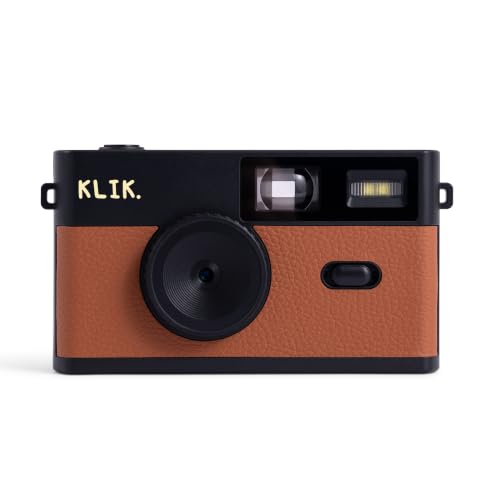
KLIK’s screen-free model is designed for real moments. It pairs 8MP resolution with up to 500 shots per charge, offering a simple fixed-focus lens, LED flash, and three preset film-look filters. It is ideal for travelers, families, and anyone seeking a distraction-free point-and-shoot.
- Best for: capturing candid moments without continuous review.
- Better for: short trips, events, and everyday adventures.
- Caution: limited to fixed focus and a small number of built-in filters for editing later.
Lensy Screen Free Digital Camera

Lensy emphasizes a nostalgic retro film-style with four built-in filters and a lightweight build. The toggle on/off and included wrist strap make it a straightforward choice for travelers who want a compact, retro-feel camera that’s easy to operate and carry.
- Best for: users who want a tactile, retro aesthetic without screen-based previews.
- Better for: quick snapshots where editing is saved for later.
- Limitation: fewer shooting controls than more advanced digital cameras.
KODAK PIXPRO FZ55 16MP Compact Digital Camera

The KODAK PIXPRO FZ55 delivers a more conventional digital experience with 16MP resolution and 5x optical zoom. This model is best for users who want a compact camera capable of flexible framing in various settings, including indoor and outdoor environments.
- Best for: everyday photography with reliable zoom and detail.
- Better for: users who want an optically zoomed option without a large body.
- Limitation: film-like features are not primary; it’s a standard digital point-and-shoot.
Buying Guide: Key Purchase Considerations
What matters most when choosing a digital film camera?
Consider screen presence, storage, and battery life. Screen-free designs reduce post-shot checks, but you’ll rely on memory or external devices to review images later. Storage capacity and transfer options determine how long you can shoot between backups.
Which design suits my usage?
Screen-free models are ideal for travel, events, and kids, where distraction-free shooting helps. Screened or traditional digital cameras serve better for learning composition and reviewing shots on the fly.
How important are filters and creative controls?
Look for built-in filters or easy ways to apply filters via app or USB connections. Filtration can simulate film looks, but the number of filters and when you can apply them matters for on-the-spot creativity.
What about portability and durability?
Ultralight, compact bodies are easier to carry on trips, but they may sacrifice grip and handling. A wrist strap or robust casing improves practicality for outdoor use.
Transfer and sharing considerations
USB-C OTG compatibility and molting between microSD cards help you save and share photos quickly. If you frequently back up to a phone or cloud, ensure your camera supports straightforward transfer workflows.
How to compare these options quickly?
Use a side-by-side check: resolution, storage, transfer method, and whether the camera is screen-free or with a display. Narrowing by use-case (travel, family events, learning photography) helps identify the best fit faster.
Frequently Asked Questions
- What is a screen-free digital camera good for?
It minimizes distraction and helps shooters stay present, making it ideal for travel, events, and candid moments.
- Do screen-free cameras have image review later?
Yes, you typically review shots on a computer or phone after transferring files.
- Can I reuse a screen-free camera for many shoots?
Yes, many models support thousands of shots per charge with replaceable or extendable storage.
- Is a higher megapixel count always better for film-style shooting?
Not necessarily; for retro or film-look purposes, other factors like filters and dynamic range can matter more than megapixels.
- What should I consider for kids using these cameras?
Durability, simple controls, and automatic transfer options are key to a positive experience.
- Are these cameras good for beginners?
Yes, especially screen-free models or beginner-friendly presets that reduce the need for post-processing.