Deep conditioning treatments target dry, damaged, or color-treated hair by delivering intense moisture, detangling power, and frizz control. This guide highlights five top options, each suited to different hair needs—from hydration and repair to color protection and revitalized texture. Ideal buyers: those seeking intense hydration, those with heat- or chemically-treated hair, and those needing easier styling and manageability.
Summary table of chosen products
| Product | Brand | Best For | Key Benefit |
|---|---|---|---|
| MAREE Deep Conditioning Hair Mask | MAREE | Dry, damaged, color-treated hair | Keratin, biotin and coconut oil for smoothing and hydration |
| Shea Moisture Intensive Hydration Masque | Shea Moisture | Curlier, moisture-thirsty hair | Organic shea butter, honey and Mafura oils for deep moisture |
| Moroccanoil Intense Hydrating Mask | Moroccanoil | Medium to thick dry hair | Argan oil for shine, elasticity, and manageability |
| Biolage Hydra Source Deep Treatment Mask | Biolage | Dry, color-treated hair | Aloe vera and hyaluronic acid for moisture and softness |
| Karseell Collagen Hair Mask | Karseell | All hair types with frizz or damage | Collagen, coconut oil and argan oil for conditioner finish |
MAREE Deep Conditioning Hair Mask for Damaged Hair

Best for: dry, damaged, or color-treated hair needing smoothness and hydration. This keratin-based mask combines keratin, biotin, and coconut oil to reduce frizz and help with detangling. It aims to support softer hair with improved manageability after treatment.
Why selected: It emphasizes a hydrating formula with added collagen-related ingredients to improve texture without heavy buildup. This makes it suitable for heat-damaged strands or color-treated hair seeking conditioning without weighing hair down.
Caution/limitation: Results may vary by hair type and application method, so adjust usage to avoid residue if hair is very fine.
Arvazallia Hydrating Argan Oil Hair Mask

Best for: dry, damaged hair needing deep hydration and elasticity. Enriched with argan oil to nourish hair with essential vitamins and nutrients for softness and shine.
Why selected: It focuses on restoring texture and elasticity, making it a practical option for overprocessed strands. It’s a good match for users who want a repair-focused mask with natural nourishment.
Caution/limitation: May be heavier for very fine hair; use half the recommended amount if needed to avoid heaviness.
Shea Moisture Intensive Hydration Hair Masque

Best for: curly or highly thirsty hair needing a plant-based moisture boost. This masque blends certified organic shea butter with honey, Mafura and Baobab oils, along with antioxidant-rich African Rock Fig.
Why selected: The formula is designed to restore moisture depth, reduce frizz, and fortify hair enough to handle color-treated or over-processed strands while offering a natural ingredient lineup.
Caution/limitation: Intense conditioning can feel heavier for fine or thin hair types; consider using on ends or less frequently if buildup occurs.
Kitsch Moisturizing Coconut Oil Hair Mask
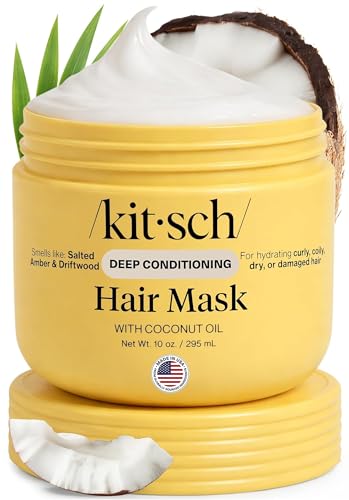
Best for: dry or frizz-prone hair requiring intense moisture and smoothness. Coconut oil supplies deep hydration and helps reduce protein loss, improving strand strength.
Why selected: It doubles as a frizz-control product while delivering a strong moisture boost, making it a reliable daily or weekly conditioner for diverse hair types.
Caution/limitation: Heavy oiliness can occur on very fine hair; apply mainly to mid-lengths and ends.
Moroccanoil Intense Hydrating Mask
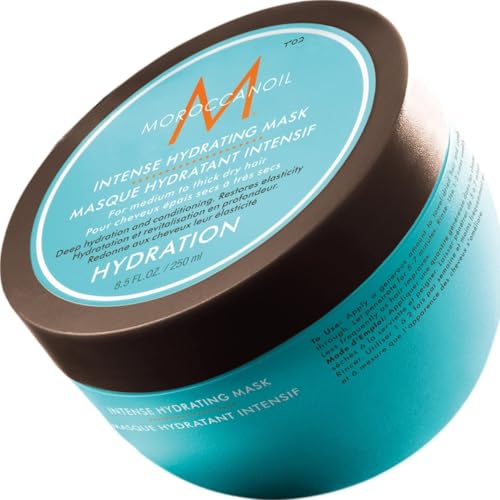
Best for: medium to thick dry hair needing deep conditioning and shine. It uses argan oil to improve texture, elasticity, and manageability.
Why selected: A five-minute mask provides quick conditioning with a focus on moisture retention, suitable for busy routines that still demand salon-like hydration.
Caution/limitation: Packaging may vary; some users may prefer longer conditioning for very dry hair.
L’Oreal Paris Elvive Total Repair 5

Best for: hair requiring fortification against future damage with a lightweight feel. It uses repair concentrates with protein to strengthen hair fiber.
Why selected: This option is a practical, widely available choice for daily use, offering a balance of moisture and reconstructive benefits without heaviness.
Caution/limitation: Formula variations may occur; some users may experience different scent profiles or texture depending on batch.
Buying Guide: Key Considerations For Deep Conditioning Treatments
- Hair type and needs: Choose a mask based on moisture level, porosity, and whether you color-treat or heat-style hair. Dry, thick, or curly hair tends to benefit from richer formulations; fine hair may prefer lighter masks.
- Primary hydration vs. repair focus: Hydration-heavy masks restore moisture, while repair-focused options address protein loss and elasticity. Some blends offer both benefits.
- Active ingredients to watch: Look for argan or coconut oil for moisture; shea butter and Mafura oils for nourishment; keratin or collagen for strength; hyaluronic acid for moisture retention in certain formulas.
- Usage frequency and duration: Some masks require 5 minutes, others 10–20 minutes. Consider your weekly routine and scalp sensitivity when determining frequency.
- Allergen and sensitivity awareness: Natural oils and plant extracts can trigger sensitivity. Check ingredient lists if you have allergies or sensitive skin on the scalp.
Who should consider these products
- People with dry or damaged hair seeking moisture restoration and softness.
- Color-treated or chemically-treated hair needing frizz control and improved manageability.
- Curly or textured hair requiring enhanced hydration without weighing hair down.
- Those wanting a quick-conditioning option for busy schedules.
FAQ
- Q: How often should I use a deep conditioning mask? A: Most hair types benefit from 1–2 times per week, though very dry hair may require more frequent use according to product directions.
- Q: Can I mix masks for enhanced results? A: Mixing is generally not necessary; choose a mask that best fits your needs. If experimenting, test on a small strand first.
- Q: Do masks work on color-treated hair? A: Yes, many masks are formulated to support moisture and color retention. Look for products that mention color protection or color-treated suitability.
- Q: Should I apply a mask to the scalp? A: Most masks are designed for lengths and ends; apply away from the scalp unless the product specifies scalp use.
- Q: Can masks replace conditioner? A: Deep conditioning masks supplement conditioner by delivering intensified moisture and repair; you may still use a regular conditioner afterward if needed.
- Q: Are these products safe for fine hair? A: Some masks are heavier and may weigh down fine hair. Start with smaller amounts and lighter formulas to test for buildup.